
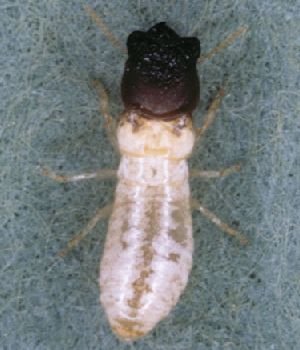
Termites damage more Australian homes each year than fire, storm and flood combined, and home insurance almost never covers it. The reliable approach is a timber pest inspection every twelve months, from $159, followed by a barrier or baiting program if activity is found. Never spray or break open a live termite trail - it scatters the colony.
- What you are actually dealing with
- Signs worth acting on
- Why this property and not the one next door
- What is actually at stake
- What you are paying for
- How the appointment runs
- How to prepare for the visit
- Common missteps
- Myths worth dropping
- The guarantee, in plain terms
- Prevention that actually works
- Frequently asked questions
What you are actually dealing with
Most of the cost in dealing with termites comes from doing it twice. Getting the identification and the source right the first time is what makes the difference between one treatment and a recurring expense.
That is why an inspection comes before any product. It establishes the species, how far the population has spread, and which conditions on the property are sustaining it.
Key points
- A fixed quote should come before any work starts.
- Fix the conditions - moisture, food, entry points - or it returns.
- Identify the species before treating - the right product depends on it.
- Treat the source, not the sightings: the nest or harbourage is the target.
How that is done in practice is covered under how termite control works.
Signs worth acting on
Before numbers become obvious there is almost always a quieter stage. What to look for:
- Mud packing visible in the weep holes along an external brick course.
- Thin mud veneer filling cracks in skirtings, architraves or door frames.
- Small piles of discarded wings on windowsills after a warm, humid evening.
- A faint musty, earthy smell in a closed room or subfloor.
- Floorboards that feel spongy underfoot, particularly near wet areas.
If more than one of those applies, treat it as confirmed rather than possible. Disturbing the area first makes identification harder.
This is the sort of thing a full timber pest report is designed to catch before it becomes a repair bill.
Why this property and not the one next door
Treatment deals with the population; this list is what decides whether it comes back. The usual contributors:
- An untreated or breached physical barrier on an older Sydney build.
- A hot-water overflow or air-conditioning condensate discharging beside the footing.
- Subfloor moisture from a leaking pipe, a failed shower base or poor drainage.
- Tree stumps and buried form-work left on the block after construction.
- Dense planting and irrigation holding damp soil hard against the brickwork.
None of that requires a trade - it is mostly maintenance - but it is the part that determines whether you call us again.
What is actually at stake
The financial exposure with termites is unusual because it sits outside your insurance. Repair bills on Sydney homes routinely run into tens of thousands, and the work is structural rather than cosmetic. Activity found at inspection is a manageable job; activity found when a floor flexes is a building repair with a pest treatment attached.
None of that is scaremongering - it is simply the reason the price goes up the longer it is left.
Because the early signs are so easy to miss, an annual termite inspection every twelve months is the standard advice for Sydney homes.
What you are paying for
The work is more methodical than most people expect, and very little of it involves a spray wand. The sequence:
- Inspect and identify. Work out the species and find where the population actually sits - usually not where it was seen.
- Treat the source. Use the method the species responds to, placed where the population lives rather than where it was seen.
- Allow the method to run. Expect a timeline rather than an instant result, and avoid adding anything of your own in the meantime.
- Close the conditions. Proofing and maintenance advice specific to your building, which is the part that prevents a repeat.
Every Elite Pest treatment is carried out by a licensed, insured technician and general pest work carries a 6-month warranty.
The method itself, product by product, is explained on our page about professional termite control.
How the appointment runs
There is not much mystery to it, and most of it is quicker than people expect:
- First look. The technician inspects inside and out, confirms the species and shows you what they have found before anything is applied.
- Price confirmed. No work starts until you have agreed the price and know what it covers.
- The work itself. Most general treatments take 45 to 90 minutes depending on the property size and how much access is involved.
- What you are told. A clear explanation of what happens next, so an increase in activity a few days later does not alarm you.
Expect a short increase in sightings after a bait treatment. It means the bait is being carried, which is the point.
How to prepare for the visit
A little preparation makes a measurable difference to the result, and none of it takes long:
- Cover or move fish tanks and turn off their air pumps.
- Clear access to kickboards, under sinks and around appliances.
- Vacuum carpets and hard floors, then empty the vacuum outside.
- Clear a path to the roof void or subfloor access if there is one.
- Arrange for pets to be out of the way for a couple of hours.
Avoid washing down treated areas for at least a week, and resist adding your own spray on top.
Common missteps
These come up often enough to be worth listing. Each one either prolongs the problem or makes it harder to treat:
- Breaking open mud tubing to look inside before a technician has assessed it.
- Treating visible damage as the extent of it, when the nest may be metres away.
- Relying on a hardware store product against a colony of hundreds of thousands.
- Spraying or disturbing a live termite trail, which scatters the colony and hides the problem.
Mentioning what you have already applied saves time and avoids a product conflict.
Myths worth dropping
Worth clearing up, because acting on these makes the problem harder:
- Insurance will cover it. Standard home insurance excludes termite damage. That is the main reason inspections matter.
- You would see them. Termites work inside timber and inside mud tubes. Most owners see damage long before they see an insect.
- One treatment lasts forever. Barriers and baiting systems have a service life and need monitoring. An old treatment is not current protection.
- A spray from the hardware store will do. Surface products kill the few termites they touch and leave a colony of hundreds of thousands intact.
If you are not certain which pest you are dealing with, the full range of treatments we carry out lists what we treat and the signs that point to each.
The guarantee, in plain terms
The warranty on general pest work runs six months. Covered pests returning in that time are re-treated free - no argument, no second call-out fee.
The exclusions are the ordinary ones - a new pest is a new job, and a recurrence traced to an unfixed cause sits outside the cover. Termite barriers and baiting programs have their own longer warranties, conditional on annual monitoring.
You should receive the terms with your paperwork on the day rather than having to request them.
If this is the second or third time you have dealt with it, an ongoing residential service costs less over a year than repeated call-outs.
Prevention that actually works
Treatment resets the problem. Prevention is what keeps it solved, and most of it is maintenance rather than pest control:
- Fix leaking taps, overflows and air-conditioning condensate promptly.
- Keep subfloor vents clear so air moves under the building.
- Keep soil, mulch and garden beds clear of the slab edge and weep holes.
- Direct downpipes and surface water well away from the footings.
- Store firewood and timber off the ground and away from the house.
You will not do all of those, and you do not need to. Pick the two or three that apply most to your place.
Most of the homes we look after are on a scheduled home service rather than calling when something appears.
Frequently asked questions
What do you charge for termites in Sydney?
General pest treatments start from $89 and timber pest inspections from $159. Termite treatments and barriers are quoted after an inspection because the price depends on the construction and the extent of the activity. You get a fixed figure before any work begins.
How often should I have a termite inspection?
Every twelve months, and that is the minimum rather than a precaution. A colony can work inside timber for months without any visible sign, and insurance will not cover the repair, so the inspection is the only point at which this is inexpensive.
Who pays in a rental or strata building?
In a tenancy it usually depends on whether the problem existed at the start of the lease and on the terms of the agreement - raise it with the agent in writing either way. In a strata building, anything in common property such as risers, voids and bin rooms is the owners corporation's responsibility.
What attracts termites to a house?
Food, water and shelter, in roughly that order. In most Sydney homes it comes down to accessible food or bins, a moisture source such as a leak or blocked gutter, and a gap big enough to get through. Remove any one of the three and the property gets much less attractive.
Do we need to leave the house during treatment?
It is safe when applied correctly, which is most of what a licence is for. Baits and dusts go where children and pets do not reach, fish tanks are covered and pet bowls moved. For general treatments you do not need to leave the property.
What happens if they come back?
General pest treatments carry a 6-month warranty. If covered pests return within that period we re-treat at no charge. The terms go on your invoice, so there is no ambiguity about what was covered.
What qualifications do your technicians hold?
Licensed and insured, and happy to show either. If you are comparing quotes, ask each company for the licence number of the person actually attending rather than just the business name.
How quickly can you come out to Sydney?
Most bookings in Sydney are filled within 48 hours. Urgent situations are prioritised, and we will tell you honestly if yours is not urgent rather than selling you a priority visit.
Get a fixed price on termites
We treat termites across 650+ suburbs of Sydney. Fixed quote up front, licensed and insured technicians, child and pet-safe application, and general treatments backed for six months.