★ 5.0 · Google Reviews Same-Day & 24/7 Emergency Service Pet & Child Safe Treatments Licensed & Insured · 6-Month Warranty 380+ Sydney Suburbs
PROFESSIONAL MOSQUITO CONTROL

Mosquito Control Sydney

Backyard mosquito treatment for Sydney homes, childcare centres and venues: breeding sites removed or treated and resting areas misted, from $119.

From $119 Breeding Sites Treated Yard Misting
GOOGLE REVIEWS

Trusted by Sydney Homes & Businesses

Real, verified feedback from people we've helped — straight from Google.

5.0
Verified Google reviews
Before-Event Treatments Pond & Pet Aware Licensed & Insured 5.0 Google Rating Written Quote & Terms
OVERVIEW

Mosquito Control for Sydney Backyards

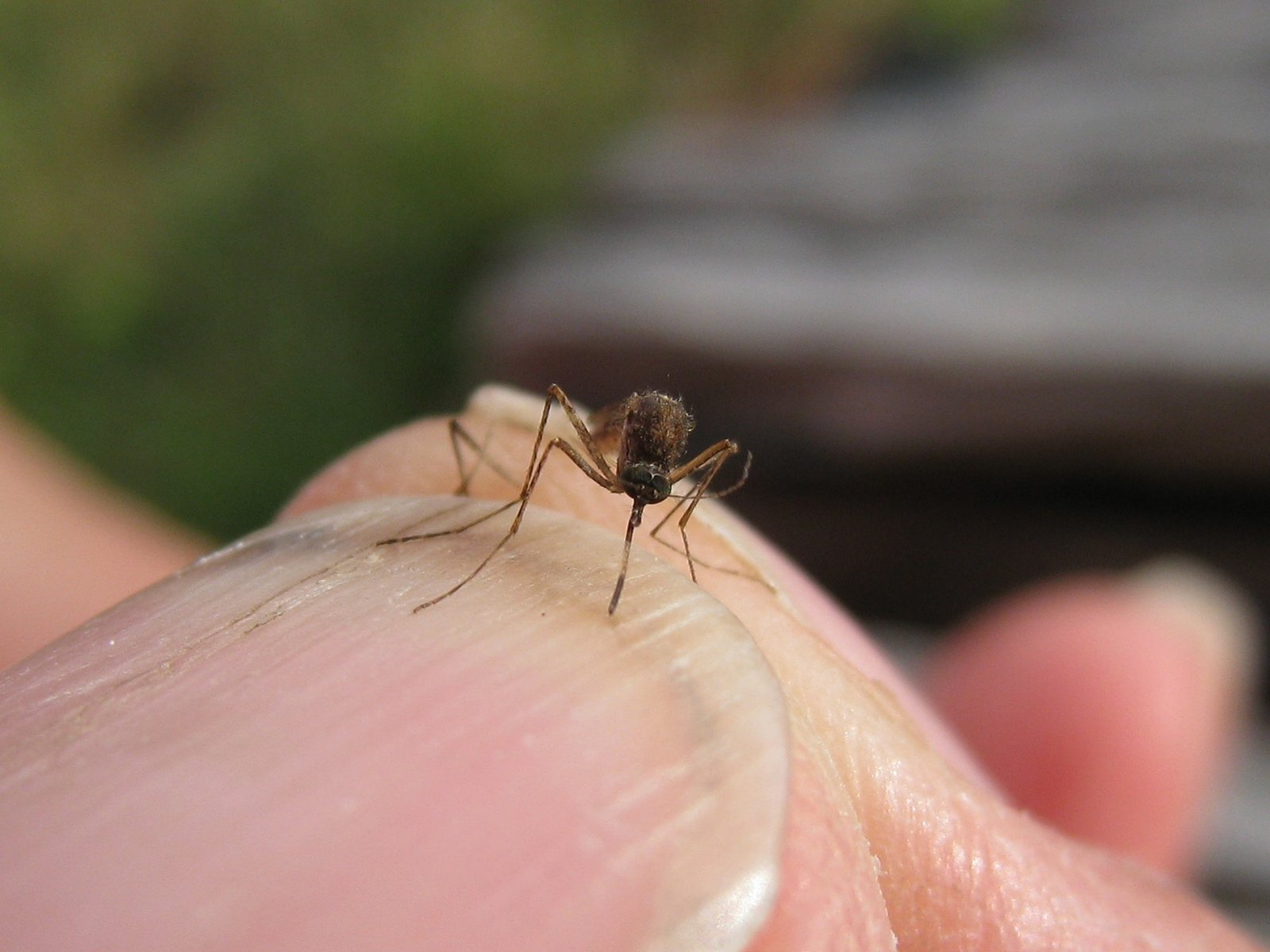
Mosquitoes in a Sydney backyard come from two places. Some breed right there, in pot plant saucers, blocked gutters, an unscreened rainwater tank or a green pool. Others fly in from saltmarsh and wetlands along the Georges, Parramatta and Hawkesbury rivers and Botany Bay, sometimes over long distances. Knowing which you have decides what will work.

Adult mosquitoes spend the day resting in cool, shaded, humid foliage: under hedges, in dense shrubs, beneath decks and along damp side passages. That behaviour gives treatment a target. We mist those resting areas with a registered residual product and deal with every water source we can find, either by removing it or treating water that cannot be emptied.

Treatment lowers mosquito numbers in your yard for weeks, which makes outdoor living far more comfortable, but it does not replace personal protection. NSW Health advises repellent and covering up, especially around dawn and dusk, and we will always tell you the same.

  • Full breeding-site inspection of the property
  • Larval treatment of water that cannot be emptied
  • Residual misting of shaded resting foliage
  • Fixed price from $119, terms confirmed in writing
Book Mosquito Control

Get Your Free Quote

Tell us about it

Licensed & insured · Pet & child safe

Couldn't send just now — please call 1300 313 373.

Request received!

Thanks — we've got your details. A licensed Elite technician will call you back shortly with your free quote.

Or call now: 1300 313 373
SYDNEY MOSQUITOES

Mosquitoes That Bite Around Sydney

Species matters because it tells us whether mosquitoes are breeding on your property or flying in.

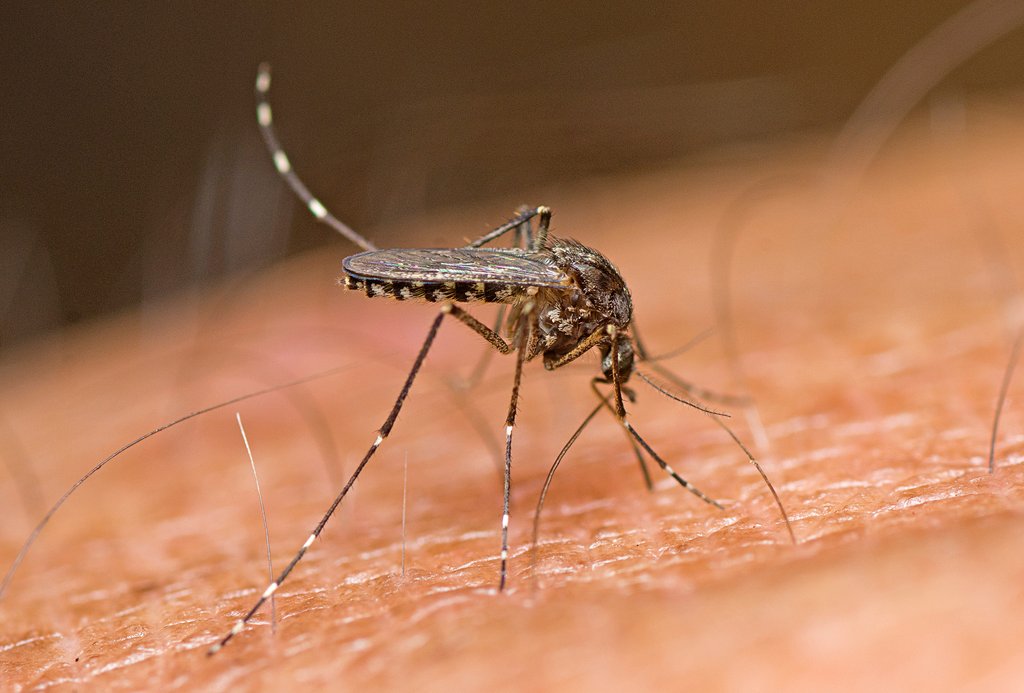
Common banded mosquito, Culex annulirostris

Common Banded Mosquito

A freshwater breeder of wetlands, flooded grass and ponds that bites mainly from dusk into the night. It is an important carrier of mosquito-borne viruses in Australia, including Japanese encephalitis.

Saltmarsh mosquito, Aedes vigilax

Saltmarsh Mosquito

Breeds in estuarine saltmarsh after high tides and rain, then flies well inland. It is behind summer bite plagues in suburbs near mangroves and wetlands, and can carry Ross River and Barmah Forest viruses.

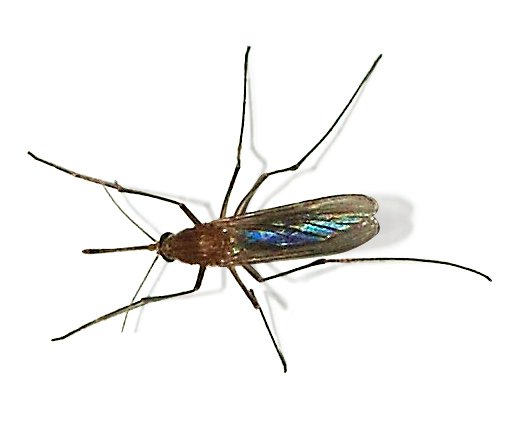
Common house mosquito, Culex pipiens group

Common House Mosquito

The whining mosquito in the bedroom at night. It breeds in polluted or nutrient-rich water: blocked drains, septic and stormwater pits, neglected tanks and buckets.

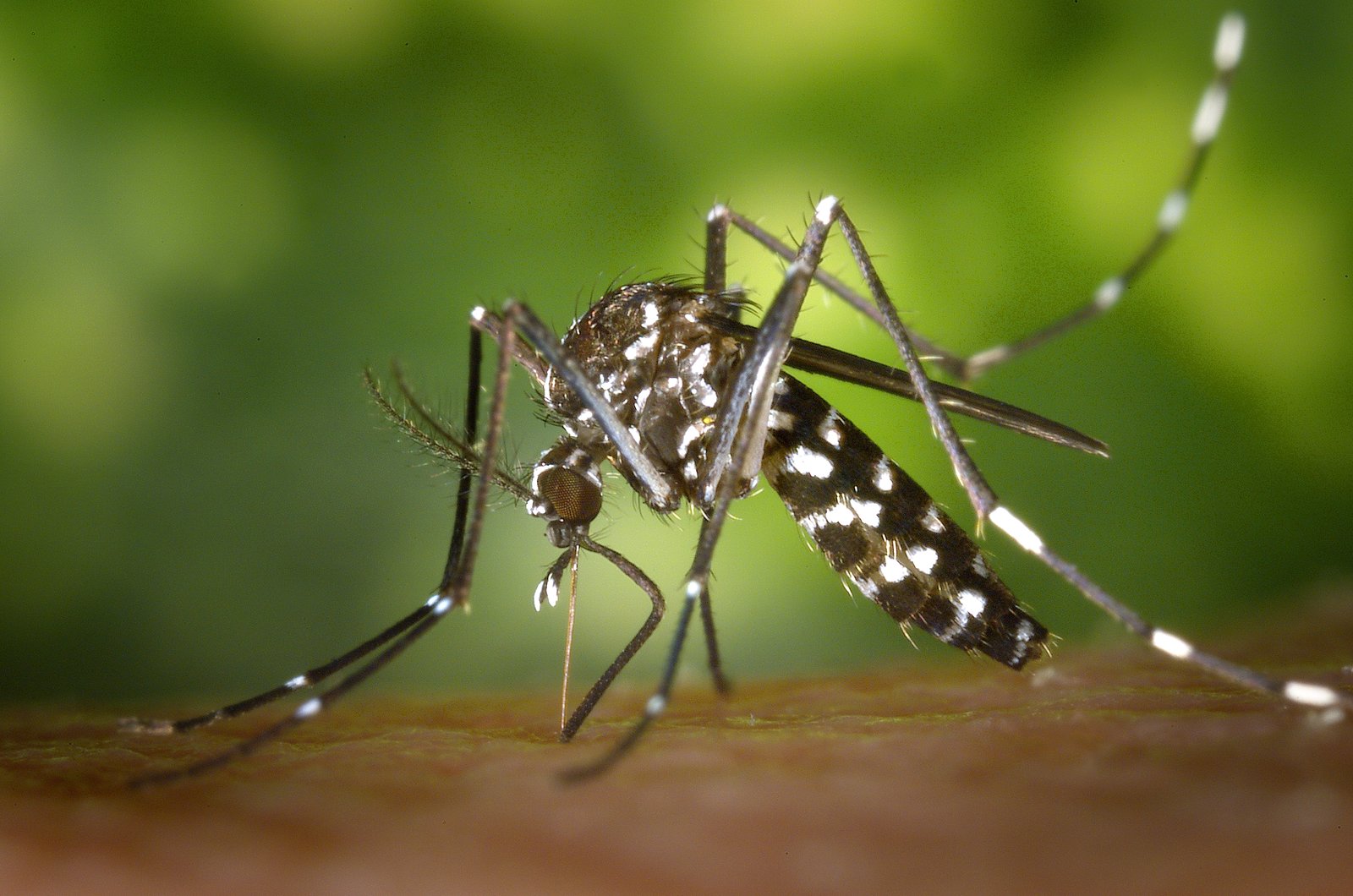
Asian tiger mosquito, Aedes albopictus

Asian Tiger Mosquito: On Watch

Established in the Torres Strait but, according to published surveillance, not established on mainland Australia. In Sydney yards the similar-looking native Aedes notoscriptus fills the container-breeding role.

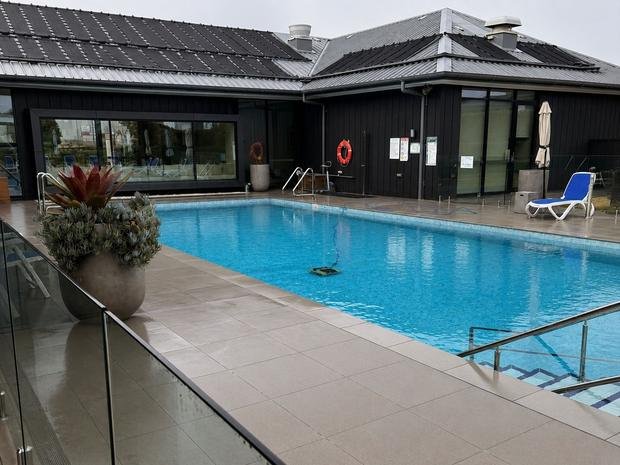
Outdoor pool area serviced under a commercial program

Pools and Water Features

Photo from an Elite job: an outdoor pool area on a commercial program. A well-run chlorinated pool is not a problem. Neglected pools, pool covers holding water and ornamental ponds without fish can be.

Childcare outdoor play area treated with child-safe products

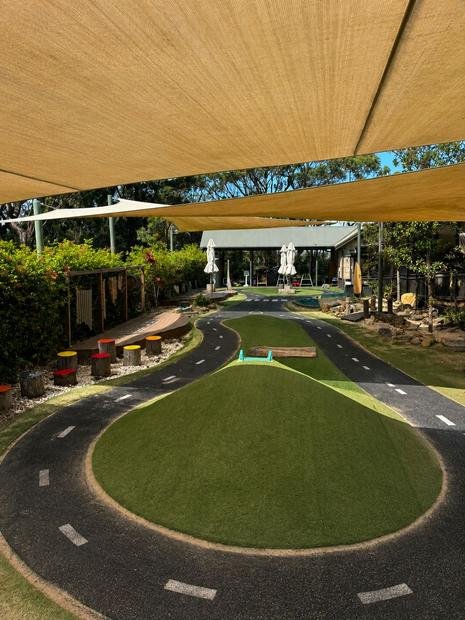
Childcare and Outdoor Play

Photo from an Elite job: a childcare outdoor play area treated with child-safe products. Sandpit covers, toys and planters are checked for water, and treatment is timed for when children are not on site.

BREEDING SITES

Where Mosquitoes Breed in a Sydney Backyard

Most backyard mosquitoes can breed in a surprisingly small amount of water. This is what we look for on every visit.

Breeding siteWhy it breeds mosquitoesWhat to do
Pot plant saucers, buckets, toys and tarpsSmall still pools that refill every time it rains or you waterTip out weekly, store upside down or under cover, fill saucers with sand
Blocked gutters and box guttersLeaf litter holds water out of sight for weeksClean gutters, check falls, fit gutter guard
Rainwater tanksMissing or torn inlet and overflow screens let mosquitoes in to lay eggsFit fine mesh screens and repair gaps in lids
Bird baths, pet bowls and water featuresClean water left standing for more than a few daysEmpty and wipe out at least weekly; keep water moving or stock ponds with fish
Stormwater pits, drains and septic systemsNutrient-rich water suits house mosquitoesKeep grates clear and drains flowing; seal or screen septic vents
Unused or green pools and pool coversA neglected pool can produce very large numbersKeep chlorinated and filtered; drain water pooling on covers
Water-holding plants and tree hollowsPlant leaf bases and hollows hold rainwaterFlush plants regularly; we can treat hollows that cannot be drained

More ideas in how to reduce mosquitoes in your backyard.

DON'T WAIT FOR IT TO GET WORSE

Mozzies ruining the backyard? Book a treatment before summer.

Talk to a licensed Sydney technician today — honest advice and a fixed quote within 30 minutes.

HEALTH ADVICE

Mosquito-Borne Disease in NSW

A pest treatment reduces mosquito numbers around your home. It does not replace the protection advice from NSW Health.

What mosquitoes can carry in NSW

NSW Health lists Japanese encephalitis, Ross River virus, Barmah Forest virus, Kunjin virus and Murray Valley encephalitis among the viruses spread by mosquitoes in NSW. NSW Health runs mosquito and virus surveillance each season, usually from about November to April.

Protecting yourself

NSW Health advises using a repellent containing DEET, picaridin or oil of lemon eucalyptus on exposed skin, wearing loose, light-coloured clothing with long sleeves and pants, and taking extra care around dawn and dusk, when most NSW mosquitoes are active.

Vaccination

A vaccine is available for Japanese encephalitis, and NSW Health offers it free to people in eligible groups. Ask your GP or pharmacist whether you qualify. There is no vaccine for Ross River or Barmah Forest virus.

When to see a doctor

Seek medical advice if you develop fever, headache, rash, joint pain or muscle aches after mosquito bites. If someone becomes confused, very drowsy or has a seizure, call 000.

OUR PROCESS

How a Mosquito Treatment Works

Water first, then the shady places adult mosquitoes rest during the day.

01

Property Inspection

We walk the whole property, including gutters, tanks, drains, pits, pot plants, water features and neighbouring wetland exposure.

02

Remove & Advise

Water that can be tipped out is emptied on the spot, and you get a list of fixes such as tank screens and gutter cleaning.

03

Larval Treatment

Water that cannot be emptied, such as pits, drains and tree hollows, is treated to stop larvae becoming biting adults. Fish ponds are left alone.

04

Resting-Area Misting

A residual product is misted onto the undersides of leaves in shaded shrubs, hedges, under decks and along fence lines where adults rest.

05

Re-Treatment Timing

We explain how long results usually last in your conditions and when to re-treat through the season or before an event.

SEASON PLANNER

Mosquito Planner for the Sydney Year

WhenWhat is happeningBest action
September to OctoberWarmer days; first backyard breeders appear in containersClean gutters, screen tanks, tip out anything holding water
November to DecemberNumbers climb, surveillance season starts, storms fill containersBook a yard treatment before holidays and events
January to MarchPeak season, with saltmarsh mosquitoes after big tides and rainRe-treat as advised, keep up weekly water checks, use repellent
April to MayNumbers usually ease as nights coolKeep drains clear and fix any water problems found in summer
June to AugustFew biting mosquitoes outdoorsGood time for gutter guards, tank screens and drainage fixes
DIY VS PROFESSIONAL

What You Can Do and What We Add

Things you should do

Weekly water checks are the single biggest thing a household can do.

  • Tip out saucers, toys and buckets
  • Change bird bath and pet water
  • Clean gutters after storms
  • Use repellent and screens

What a professional adds

A trained eye for hidden breeding sites, products that are not sold to the public for resting-area misting, and larval treatment of pits and hollows you cannot drain.

What no one can promise

A mosquito-free yard. Wind, rain and wetlands nearby bring new mosquitoes in. Treatment reduces numbers; repellent protects the person.

Bigger sites

Schools, childcare centres, sporting clubs and hospitality venues can combine mosquito work with a commercial pest program.

WEEKLY ROUTINE

A Five-Minute Mosquito Walk-Around

Mosquitoes can go from egg to adult in about a week in warm weather, so a weekly check breaks the cycle.

  • Tip out pot plant saucers or fill them with sand
  • Empty and refill bird baths and pet water bowls
  • Turn over buckets, wheelbarrows and children's toys
  • Drain water sitting on pool covers, tarps and boat covers
  • Check tank screens and lids for holes
  • Clear leaves from gutters and drain grates
  • Flush water-holding plants with the hose
  • Keep the pool chlorinated and the filter running
  • Check flyscreens on doors and windows
  • Put repellent by the back door for evenings outside
LOCAL KNOW-HOW

Mozzies From Saltmarsh to Suburban Gutters

Sydney's mosquito problem is really several problems. Homes near the mangroves and saltmarsh of the Georges River, Botany Bay, the Parramatta River and the lower Hawkesbury deal with saltmarsh mosquitoes flying in after big tides. Leafy suburbs on the North Shore and in the Hills breed their own in gutters, tanks and pot plants. New estates in the North West and South West often have detention basins and wet drainage nearby.

Read when mosquito season starts in Sydney. Spending more time in the garden near bushland? Ask about tick control at the same visit.

Reviewed by Ismail, Founder · NSW Pest Management licence 5122967 · Updated September 2026

WHY CHOOSE US

The Elite Pest Difference

Breeding Sites First

We look for water before we pick up a sprayer.

Pond, Pet & Pollinator Aware

Fish ponds are left alone, and flowering plants are avoided while bees are foraging.

Before-Event Timing

Parties, weddings and outdoor events booked a few days ahead.

Homes to Childcare

Backyards, schools, childcare centres and hospitality venues.

SERVICE AREAS

Mosquito Control Across Sydney

Local technicians servicing 380+ suburbs — fast.

FAQ

Mosquito Control Questions, Answered

Everything you need to know before you book. Still unsure? Call us — we're happy to help.

Get a Free Quote
How much does mosquito control cost in Sydney?

Mosquito treatment starts from $119. The fixed price depends on the size of the yard, how much dense vegetation needs misting, the number of breeding sites and whether you want repeat treatments through summer. We confirm the price and any warranty terms in writing with your quote.

How long does a mosquito yard treatment last?

It varies with weather, rain, how quickly plants grow and how many mosquitoes fly in from nearby wetlands. Heavy rain and new growth shorten it. Your technician will explain what to expect for your property and when to book again, and treating breeding sites makes results last longer.

When is mosquito season in Sydney?

Mosquitoes build up with warm weather from spring and are worst through summer and early autumn, especially after rain or very high tides. NSW Health runs its mosquito and virus surveillance season from around November to April. Booking a treatment in late spring gets ahead of the peak.

Is mosquito treatment safe for pets, kids and fish?

We use APVMA-registered products applied to label. Children and pets stay inside until sprayed foliage is dry, usually a few hours. We do not spray over fish ponds, veggie gardens being harvested or flowering plants bees are working, and we cover or move pet bowls first.

Why are there so many mosquitoes near the river or bay?

Suburbs near saltmarsh and mangroves on the Georges River, Parramatta River, Botany Bay and the Hawkesbury receive saltmarsh mosquitoes that breed after high tides and rain, then fly inland. You cannot treat the wetland, so the focus is resting-area misting, screens and personal protection.

What repellent should I use?

NSW Health recommends repellents containing DEET, picaridin or oil of lemon eucalyptus, applied to all exposed skin and re-applied as the label directs, especially after swimming. Check product labels for use on young children. Wearing long, loose, light-coloured clothing adds protection.

Do citronella candles and bug zappers work?

They may make a small area feel better for a while, but they do little about mosquitoes breeding in your gutters or resting in your hedges. Removing standing water, treating resting areas, fitting screens and using a proper repellent do far more to cut bites.

Can you treat for a party or wedding?

Yes. We usually recommend treating a few days before the event, so foliage is dry and resting mosquitoes have contacted the product. Tell us the date, the area guests will use and whether there are pools, ponds or food gardens nearby.

Do mosquitoes breed in rainwater tanks?

They can if mosquitoes get past the inlet or overflow. Tanks should have intact fine mesh screens on every opening and a sealed lid. We check tanks during inspection and point out any gaps. We do not add insecticide to drinking water tanks.

Should I worry about Japanese encephalitis in Sydney?

Most mosquito bites in Sydney cause nothing more than an itch, but NSW Health does warn about mosquito-borne viruses each season. Follow its advice on repellent and covering up, and ask your GP whether you are eligible for the free Japanese encephalitis vaccine.

RELATED SERVICES

We Also Handle

DON'T LET PESTS WIN

Got a pest problem? Let's solve it today.

Fast, friendly, fully insured technicians. No-obligation quote within 30 minutes.