Behind the kickboards
The gap under your cabinets is a perfect mouse corridor. Kickboards hide droppings, nests of shredded paper and the holes where plumbing comes through the wall.

Mouse droppings in the cutlery drawer or scratching in the kitchen wall? Indoor mouse treatment and proofing of pencil-width gaps, from $89.
Real, verified feedback from people we've helped — straight from Google.
The house mouse (Mus musculus) is a different problem from a rat. It weighs only 10 to 25 grams, according to the Australian Museum, lives within a few metres of its food, and can slip through a gap about the width of a pencil. That means mice set up home inside the kitchen itself: behind kickboards, under the dishwasher, inside the stove cavity and in the wall behind the pantry.
Because mice nibble small amounts from many places, a single tray of bait or one trap by the back door rarely gets them all. Mouse control works best with many small placements close together along the routes mice use, combined with sealing the tiny gaps where pipes and cables come through walls and cabinetry.
We decide between trapping and baiting room by room. In kitchens and food areas, and in homes with young children or pets, trapping and sealed stations usually make more sense. In roof voids and subfloors, lockable bait stations do the heavy lifting.
Droppings are usually the first thing people find. These are the rough differences our technicians look for.
| Droppings | Look like | Usually found | What it means |
|---|---|---|---|
| House mouse | Small (a few millimetres), dark, pointed at one or both ends, like a grain of rice | Scattered in drawers, pantry shelves, under the sink and along kickboards | Mice are feeding nearby, often nesting within the kitchen |
| Rat | Noticeably larger and thicker, capsule-shaped | Grouped along runs in the roof void, subfloor or garage | A rat program, not a mouse program |
| Cockroach | Tiny pepper-like specks or smears, sometimes with ridges on larger species | Cupboard hinges, corners, behind the fridge | Cockroach treatment instead |
| Gecko or skink | Dark pellet with a white chalky tip | Window sills, walls near lights, outdoor areas | Harmless native reptiles, no treatment needed |
| Microbat | Dry pellets that crumble to a glittery powder of insect parts | Beneath roof gaps, eaves or wall vents | Protected native animals; don't bait, seek advice |
Wear gloves and wet-clean droppings with disinfectant rather than dry-sweeping. NSW Health recommends disinfectant or bleach solution for cleaning floors and benches after mice.
The gap under your cabinets is a perfect mouse corridor. Kickboards hide droppings, nests of shredded paper and the holes where plumbing comes through the wall.
Dishwashers, ovens and fridges are warm, and their cavities connect to wall gaps. Mice nest in insulation and travel along cables behind them.
Chewed cereal boxes, pet food bags and droppings among cutlery or tea towels usually mean mice are feeding right there.
Light scratching inside walls at night, especially near the kitchen, suggests mice moving between the roof or subfloor and the benches.
Talk to a licensed Sydney technician today — honest advice and a fixed quote within 30 minutes.
The Australian Museum notes house mice can breed from about two months old, with litters of four to eight young.
Mice urinate and leave droppings as they feed, so nibbled packets and bench surfaces have to be dealt with.
NSW Health links mice to leptospirosis, lymphocytic choriomeningitis virus and gastro infections.
Nests sit in cavities you can't see, so the mice you spot are only part of the population.
Built around how mice feed and move, which is not the same as rats.
We pull kickboards where possible, look behind appliances and check pantries, the laundry, roof void and subfloor.
Trapping, sealed stations or baiting is chosen for each area, considering food, children and pets.
Mice have small home ranges, so placements go close together along walls and near nests rather than one per room.
Pipe, cable and gas penetrations are identified for proofing with materials mice can't chew through.
We check traps and stations, remove catches, and advise on disinfecting affected cupboards and surfaces.
Both work when used in the right place. Here's how they compare inside a home.
| Trapping | Baiting in lockable stations | |
|---|---|---|
| Best location | Kitchens, pantries, bedrooms and food areas | Roof voids, subfloors, garages and wall cavities |
| Visible result | Yes, you can see and remove catches | No, mice feed and leave |
| Odour risk | Low, catches are removed | Possible if a mouse dies in a cavity |
| Children & pets | Enclosed traps placed out of reach | Tamper-resistant stations fixed in position |
| Large populations | Slower on its own | Reaches mice in hidden cavities |
| Needs checking | Every few days | At follow-up visits |
Most homes get a combination: traps where you live and eat, stations where mice enter and nest.
Small gaps matter with mice. Work through this list after treatment.
Three small animals Sydney households most often confuse, and why the difference matters.
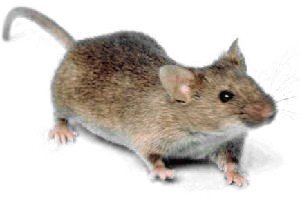
Brownish-grey with large rounded ears and a tail about as long as its body. The target of this service.

Bigger head and feet for its size. Needs a rat program, with different placement and proofing.
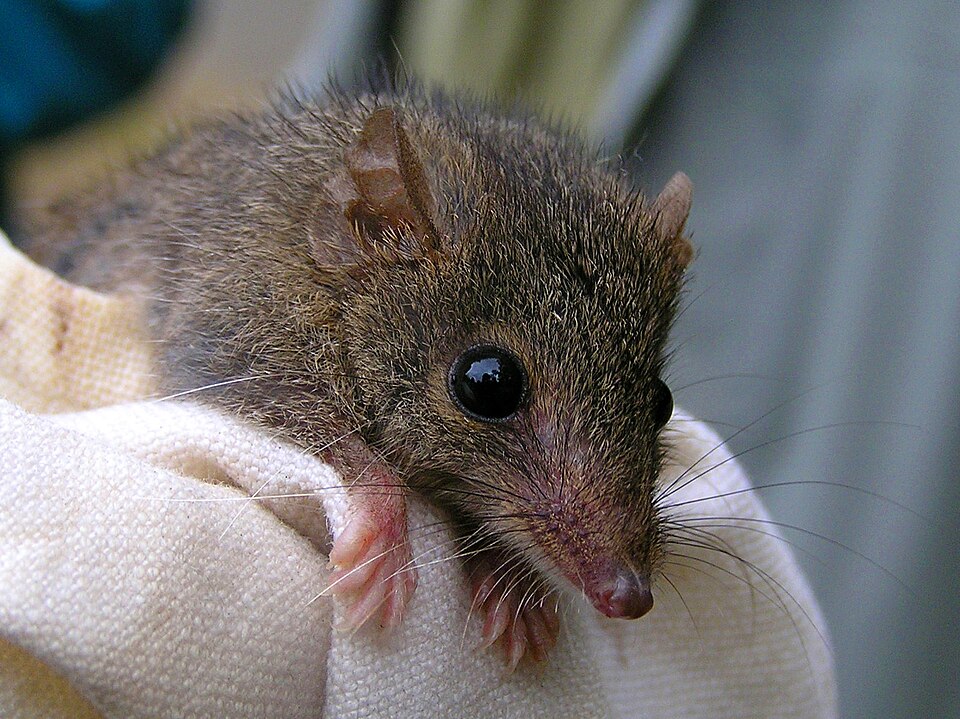
A pointed-snouted native marsupial found near bushland. Protected in NSW, so it's excluded, never treated.
Many of Sydney's mouse jobs are in places where one home connects to the next: apartment blocks in Randwick and Parramatta, terraces in Surry Hills and Balmain, and townhouses with shared roof spaces. Mice use service risers, shared cavities and gaps around plumbing to move between neighbours, which is why a treated home can pick up mice again.
If your building has a wider problem, talk to your strata manager about a strata program covering common property. For a mixed rat and mouse problem, start with our rodent control hub, and for sealing gaps as a separate job see pest proofing.
Reviewed by Ismail, Founder · NSW Pest Management licence 5122967 · Updated September 2026
We look where mice live: kickboards, appliance cavities and pantry walls.
Trapping and sealed stations indoors where children and pets are around.
NSW Pest Management licence 5122967 and APVMA-registered products.
7am to 9pm, seven days, with same-day visits where available.
Local technicians servicing 650+ suburbs — fast.
Everything you need to know before you book. Still unsure? Call us — we're happy to help.
Get a Free QuoteMice control starts from $89. The fixed price depends on how many rooms are affected, whether the roof void and subfloor also need treatment, and whether you'd like gaps proofed. We confirm the price before starting, and any warranty or follow-up terms are set out in writing with your quote.
Guidance generally puts it at around 6 mm, about the width of a pencil, though some government sources quote up to 8 mm. If a mouse can fit its head through a gap, the rest of its body usually follows. Gaps around pipes under sinks and behind appliances are the ones most often missed.
Inside living areas, traps are often the better choice. You can see results, remove the mouse, and avoid a mouse dying inside a wall. Bait in lockable stations suits roof voids, subfloors and garages. We often combine both, with trapping in the kitchen and stations in the cavities mice use to get in.
Quickly. The Australian Museum notes house mice can breed from around two months of age, with litters of four to eight young, and females can have several litters a year. A couple of mice in autumn can become a much larger population within a few months if food and shelter are available.
Wear gloves, cover cuts, and wet the droppings with disinfectant before wiping them up instead of sweeping them dry. NSW Health recommends mopping floors and cleaning benches with disinfectant or bleach solution, and washing affected bedding or tea towels in hot water with detergent. Wash your hands well afterwards.
Mice take time to find new traps and stations, and nests hidden in cavities may take a week or two to clear. If scratching continues after two weeks, or new droppings keep appearing, there may be an untreated entry point. Let us know and we will check the placements and the gaps.
Yes. In apartment buildings mice travel through service risers, ceiling spaces and pipe penetrations between units. Treating your unit helps, but if the building has a wider problem a strata program covering common property is usually needed to stop mice returning.
Warmth, shelter and easy food. Pet food left out, open cereal and flour packets, crumbs under appliances and bird seed are common attractants. Mice also move in from gardens and nearby reserves as the weather cools. Storing food in sealed containers and fixing gaps removes most of the attraction.
Young rats are often mistaken for mice. A juvenile rat has a larger head and feet relative to its body, and thicker features. Getting this right matters because rats need different station placement and proofing. If you're unsure, droppings and where you find them usually settle it on inspection.
In homes near bushland, yes. Antechinus are small native marsupials with a pointed snout and are sometimes found indoors. They are protected in NSW and must not be baited or trapped as pests. If we identify one, we will focus on sealing it out rather than treating it.
Fast, friendly, fully insured technicians. No-obligation quote within 30 minutes.