★ 5.0 · Google Reviews Same-Day & 24/7 Emergency Service Pet & Child Safe Treatments Licensed & Insured · 6-Month Warranty 380+ Sydney Suburbs
PROFESSIONAL WASP & BEE CONTROL

Wasp & Bee Control Sydney

Same-day treatment of European wasp and paper wasp nests around Sydney homes, schools and businesses, plus straight advice on bees, which are usually better relocated than destroyed.

From $89 Same-Day Nest Treatment Bees Relocated Where Viable
GOOGLE REVIEWS

Trusted by Sydney Homes & Businesses

Real, verified feedback from people we've helped — straight from Google.

5.0
Verified Google reviews
NSW Licence 5122967 Full Protective Gear Species Identified First 5.0 Google Rating 7am–9pm, Seven Days
OVERVIEW

Wasp Nest Removal Without the Stings

Most wasp calls start the same way: someone mows the lawn, trims a hedge or opens the letterbox and disturbs a nest they didn't know was there. What happens next depends on the wasp. A small paper wasp nest under the eaves may send out a few defenders. A European wasp nest hidden in the ground or a wall cavity can send out many more, and unlike honey bees, wasps can sting more than once.

European wasps were introduced to Australia and are now established around Sydney. Their nests are usually underground or inside wall cavities, with only a small entrance hole showing, and in Australia's milder climate a nest can survive winter and keep growing. Workers are drawn to meat, sweet food and drinks, which is why they turn up at barbecues and outdoor tables.

Our technicians identify what you have, treat the nest itself rather than the wasps flying around it, and tell you when the area is safe to use again. Wasp treatments start from $89. Bees are a different conversation, and our guide to bees vs wasps explains why.

  • European wasp, paper wasp and mud dauber nests
  • Nest treated at the source, not sprayed around
  • Same-day attendance for urgent nests
  • Bees assessed for relocation before any treatment
Book Wasp & Bee Control

Get Your Free Quote

Tell us about it

Licensed & insured · Pet & child safe

Couldn't send just now — please call 1300 313 373.

Request received!

Thanks — we've got your details. A licensed Elite technician will call you back shortly with your free quote.

Or call now: 1300 313 373
IDENTIFY IT

Wasps and Bees Around Sydney Homes

Knowing what you are dealing with tells you how urgent it is.

European wasp

European Wasp

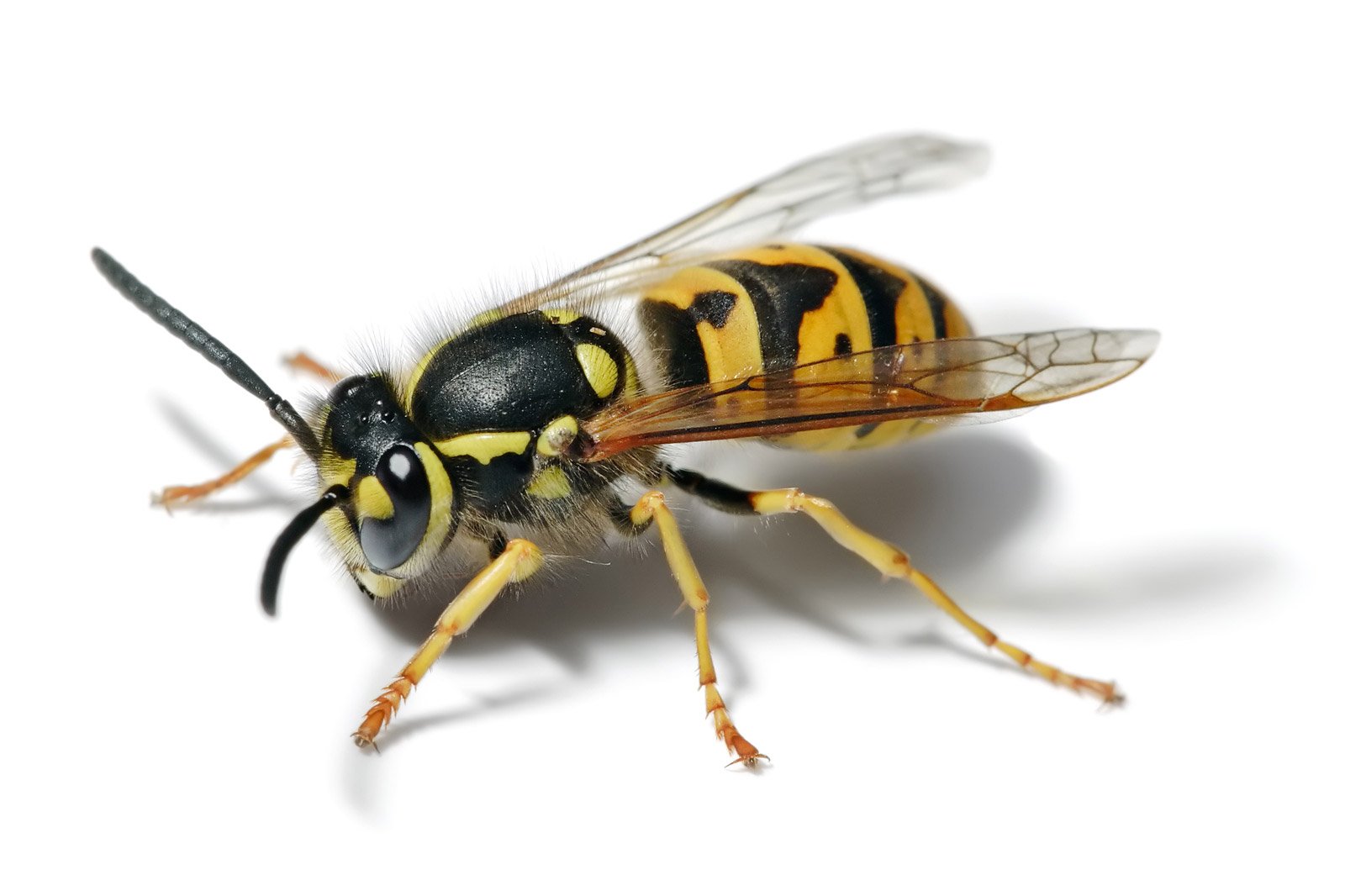
Bright yellow and black bands with black spots, black antennae, legs tucked up in flight. Nests hidden underground or in cavities. Treat urgently.

Paper wasp

Paper Wasp

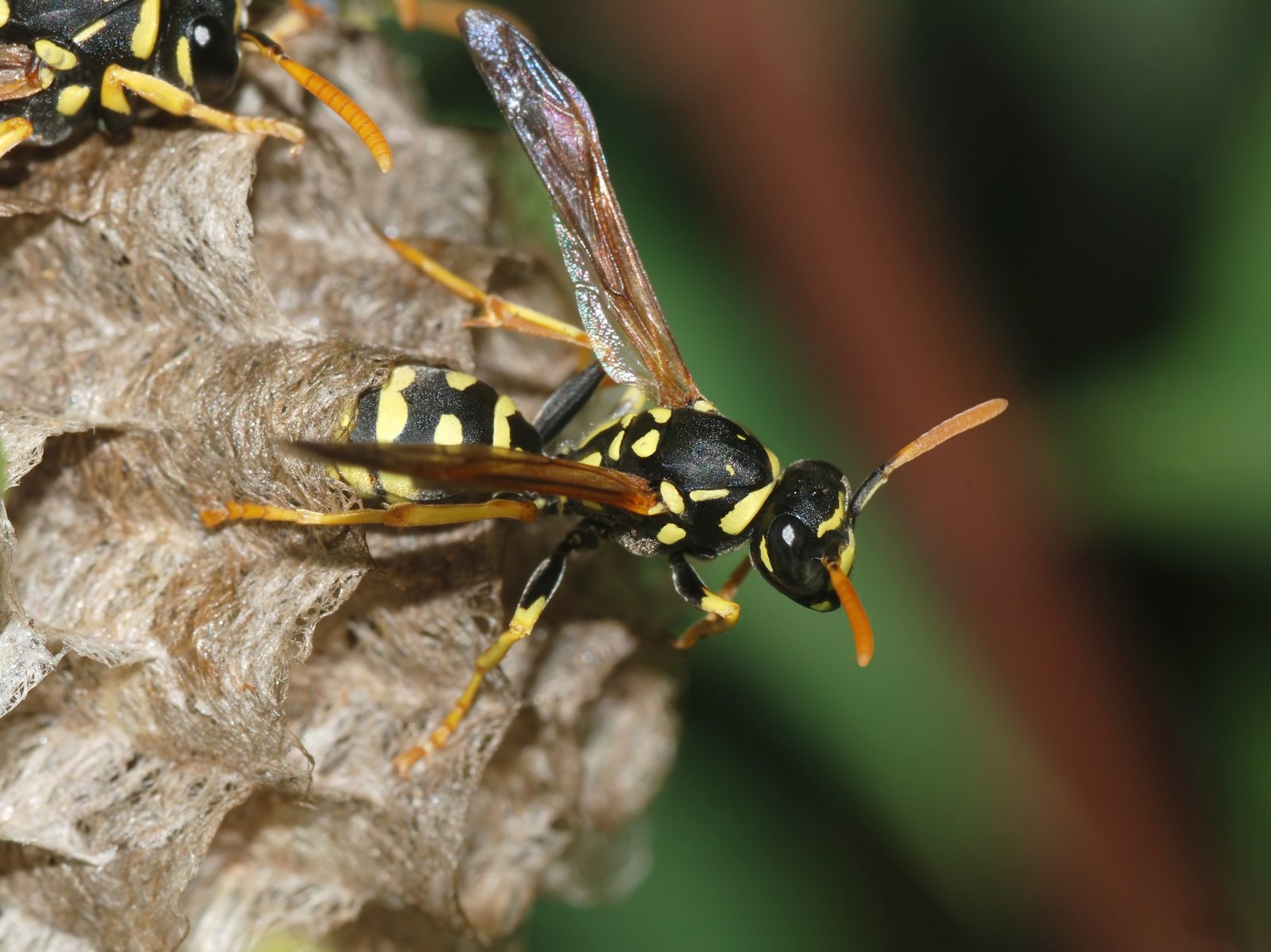
Slimmer body with legs dangling in flight. Builds open, grey, umbrella-shaped combs under eaves, pergolas, railings and letterboxes.

Mud dauber wasp

Mud Dauber

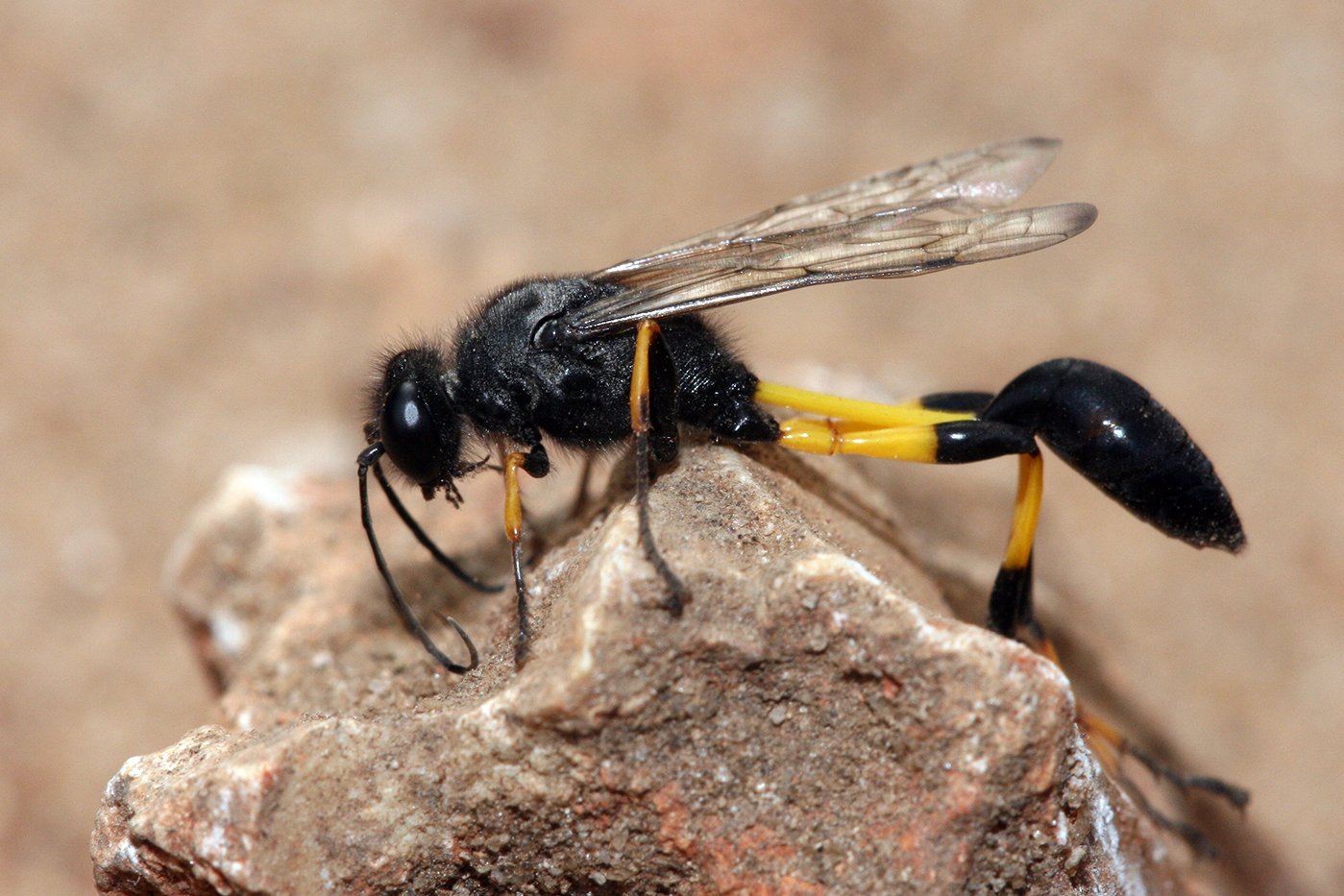
A thin-waisted solitary wasp that builds mud cells on walls and ceilings. Rarely stings people and often needs no treatment.

Honey bee

Honey Bee

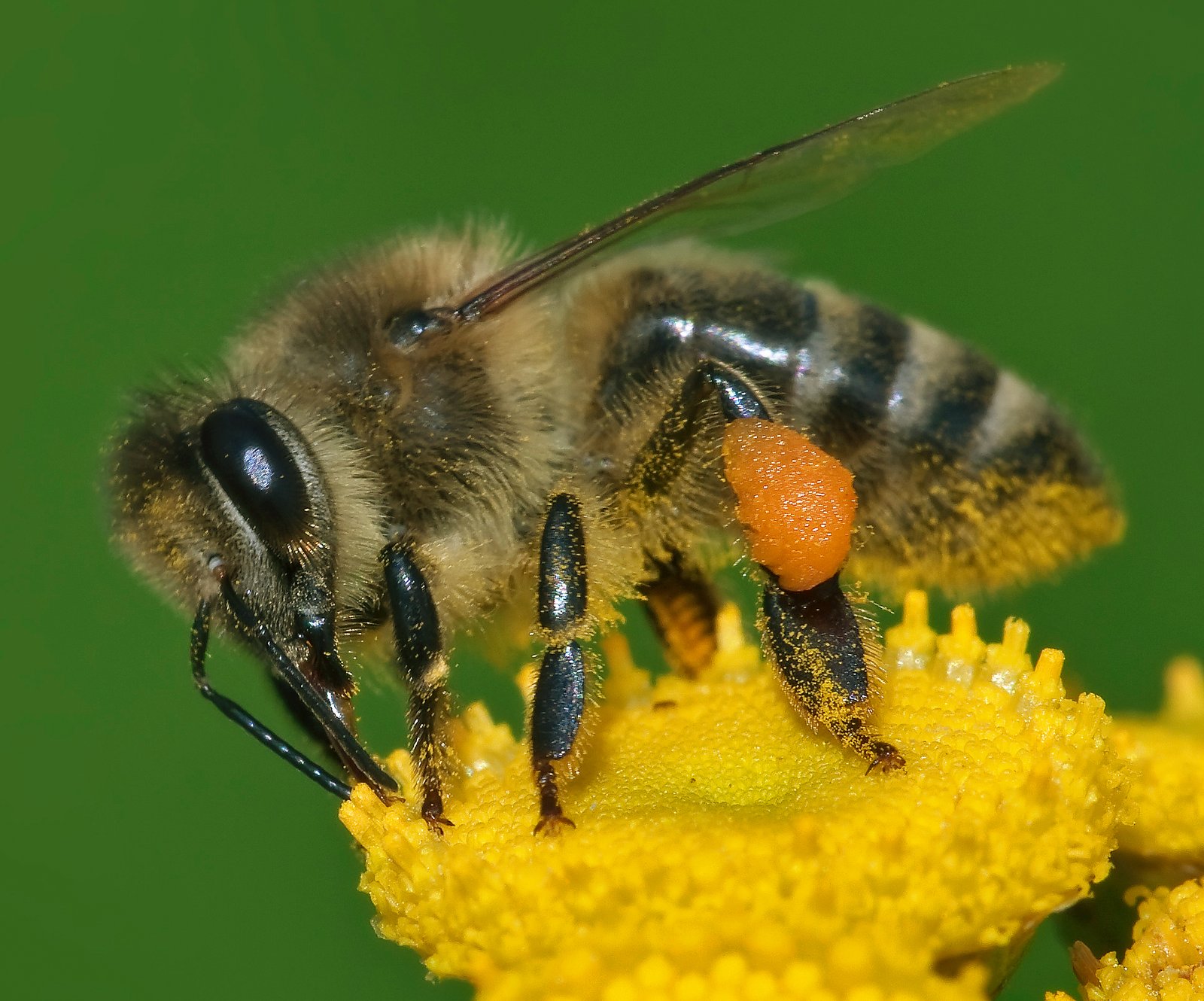
Hairy, golden-brown body. Swarms cluster on branches in spring; established colonies build wax comb in walls and roofs. Relocation comes first.

WASP OR BEE?

What to Do Depends on the Insect

What you seeLikely insectWhat to do
Wasps flying in and out of a hole in the lawn, a garden bed or a wallEuropean waspKeep everyone and pets away and book a treatment. Don't block the hole or pour anything in.
Grey papery comb with open cells under an eave or railingPaper waspKeep clear. Small nests are quick to treat; don't knock them down with a broom.
Mud lumps or tubes on a wall in a sheltered spotMud dauberUsually low risk. Often left alone or scraped off once empty.
A buzzing cluster of bees on a branch or fenceHoney bee swarmLeave it alone. Swarms are usually calm and often move on within a day or two.
Bees entering a gap in a wall, roof or chimney for weeksEstablished honey bee colonyNeeds removal of bees and comb, often with a beekeeper and a builder.
Tiny black bees at a small resin-lined entranceNative stingless beesDon't spray them. They don't sting, and a native bee keeper may relocate the colony.

Not sure which you have? Send us a photo taken from a safe distance when you book.

DON'T WAIT FOR IT TO GET WORSE

Nest near the front door or play area? Call us today.

Talk to a licensed Sydney technician today — honest advice and a fixed quote within 30 minutes.

WHY IT MATTERS

Why DIY Nest Attacks Go Wrong

01

Hidden Nests Are Bigger Than They Look

A small hole in the ground or a wall can lead to a large European wasp nest, with far more wasps inside than you can see.

02

Sprays Trigger a Defence

Hardware sprays that don't reach the nest just disturb it and send wasps out at whoever is holding the can.

03

Blocking the Entrance Backfires

Sealing a cavity nest can push wasps to find another way out, sometimes into the house.

04

Reactions Can Be Serious

Multiple stings, or one sting in someone with an allergy, can cause a severe reaction. Call 000 if someone has trouble breathing.

OUR PROCESS

How We Treat a Wasp Nest

Most nests are dealt with in a single visit.

01

Identify & Assess

We confirm the species, find the nest and its entrance, and check how close it is to doors, windows and play areas.

02

Secure the Area

People and pets are kept inside or away, and the technician puts on full protective gear.

03

Treat the Nest

An APVMA-registered insecticide is applied directly into the nest or entrance so it reaches the colony.

04

Remove Where Practical

Accessible nests are taken down once treated. Cavity nests are left so returning wasps contact the treatment.

05

Safe Return Advice

You're told how long to keep the area clear and what to expect over the next day.

SYDNEY SEASONS

Wasp & Bee Activity Through the Year

SeasonWaspsBees
Spring (Sep–Nov)Queens start new nests; small paper wasp combs appear under eavesMain swarming season for honey bees
Summer (Dec–Feb)Nests grow quickly; European wasps forage around outdoor food and drinksEstablished colonies are busy; late swarms possible
Autumn (Mar–May)European wasp nests are often at their largest and most defensiveActivity eases as temperatures drop
Winter (Jun–Aug)Many nests die off, but European wasp nests can survive mild winters and keep growingColonies cluster; swarms are uncommon
WHILE YOU WAIT

Staying Safe Until We Arrive

  • Keep children and pets indoors or well away from the nest
  • Close windows and doors on the side of the house near the nest
  • Don't mow, whipper-snip or use a leaf blower nearby
  • Don't spray, hose, burn or block the nest
  • Cover food and drinks outdoors, and check cans before sipping
  • Note where the wasps fly in and out, from a safe distance
  • Make sure anyone with a known sting allergy has their prescribed adrenaline auto-injector
  • Call 000 if someone who was stung has trouble breathing, facial swelling or feels faint
BEES

Honey Bees and Native Stingless Bees

Honey bee swarms

In spring, honey bee colonies split and a swarm leaves with the old queen, clustering on a branch, fence or letterbox while scouts search for a new home. Swarms are usually calm at this stage and often move on within a day or two. A local beekeeper may collect it.

Established colonies in walls

Once bees move into a wall cavity, roof or chimney and build comb, the colony needs proper removal. Comb left in a wall can leak honey, stain, smell and attract other pests. This often needs a beekeeper and a builder to open the cavity.

When treatment is the only option

Occasionally bees are somewhere relocation isn't viable and they pose a safety risk. Then the entrance and comb need dealing with properly, so bees from other hives can't carry treated honey away.

Native stingless bees

Sydney is home to native stingless bees, Tetragonula carbonaria. They are harmless and valuable pollinators. If a colony is in a wall or a log that must go, contact a native bee keeper about relocation instead of treatment.

SYDNEY WASPS

Where Wasps Nest in Sydney Yards

European wasps favour sheltered spots with soil or cavities: garden beds and lawns, retaining walls, gaps in brickwork, compost heaps and roof spaces. Leafy suburbs with big gardens and bushland edges, from the Hills District to the Sutherland Shire, give them plenty of places to hide a nest. Paper wasps prefer something to hang from, so they appear under eaves, pergolas, play equipment, letterboxes and outdoor furniture on all kinds of homes.

For schools, childcare centres, sports grounds and cafes with outdoor seating, we attend urgently and work around the people on site. Read why you shouldn't DIY a big nest, and for spiders, ants and other pests, see our pest control services.

Reviewed by Ismail, Founder · NSW Pest Management licence 5122967 · Updated September 2026

WHY CHOOSE US

The Elite Pest Difference

Same-Day Response

Urgent nests near doors, play areas or allergic family members are prioritised.

Right Insect, Right Fix

We identify wasps and bees before choosing between treatment and relocation.

Treated at the Source

Treatment goes into the nest, so the colony doesn't recover.

Licensed & Insured

NSW Pest Management licence 5122967 and full insurance.

SERVICE AREAS

Wasp & Bee Control Across Sydney

Local technicians servicing 380+ suburbs — fast.

FAQ

Wasp & Bee Control Questions, Answered

Everything you need to know before you book. Still unsure? Call us — we're happy to help.

Get a Free Quote
How much does wasp nest removal cost in Sydney?

Wasp nest treatments start from $89. The fixed price depends on the type of wasp, the size of the nest and where it is. A small paper wasp nest under an eave is quick. A European wasp nest inside a wall cavity, roof void or high in a tree takes more time and equipment. You get the price before we start.

Can you remove a wasp nest the same day?

In most cases, yes. Nests near doorways, play areas, schools or anyone with a sting allergy are treated as urgent. We are open 7am to 9pm, seven days, and there is a 24/7 line for emergencies. Keep people and pets away from the nest until we arrive.

How do I know if it's a European wasp?

European wasps are about 12 to 16 mm long, with bright yellow and black bands, black spots on the yellow, black antennae and legs tucked up in flight. They usually nest underground or in cavities, entering through a small hole. Paper wasps are slimmer, fly with their legs dangling and build open combs you can see.

Should I spray a wasp nest myself?

It isn't worth the risk, especially with European wasps or a nest you can't see. Hardware sprays often don't reach the nest and just stir up the colony, and blocking the entrance can send wasps into the house. A technician in protective gear can treat the nest directly and safely.

Do wasps die after they sting?

No. Unlike honey bees, wasps can sting more than once without dying, and a disturbed nest can send out many defenders at once. That is why European wasp nests in particular should be treated professionally. Anyone with a known allergy should stay well away and keep their prescribed medication close.

Do you remove bees?

We assess bees before doing anything. Honey bee swarms are usually calm and often move on within a day or two, or a beekeeper may collect them. Established colonies in walls can need a beekeeper and a builder. We only treat bees when relocation isn't viable and they pose a real safety risk.

What should I do about native bees?

Leave them be. Sydney's native stingless bees are harmless and valuable pollinators, and because they don't sting, a colony in a wall, fence post or tree rarely needs urgent action. If it has to move, contact a native bee keeper about relocating the colony rather than having it treated.

How long before we can use the area again?

Your technician will confirm on the day. Often it is a few hours, while returning wasps contact the treatment. Keep children and pets away from the nest area, keep nearby windows closed and don't disturb the entrance. A little activity near a treated nest is normal for a short time.

Will the wasps come back next year?

The treated colony won't recover, but new queens can start nests in spring wherever there is shelter. We point out the spots on your property that suit them, such as gaps in brickwork, roof vents and retaining walls, so you can keep an eye on them or seal them up.

Is wasp treatment covered by a warranty?

Warranty terms for wasp and bee work are confirmed in writing with your quote, because they depend on the insect and where the nest is. The 6-month warranty on our website applies to general pest treatments. If a treated nest is still active after the time your technician advised, call us.

RELATED SERVICES

We Also Handle

DON'T LET PESTS WIN

Got a pest problem? Let's solve it today.

Fast, friendly, fully insured technicians. No-obligation quote within 30 minutes.