Keep pests out
Clause 24(1)(b) says a food business must take all practicable measures to prevent pests entering the food premises. In practice that means screens, door seals, sealed wall gaps and keeping back doors closed.

Food-safe pest control for Sydney restaurants, cafes, takeaways and commercial kitchens: German cockroaches, rodents and drain flies, treated when the kitchen is closed.
Real, verified feedback from people we've helped — straight from Google.
A commercial kitchen gives pests everything they want: warmth from ovens and dishwashers, water at every sink and floor waste, and crumbs in places nobody can reach during service. German cockroaches live inside the equipment itself, drain flies breed in the film lining floor wastes, and rats work the laneway bins and the back door where deliveries arrive.
Our restaurant program is built around that reality. Technicians open up equipment, check motor housings and door seals, treat floor wastes and grease traps as breeding sites, and place gel baits where cockroaches actually shelter rather than spraying over prep benches. External rodent stations sit at bins and entry doors, locked and numbered.
We come before the first coffee or after the last plates are washed, leave a written service record for your food safety file, and tell your head chef exactly what needs fixing in plain kitchen language.
Real photos from Sydney food premises we service. Most activity is inside or behind equipment, not out on the floor.
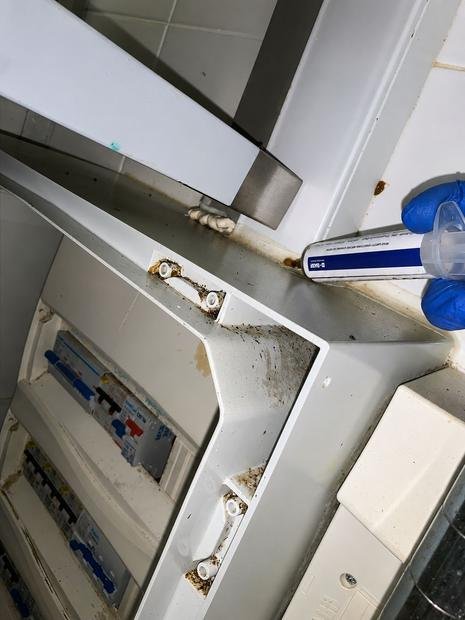
Warm motor compartments on fridges, bain-maries, dishwashers and ice machines are prime German cockroach harbourage. We check behind kick panels and inside door seals.
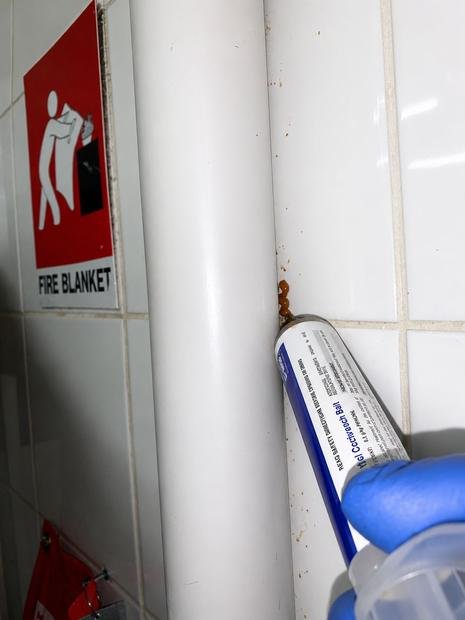
Where plumbing and gas lines pass through walls, gaps behind escutcheons let cockroaches travel between the kitchen, wall cavity and neighbouring tenancies.
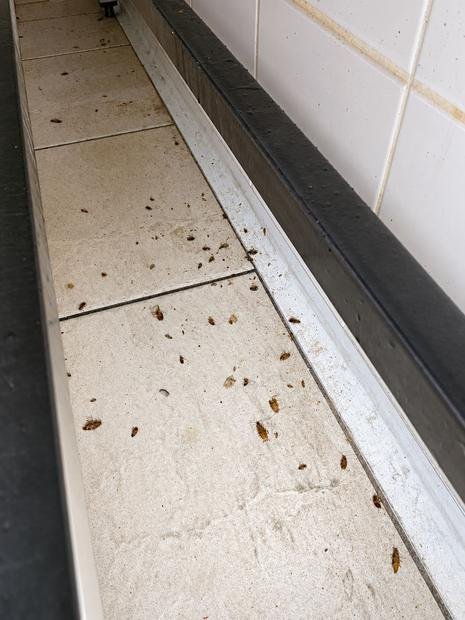
Cracked coving and gaps under stainless benches collect grease and food scraps. After treatment, knockdown along the floor line shows where the colony was living.
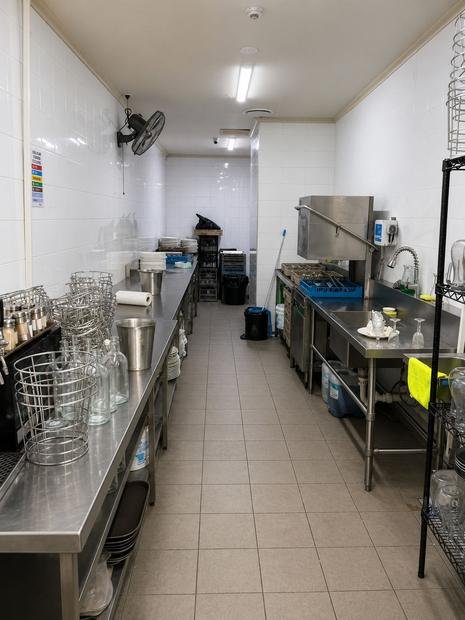
Constant moisture, food residue and biofilm in floor wastes make the wash-up area the main breeding site for drain flies and a water source for cockroaches.
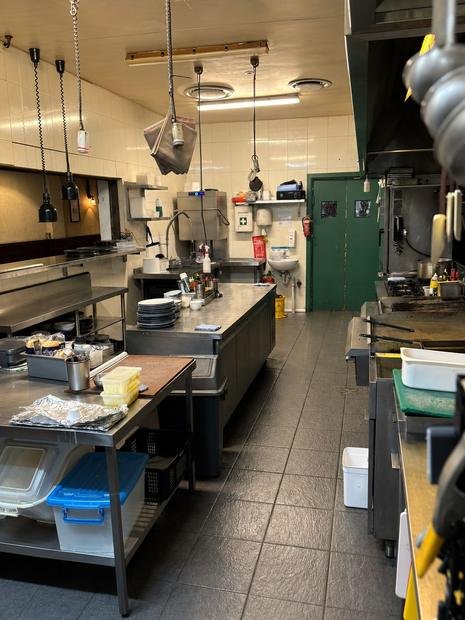
Cooklines are serviced when burners are off and food is put away, so baits and dusts go into voids behind equipment without any contact with food.
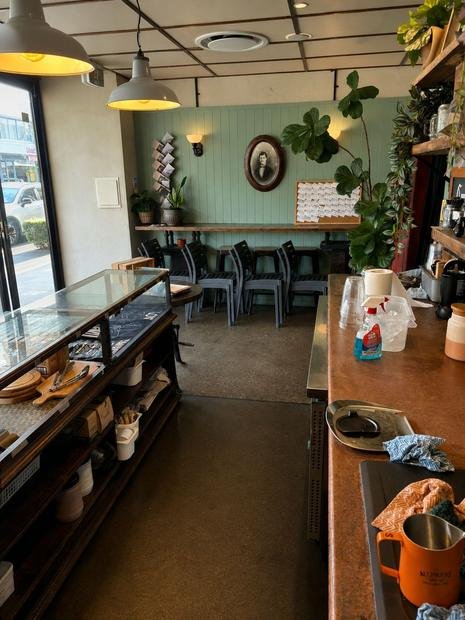
Coffee machines, milk fridges and display cabinets are warm, damp and full of crumbs. Cafe fit-outs need the same attention as the kitchen.
Standard 3.2.2 of the Australia New Zealand Food Standards Code applies to every food business in NSW. This is a plain-English summary, not legal advice.
Clause 24(1)(b) says a food business must take all practicable measures to prevent pests entering the food premises. In practice that means screens, door seals, sealed wall gaps and keeping back doors closed.
Clause 24(1)(c) requires all practicable measures to eradicate pests and prevent their harbourage, both on the premises and in the parts of vehicles used to transport food. That covers delivery vans, not just the kitchen.
Under clause 24(1)(a), live animals aren't permitted where food is handled, other than seafood, fish or shellfish. Assistance animals must be allowed in customer areas, and a business may choose to allow pet dogs in outdoor dining areas.
FSANZ recommends keeping reports of pest inspections and treatments showing dates, pest activity found, controls used and recommended actions. Our service record is set out that way.
Talk to a licensed Sydney technician today — honest advice and a fixed quote within 30 minutes.
Each pest needs a different approach. Spraying the floor rarely fixes any of them.
| Pest | Where it lives in a kitchen | How we control it | What your team can do |
|---|---|---|---|
| German cockroach | Equipment motors, hinges, cracked tiles, behind splashbacks | Gel bait rotation, insect growth regulator, void dusting | Degrease under equipment weekly and report sightings on the day |
| Drain flies | Biofilm in floor wastes, grease traps and under dishwashers | Drain and floor waste treatment plus finding the breeding source | Scrub floor wastes with a brush, not just a hose |
| House flies | Bins, outdoor dining, back doors left open | Fly light units placed away from food prep, source reduction | Keep doors closed, bins lidded and outdoor tables cleared |
| Rats & mice | Laneway bins, grease bins, ceiling voids, dry store | Locked external stations, traps inside, entry proofing | Stack deliveries off the floor and close the roller door |
| Stored product pests | Flour, rice, spices and grains in the dry store | Inspection, pheromone monitoring, disposal advice | Rotate stock first in, first out and use sealed tubs |
| Ants | Sugar stations, dessert sections, cracks near windows | Non-repellent baits that reach the nest | Wipe syrup and sugar spills straight away |
Planned around your service times, with a clear record at the end of every visit.
A technician inspects equipment, drains, dry store, bin area and entry doors with your manager or chef and rates the current activity.
You get a written scope, service frequency and a fixed price, with visits booked before opening or after close.
Heavy cockroach or fly activity gets an intensive first treatment, usually with a follow-up about two weeks later.
Scheduled visits check every station and monitor, treat new activity and re-bait harbourage in equipment and voids.
A service record for your food safety file, plus a short list of hygiene or proofing jobs for your team.
Environmental health officers from local councils and the NSW Food Authority check for pests as part of routine food premises inspections. Here is a sensible way to respond.
Stay calm and co-operative. Ask the officer to show you exactly where activity was found and write it down. Keep a copy of any inspection report or improvement notice, and note the deadline for fixing the problem.
Call us on 1300 313 373 for an urgent treatment. Pull equipment out, clean underneath, throw away contaminated food and seal gaps the officer pointed to. Photograph the areas before and after.
Have your latest service record, photos of repairs and cleaning, and any follow-up visit booked ready to show. Officers want evidence the cause was fixed, not only that a spray was applied.
Businesses that receive a penalty notice and don't elect to go to court can be published on the NSW Food Authority Name and Shame register, generally for 12 months. Prosecutions are listed separately for longer.
Pest control works far better when these are done every night. Print it for the closing team.
Many kitchen infestations start outside the kitchen.
Open cartons of produce and dry goods away from the kitchen and look for cockroaches, egg cases and webbing before anything goes onto shelves.
Cockroaches hide and lay eggs in corrugated cardboard. Decant stock into clean tubs and get boxes out to recycling the same day.
Lidded bins, regular collection and a hosed-down bin area remove the food source that draws rats up laneways to your back door.
Self-closing doors, intact door sweeps and fly screens are simple measures that the Food Standards Code guidance points to for keeping pests out.
Restaurant strips like Haymarket, Surry Hills, King Street in Newtown, Church Street in Parramatta and the John Street precinct in Cabramatta share walls, laneways and bin areas with the businesses next door. German cockroaches travel along shared service ducts and wall cavities, and rats move between laneway bins at night. A clean kitchen can still pick up activity from a neighbour, which is why proofing gaps at walls and ceilings matters as much as treatment.
Running more than one venue or a food production site? See our commercial pest control programs and Integrated Pest Management. After a rodent problem in a dry store or ceiling, ask about pest disinfection before you restock.
Reviewed by Ismail, Founder · NSW Pest Management licence 5122967 · Updated September 2026
Early morning and late night visits so the kitchen never stops for pest control.
Baits, growth regulators and drain treatments chosen for food areas, not household sprays.
A dated service record you can file straight away or show an inspector.
NSW Pest Management licence 5122967 and full insurance for work on your premises.
Local technicians servicing 380+ suburbs — fast.
Everything you need to know before you book. Still unsure? Call us — we're happy to help.
Get a Free QuoteRestaurant pest control is quoted per premises after a walk-through. The price depends on kitchen size, how much equipment there is, whether there is a dry store or basement, the current level of activity and how often you need servicing. You get a fixed written price before any work starts.
Yes. Most restaurants and cafes are serviced before opening or after close, so food is put away and nobody is cooking. Heavy infestations may need the kitchen empty for a few hours, and we plan that around your quietest trading day.
We use APVMA-registered products applied to their labels. Inside the kitchen that mostly means gel baits, insect growth regulators and dusts placed into cracks, voids and equipment housings, away from food and food-contact surfaces. We don't fog or broadcast spray over prep areas.
Usually because they are living inside equipment or wall voids that a floor spray never reaches, or because new ones arrive in deliveries and cardboard. German cockroaches also breed quickly. A lasting fix combines baiting inside harbourage, a growth regulator, good cleaning under equipment and checking incoming stock.
They are often drain flies, sometimes called moth flies. They breed in the slimy film inside floor wastes, grease traps and under dishwashers. Spraying the adults doesn't stop them. The breeding material needs to be scrubbed out and the drain treated, which we do as part of the service.
Don't try to hide it. Take note of what the officer found and any notice issued, call us for an urgent treatment, and deep clean the affected area. Keep the service record and photos of repairs so you can show what was done at the re-inspection.
The NSW Food Authority publishes businesses that receive a penalty notice for an alleged food safety offence and don't challenge it in court. Penalty notices generally stay on the register for 12 months. Keeping pests under control and documented reduces the risk of ending up there.
Many Sydney food premises are serviced monthly, and high-volume or 24-hour kitchens may need more frequent visits. Small cafes with low activity can sometimes go longer. We recommend a frequency after the walk-through, and adjust it if activity changes. Seasonal menus, new equipment or a neighbouring business with problems can all change what's needed.
Yes. The Food Standards Code covers the parts of vehicles used to transport food, so we can inspect and treat food trucks, catering vans and delivery vehicles, usually at your premises on the same visit as the kitchen. Vehicles are treated when they are empty of food.
Yes. We can attend urgently, find and treat the source, and provide a dated service record. That shows the complaint was taken seriously and gives you a clear record if the council follows it up. We can also check whether the problem is coming from a neighbouring business.
Photographs from Elite jobs across Sydney — not stock imagery.
Fast, friendly, fully insured technicians. No-obligation quote within 30 minutes.