★ 5.0 · Google Reviews Same-Day & 24/7 Emergency Service Pet & Child Safe Treatments Licensed & Insured · 6-Month Warranty 380+ Sydney Suburbs
PROFESSIONAL RODENT CONTROL

Rodent Control Sydney

Rats or mice, house or business: we identify what you've actually got, then build the right mix of baiting, trapping, proofing and monitoring. From $89.

From $89 Rats & Mice Identified First Homes & Businesses
GOOGLE REVIEWS

Trusted by Sydney Homes & Businesses

Real, verified feedback from people we've helped — straight from Google.

5.0
Verified Google reviews
NSW Licence 5122967 5.0 Google Rating 380+ Sydney Suburbs Tamper-Resistant Stations 7am–9pm, Seven Days
OVERVIEW

Rodent Control Starts With the Right Rodent

“Something in the roof” is the most common rodent call we get, and the answer changes everything that follows. A roof rat, a brown rat and a house mouse live in different parts of a building, fit through different-sized gaps and respond to different station placement. Treat a mouse problem with rat-sized thinking, or the other way round, and the activity simply carries on.

This page is the starting point. Use the comparison table below to narrow down what you're hearing and seeing, then read how we choose between baiting, trapping, proofing and ongoing monitoring. If you already know the culprit, go straight to our dedicated rat control or mice control pages.

Every visit starts with an inspection of the roof void, subfloor, perimeter and kitchen, carried out by a technician working under NSW Pest Management licence 5122967. You get a fixed price before work begins, lockable stations placed where children and pets can't reach them, and clear advice on the gaps that let rodents in.

  • Species confirmed from droppings, rub marks and damage
  • Program chosen for the building, not a one-size bait drop
  • Lockable, tamper-resistant stations only
  • Fixed price from $89, confirmed before we start
Book Rodent Control

Get Your Free Quote

Tell us about it

Licensed & insured · Pet & child safe

Couldn't send just now — please call 1300 313 373.

Request received!

Thanks — we've got your details. A licensed Elite technician will call you back shortly with your free quote.

Or call now: 1300 313 373
WHO'S IN YOUR ROOF

The Rodents Found in Sydney Buildings

Three introduced rodents cause almost every rodent job in Sydney. A fourth, the native bush rat, needs to be recognised and left alone.

Roof rat, also called the black rat

Roof Rat (Black Rat)

A slim climber with a tail longer than its body and large thin ears. Lives up high: roof voids, wall cavities, palms and dense trees. Rat control →

Brown rat, also called the Norway rat

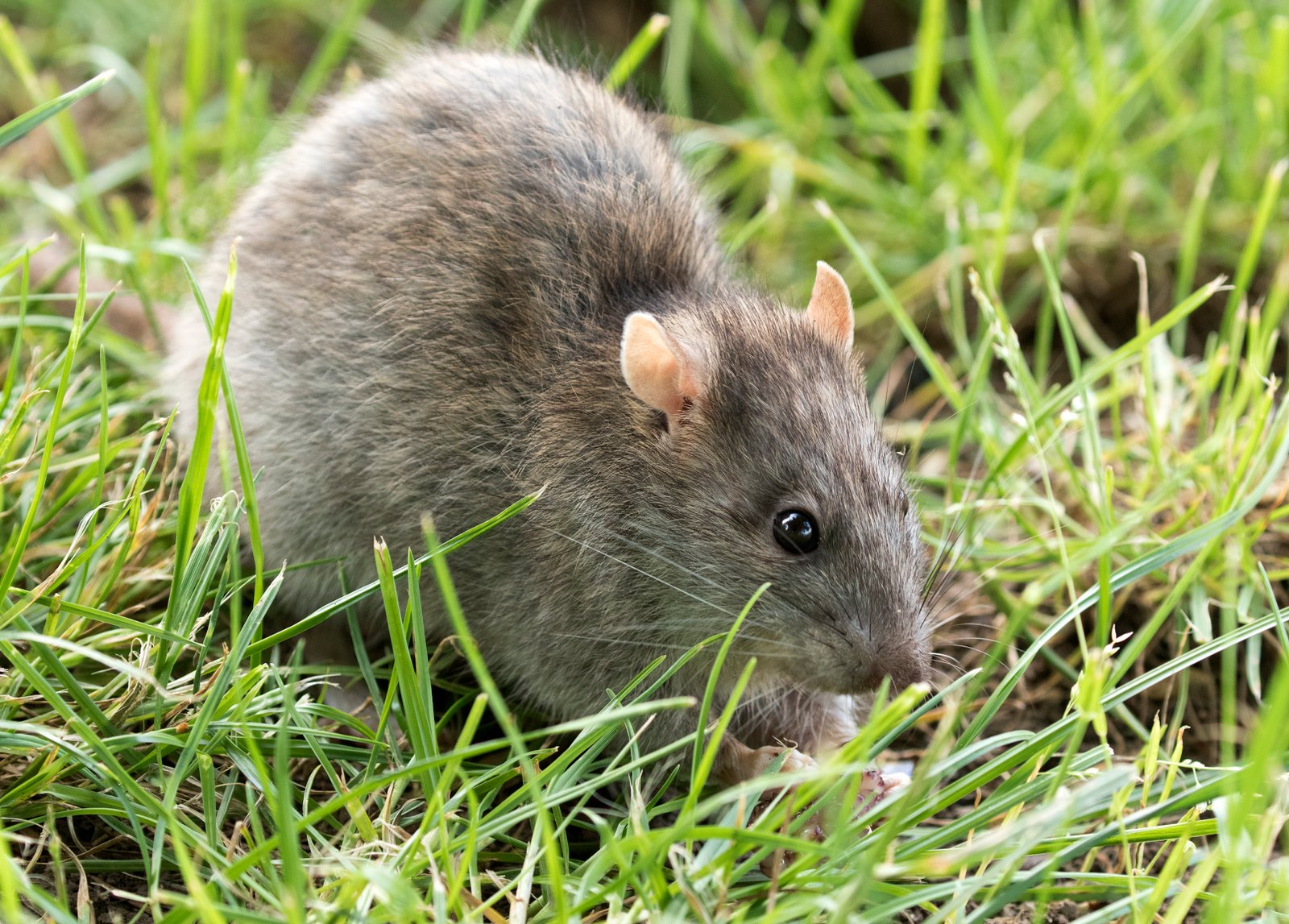
Brown Rat (Norway Rat)

Heavier, with a blunt snout and a tail shorter than its body. Burrows at ground level: subfloors, drains, compost bays and under slabs.

House mouse on a white background

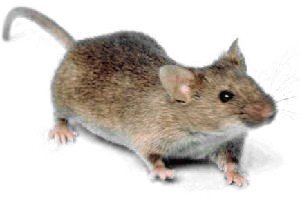
House Mouse

Small enough to use gaps around the width of a pencil. Stays close to food in kitchens, pantries and wall cavities. Mice control →

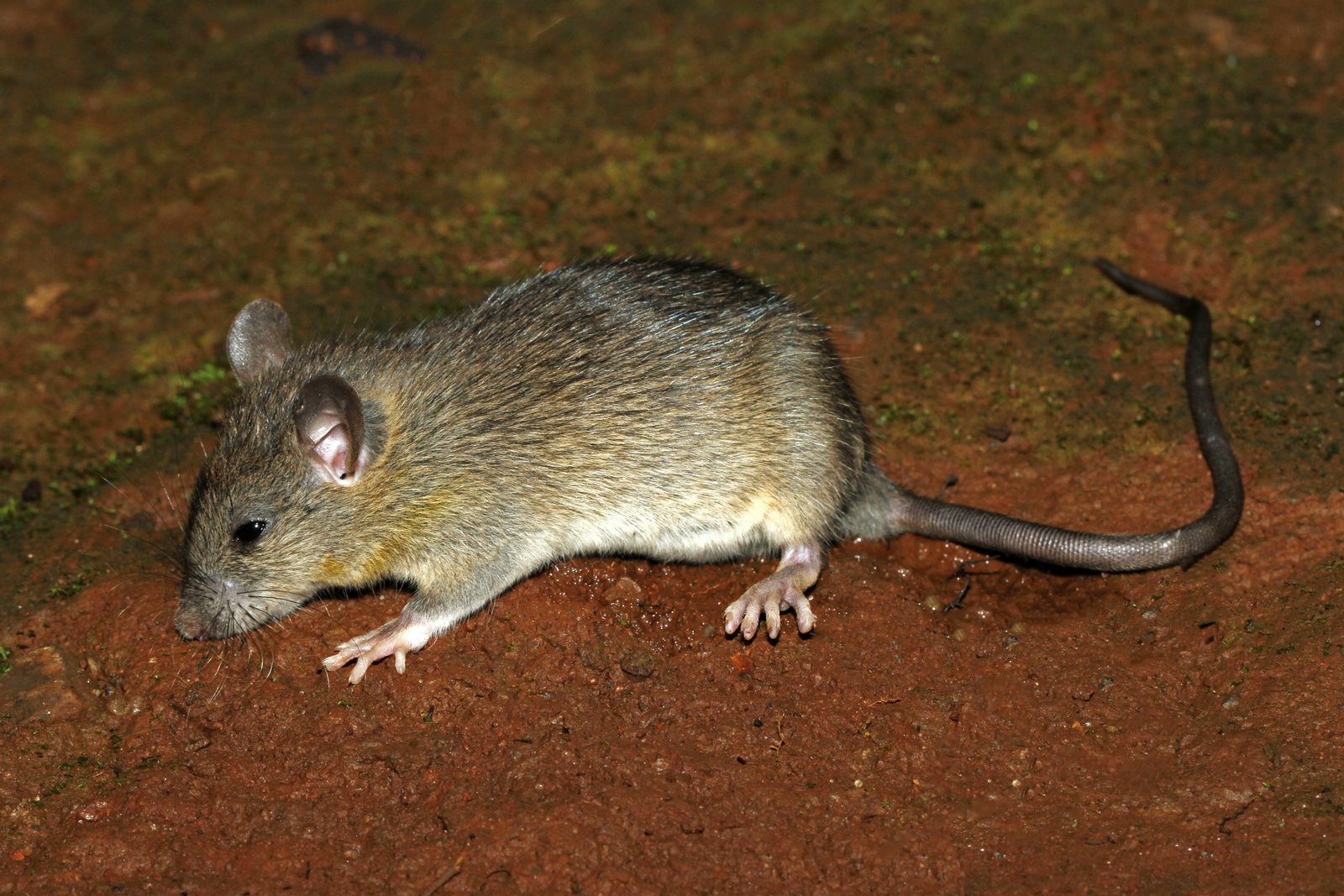
Native Australian bush rat

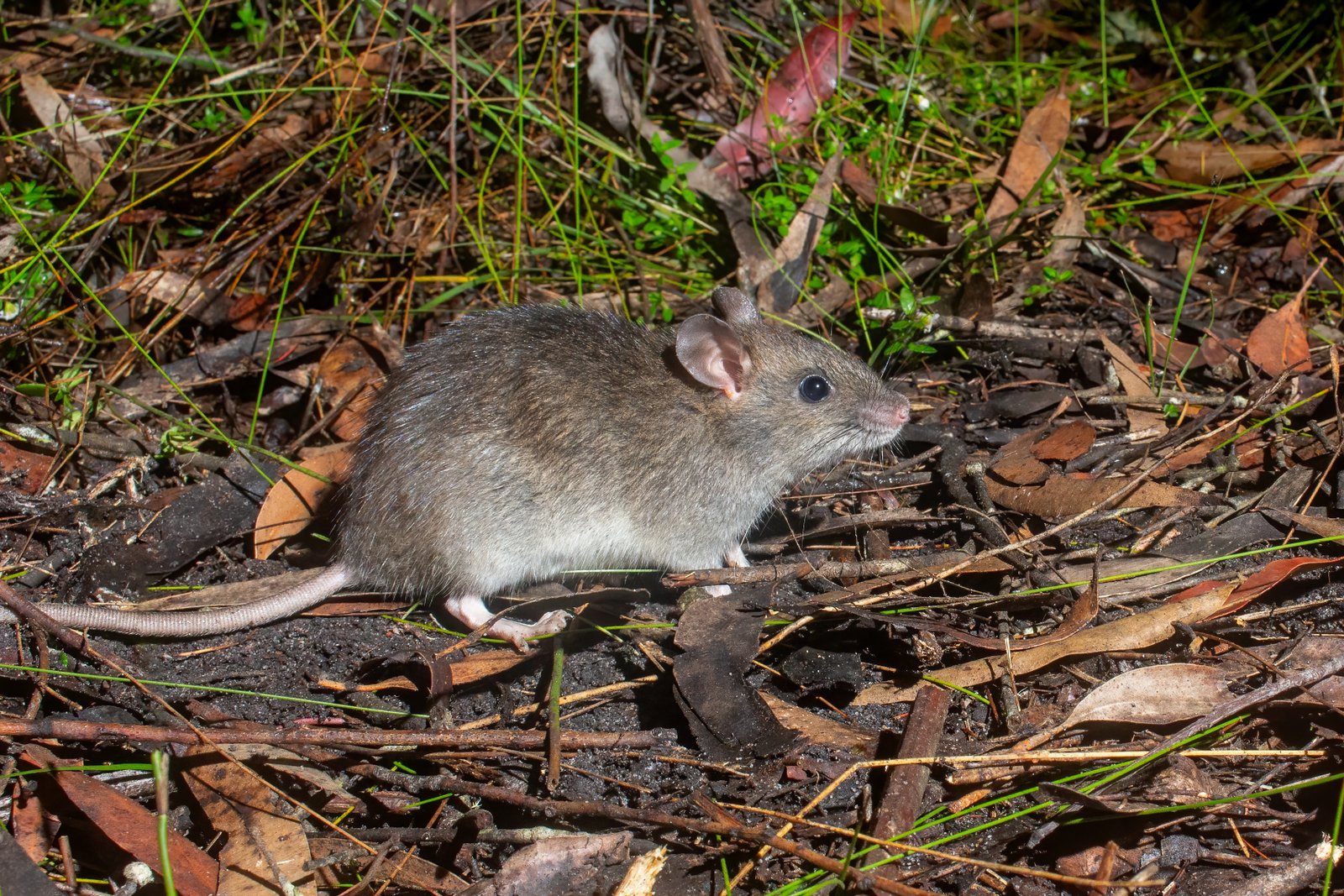
Native Bush Rat

A native animal found near bushland reserves. It is protected in NSW, so correct identification comes before any treatment decision.

RATS OR MICE?

Rats vs Mice: How to Tell the Difference

Most people never get a clear look. These are the clues our technicians use instead.

ClueRatsMice
DroppingsLarger, capsule-shaped pellets, often found in groups along a runSmall rice-grain droppings scattered widely, including inside drawers and cupboards
NoiseHeavier thumping or dragging in the roof, usually after darkLight, fast scratching and scurrying in walls and ceilings
Where you find signsRoof void, eaves, subfloor, garden beds, under decksKitchen, pantry, behind the fridge and stove, bottom drawers
Entry gapsAround 12 mm or larger, and they can gnaw it biggerAround 6 mm, roughly the width of a pencil
DamageGnawed cabling, downpipes, irrigation and fruit in the gardenChewed packets, nibbled food and shredded paper for nests
BehaviourWary of new objects, so they take longer to visit a stationCurious, and investigate new objects quickly but feed in tiny amounts
Grease marksDark rub marks on beams, rafters and entry holesFaint marks, rarely noticed

Still not sure? Our guide to rats vs mice in the roof has more detail, or book an inspection and we will confirm it on site.

DON'T WAIT FOR IT TO GET WORSE

Scratching in the roof? Find out what it is today.

Talk to a licensed Sydney technician today — honest advice and a fixed quote within 30 minutes.

WHY IT MATTERS

What Rodents Cost a Household or Business

01

Health Risks

NSW Health lists leptospirosis, lymphocytic choriomeningitis virus, rat bite fever and gastro infections such as salmonellosis among diseases linked to rodents.

02

Wiring & Fire Risk

Rodents gnaw constantly to wear down their teeth. Cabling, gas and water lines in roof voids are common casualties.

03

Contaminated Food

Urine and droppings on benches and packaging mean food has to be thrown out and surfaces disinfected.

04

Fast Population Growth

Both rats and mice breed several times a year, so a pair noticed in autumn can be a colony by spring.

OUR PROCESS

How a Rodent Program Runs

From working out what's in the roof to confirming it's gone.

01

Inspection & Identification

We check the roof void, subfloor, kitchen and perimeter for droppings, rub marks, nests and runways, and confirm whether it's rats, mice or both.

02

Choose the Program

Based on the species, the building and who lives there (children, pets, food handling), we recommend baiting, trapping, proofing or a combination.

03

Place Stations & Traps

Lockable, tamper-resistant stations go on the runways we find, secured and out of reach, with trap placement where baiting isn't suitable.

04

Mark Entry Points

We show you the gaps, vents and penetrations rodents are using and quote to seal them, or explain how to do it yourself.

05

Follow-Up & Monitoring

Stations are checked and topped up, activity is recorded and the program is scaled back once feeding stops.

CHOOSING A PROGRAM

Baiting, Trapping, Proofing or Monitoring?

No single method suits every building. This is how we decide what goes where.

MethodHow it worksBest forWatch-outs
Baiting in lockable stationsRodenticide blocks secured inside tamper-resistant stations on active runwaysRoof voids, subfloors and outdoor perimeters with established activityNot ideal where a carcass in a cavity would cause odour problems
TrappingSnap or enclosed traps set along walls and runways, checked on a scheduleKitchens, pantries, food businesses and small indoor populationsNeeds regular checking and correct placement to work
ProofingSealing gaps, vents, weep holes and pipe penetrations with rodent-resistant materialsEvery property, once active rodents are under controlDoesn't remove rodents already inside, so it follows treatment
MonitoringNon-toxic monitoring blocks or stations checked for gnawing and droppingsBusinesses, strata buildings and homes near reserves or waterwaysWorks best as an ongoing scheduled service

Why baiting often outperforms DIY snap traps in roof voids: read our explainer.

HOMES & BUSINESSES

Rodent Control for Homes and Businesses

Houses and terraces

Terraces in the Inner West and Eastern Suburbs often share roof voids and wall cavities with neighbours, so rodents move freely between homes. We focus on the roof void, subfloor and the gaps where services enter.

  • Roof void and eaves stations
  • Subfloor and garden perimeter
  • Proofing quote for entry points

Apartments and strata

Rats often live in bin rooms and basement car parks, and mice travel through service risers. Treating one unit rarely fixes it. A strata program covering common property usually does.

Food businesses

Standard 3.2.2 of the Food Standards Code requires food businesses to take all practicable measures to keep pests out. Restaurant programs use trapping in food areas, numbered stations elsewhere and a site plan for inspectors.

Warehouses and offices

Loading docks, pallet racking and ceiling spaces give rodents plenty of cover. Warehouse and office programs use perimeter stations and scheduled monitoring with reports.

FROM OUR JOBS

What a Rodent Job Looks Like

Photos from Elite rodent jobs across Sydney, not stock images.

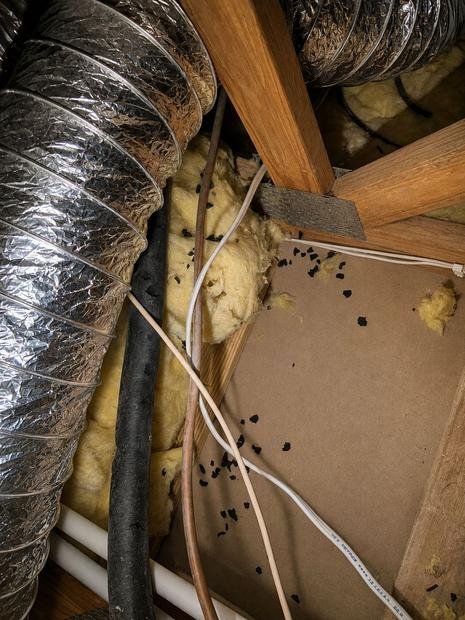
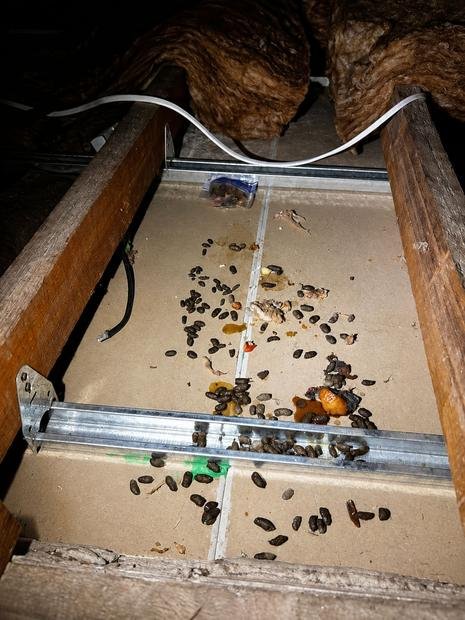
Rodent droppings through a roof void beside ducting

Droppings in the Roof Void

Droppings along ducting and ceiling joists show the runways rodents use, and that's where stations go.

Rodent activity and nesting found in a subfloor

Subfloor Nesting

Shredded insulation and nesting material under the floor is typical of ground-level rat activity.

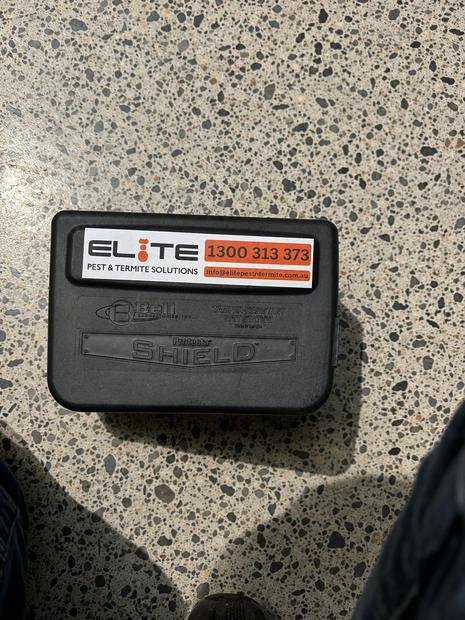
Elite-branded tamper-resistant rodent station in position

Lockable Stations

Stations are secured in position so bait can't be dragged out by rodents, pets or curious children.

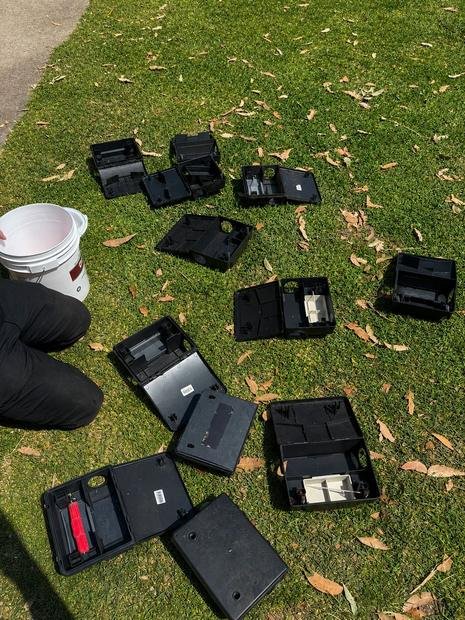
Technician servicing bait stations on a scheduled visit

Follow-Up Servicing

Checking feeding at each station tells us when the population is falling and when to scale back.

A NOTE ON RESPONSIBLE BAITING

Protecting Pets and Wildlife

Rodenticides are poisons, and how they are used matters. Australian research has found rodenticide residues in a high proportion of owls tested, including southern boobooks and powerful owls, which eat poisoned rodents. In March 2026 the APVMA moved to restrict second-generation anticoagulant baits to trained, licensed users and took them off retail shelves, citing risks to native wildlife.

That is why our programs lean on inspection, trapping where it makes sense, lockable stations, and proofing that reduces how much bait is needed at all. Every product is APVMA-registered and used to its label. For the details of each species, see rat control and mice control, and after a heavy infestation ask about pest disinfection of the roof void.

Reviewed by Ismail, Founder · NSW Pest Management licence 5122967 · Updated September 2026

WHY CHOOSE US

The Elite Pest Difference

Identify Before Treating

Rats, mice or a protected native? We confirm it on site before any bait goes down.

Lockable Stations Only

Tamper-resistant stations, fixed in place, away from children, pets and wildlife.

Licensed & Insured

NSW Pest Management licence 5122967 and APVMA-registered products used to label.

7am–9pm, Seven Days

Across 380+ Sydney suburbs, with a 24/7 line for urgent jobs.

SERVICE AREAS

Rodent Control Across Sydney

Local technicians servicing 380+ suburbs — fast.

FAQ

Rodent Control Questions, Answered

Everything you need to know before you book. Still unsure? Call us — we're happy to help.

Get a Free Quote
How much does rodent control cost in Sydney?

Rodent control starts from $89. The fixed price depends on whether it's rats, mice or both, how many stations the building needs, roof void and subfloor access, and whether you want entry points sealed. You get the price before we start, and any warranty or follow-up terms are confirmed in writing with the quote.

How do I know if I have rats or mice?

Droppings are the best clue. Mouse droppings are small and scattered, often in drawers and pantries. Rat droppings are noticeably larger and tend to be grouped along a run in the roof or subfloor. Heavy thumping at night points to rats, while light scratching inside walls is more typical of mice.

Is it better to bait or trap rodents?

It depends on the building. Baiting in lockable stations suits roof voids, subfloors and perimeters with larger populations. Trapping suits kitchens, food areas and homes where a rodent dying in a wall cavity would be a real problem. Many programs use both, with proofing to stop new rodents arriving.

Are rodent baits safe around children and pets?

Bait is only placed inside lockable, tamper-resistant stations fixed in position, and never loose in accessible areas. NSW Health advises keeping children and pets away from areas where baits are used, so we place stations in roof voids, subfloors and secured spots and tell you exactly where each one is.

Why do rodents come inside in autumn and winter?

As nights cool and outdoor food becomes harder to find, rats and mice look for warm, sheltered spots close to food, and roof voids and wall cavities fit that perfectly. Many Sydney homes notice scratching from late autumn onwards, which is a good time to proof gaps before activity builds.

How long does it take to get rid of rats or mice?

Most homes see activity drop within one to three weeks, depending on population size and how quickly the rodents take to the stations. Rats are naturally wary of new objects and can take longer than mice. Sealing entry points shortens the job and stops a new group moving in.

Will I have a dead rodent smell in the wall?

It can happen with baiting, although stations are placed to reduce the risk. If a smell would be a serious issue, such as in a bedroom wall or a food business, we lean on trapping inside and baiting outside or in the roof. If an odour does occur, we can help locate and remove the carcass where it is accessible.

Do you treat businesses as well as homes?

Yes. Restaurants, warehouses, offices and strata buildings get numbered tamper-resistant stations, a site plan showing where each device sits, and a written service report after every visit for audits and council inspections. Servicing can be scheduled outside trading hours. See our commercial, restaurant, warehouse and strata pages for how those programs work.

Can you seal the gaps rodents are using?

Yes. After identifying entry points, we can quote to proof them with materials rodents can't chew through, such as metal mesh, stainless steel wool and sealant around pipes, vents, weep holes and roof lines. Proofing is what stops a treated property from being reinfested.

What if the animal is a native bush rat or antechinus?

Native rodents and small marsupials such as antechinus are protected in NSW and must not be baited or trapped as pests. If we find a native animal, we will tell you and focus on sealing it out of the house rather than treating it.

FROM REAL JOBS

Recent Work

Photographs from Elite jobs across Sydney — not stock imagery.

RELATED SERVICES

We Also Handle

DON'T LET PESTS WIN

Got a pest problem? Let's solve it today.

Fast, friendly, fully insured technicians. No-obligation quote within 30 minutes.