★ 5.0 · Google Reviews Same-Day & 24/7 Emergency Service Pet & Child Safe Treatments Licensed & Insured · 6-Month Warranty 650+ Sydney Suburbs
CROWS NEST · 2065

Rodent Control in Crows Nest

Rodent Control in Crows Nest 2065 — local technicians, fixed prices and a written report. Rodent control starts from $89.

From $89 Rats & Mice Identified First Homes & Businesses
GOOGLE REVIEWS

Trusted by Sydney Homes & Businesses

Real, verified feedback from people we've helped — straight from Google.

5.0
Verified Google reviews
NSW Licence 5122967 5.0 Google Rating 650+ Sydney Suburbs Tamper-Resistant Stations 7am–9pm, Seven Days
YOUR AREA

Local Rodent Control for Crows Nest

Local technicians, fixed prices and a written report for every job in Crows Nest.

Crows Nest sits about 4.8 km north of the CBD in the Lower North Shore, and postcode 2065 is one we are in most weeks. Our technicians are through Crows Nest most days, so same-day attendance is usually available.

If you are near Secret Cove, Greenwood Plaza or Cammeray Golf Course, that is ground we cover constantly - it is the busiest part of Crows Nest for us.

North Sydney, Mosman, Willoughby, Lane Cove and Hunters Hill is the council area for Crows Nest, and we treat Cammeray, Naremburn and North Sydney on the same schedule. A lot of the housing here is older and close to the water, so sub-floors and lower levels hold damp - and damp is what keeps a population going.

What we see in Crows Nest is older homes near the water with a sub-floor that never fully dries. Describing it accurately when you book saves a second visit.

The rest of 2065 is covered too, including the pockets around St Leonards station and Sydney Harbour National Park.

Your appointment is confirmed the day before with a real arrival time. Because Cammeray and Naremburn are covered on the same round, 2065 often has an earlier slot available.

Postcode
2065
From the CBD
4.8 km north
Council area
North Sydney, Mosman, Willoughby, Lane Cove and Hunters Hill

Also covered near Crows Nest

OVERVIEW

Rodent Control Starts With the Right Rodent in Crows Nest

Rodents gnaw constantly to keep their incisors down, and in a Crows Nest roof void that means cabling. Chewed insulation on live wiring is a genuine fire risk and it is the reason we do not treat this as a nuisance problem.

Rats and mice need different station sizes, different bait and different placement. Droppings tell us straight away - mouse droppings are rice-grain sized, rat droppings are closer to a date stone. Getting it wrong on a Crows Nest job wastes the first fortnight.

Rodents stay where food is reliable. On a Crows Nest property that is usually the compost, the fruit tree or the pet bowl rather than anything inside the house.

  • Droppings, rub marks and damage tell us which species it is
  • Program chosen for the building, not a one-size bait drop
  • Lockable, tamper-resistant stations only
  • A fixed price from $89, confirmed before any work begins
Book Rodent Control

Get Your Free Quote

Tell us about it

Licensed & insured · Pet & child safe

Couldn't send just now — please call 1300 313 373.

Request received!

Thanks — we've got your details. A licensed Elite technician will call you back shortly with your free quote.

Or call now: 1300 313 373
WHO'S IN YOUR ROOF

The Rodents Found in Sydney Buildings in Crows Nest

Three introduced rodents cause almost every rodent job in Sydney. A fourth, the native bush rat, needs to be recognised and left alone.

Roof rat, also called the black rat

Roof Rat (Black Rat)

Slim, long-tailed and thin-eared. This is the one in the roof void, the wall cavity, the palm tree and the dense hedge. Rat control →

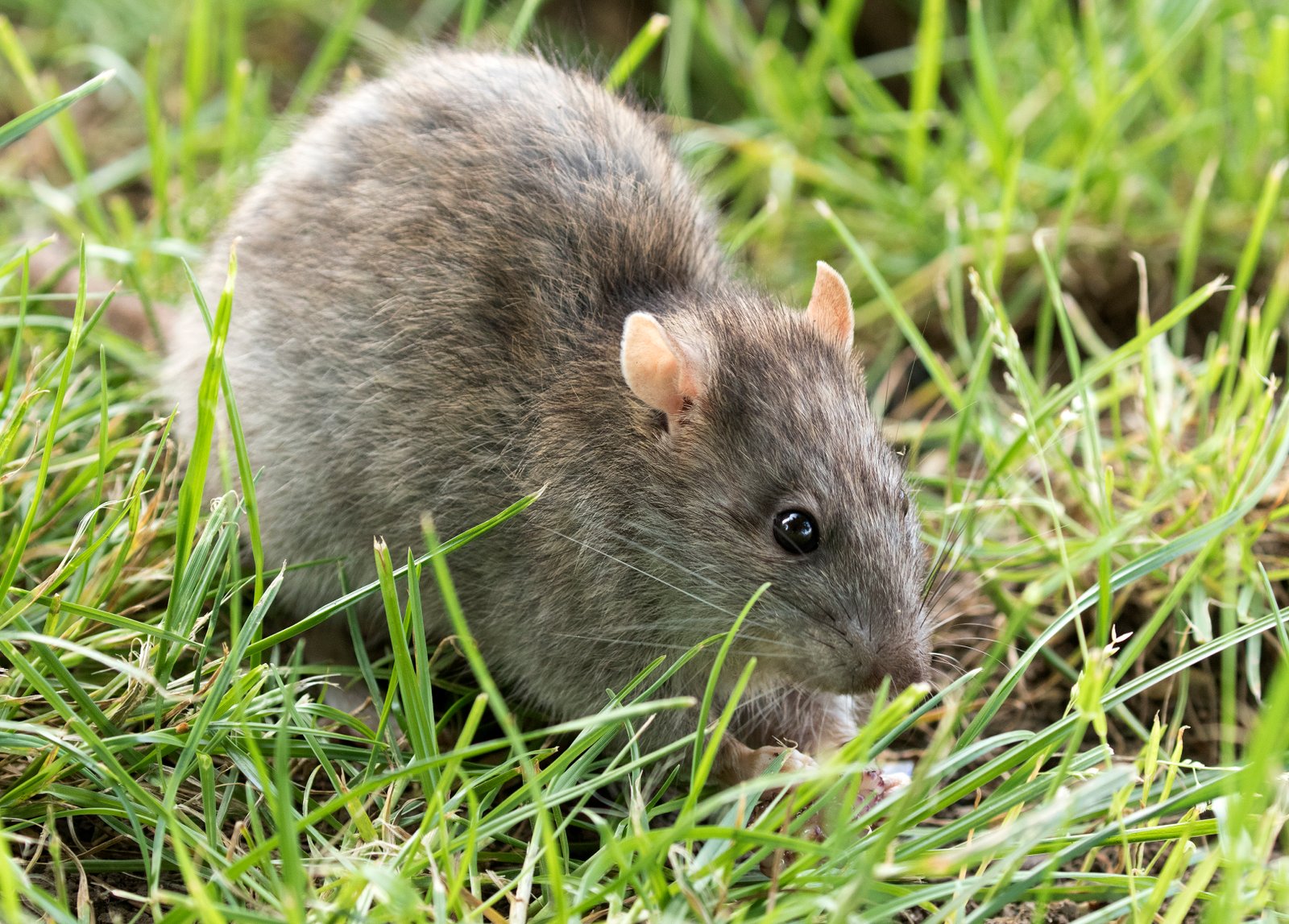
Brown rat, also called the Norway rat

Brown Rat (Norway Rat)

The heavier species: blunt snout, tail shorter than the body, and a burrowing habit that puts it in subfloors, drains, compost bays and beneath slabs.

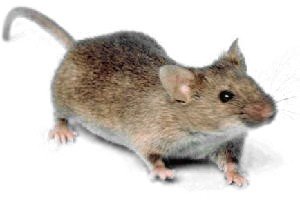
House mouse on a white background

House Mouse

Small enough for a six-millimetre gap, and it stays near food - kitchen, pantry, and the wall cavity behind. Mice control →

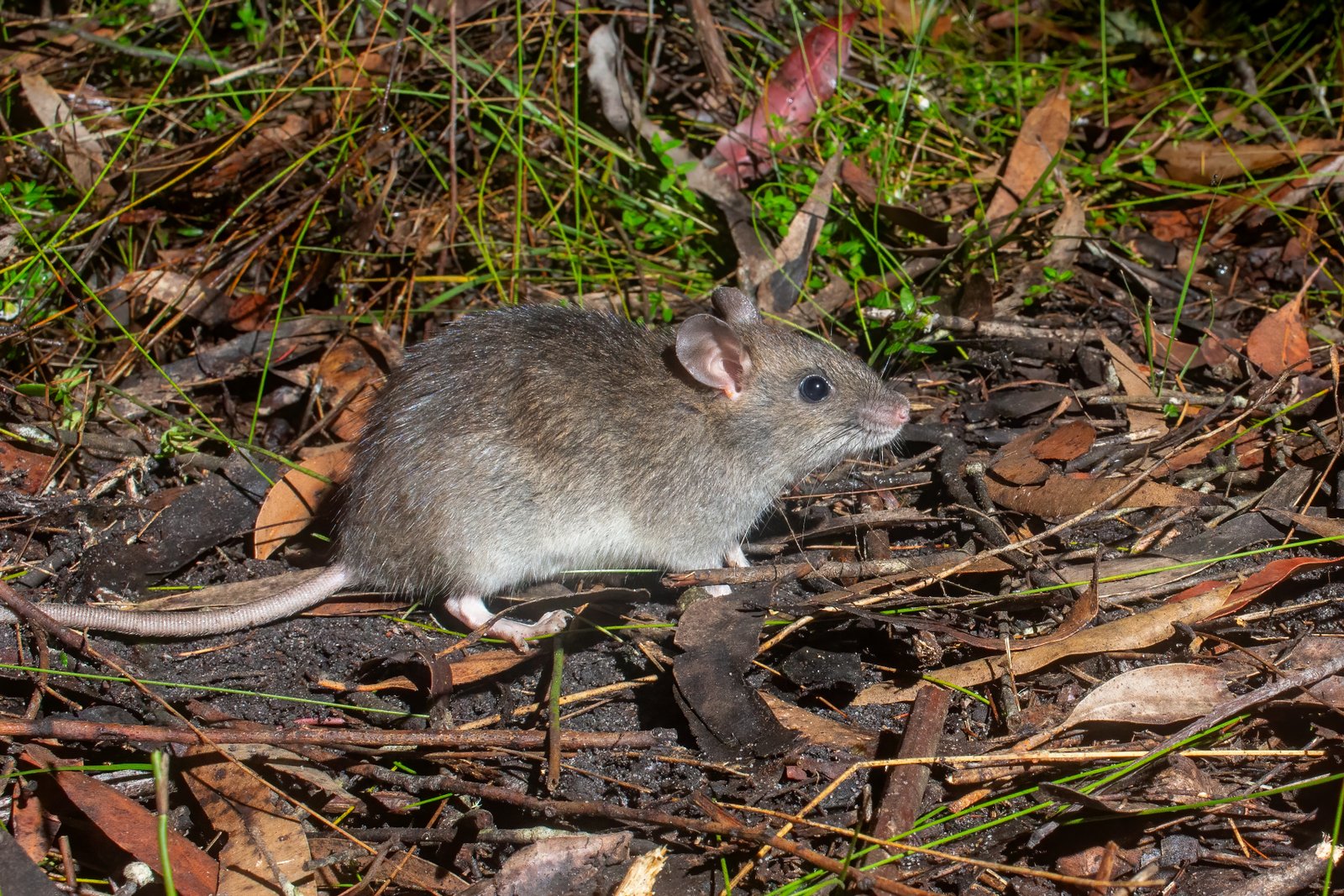
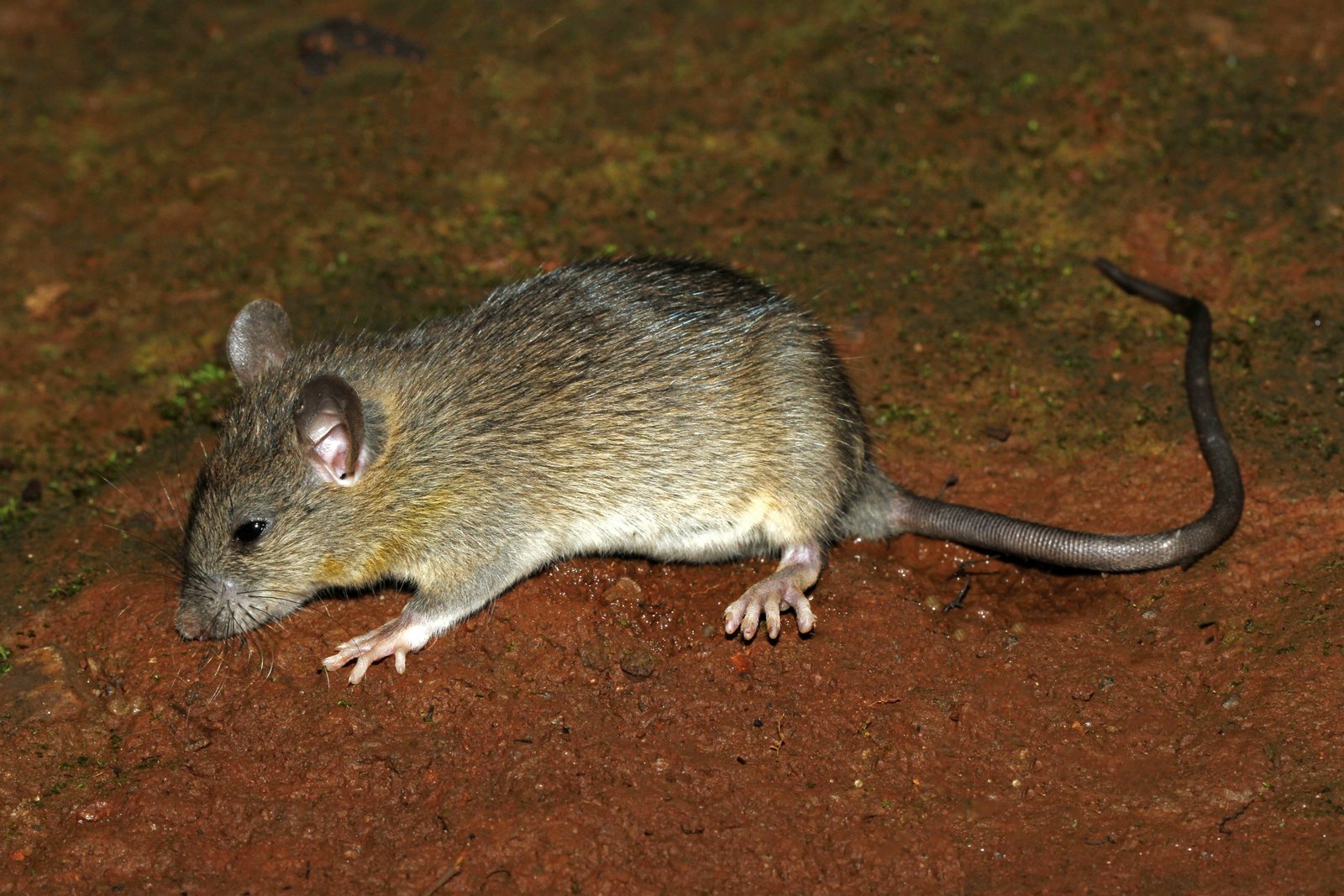
Native Australian bush rat

Native Bush Rat

A protected native species found close to bushland. Nothing is treated until we have confirmed this is not what we are looking at.

RATS OR MICE?

Rats vs Mice: How to Tell the Difference in Crows Nest

Most people never get a clear look. These are the clues our technicians use instead.

ClueRatsMice
DroppingsSizeable capsule-shaped pellets, typically grouped along a runwaySmall rice-like droppings spread widely, including in drawers and cupboards
NoiseA heavier thump or drag overhead, generally once it is darkQuick light scratching and scurrying inside walls and ceilings
Where the signs areThe roof void and eaves, the subfloor, garden beds and under deckingKitchen and pantry, behind the fridge and stove, and in bottom drawers
Entry gapAbout 12 mm or more, enlarged by gnawing where it is tighterAbout 6 mm - a pencil's width
DamageCabling, downpipes and irrigation gnawed, and fruit taken in the gardenPackets chewed open, food nibbled, paper shredded for nesting
How they behaveSuspicious of anything new, so a station takes time to get visitsInquisitive - they check a new object quickly, but only feed a little at a time
Rub marksDark greasy marks along beams, rafters and around entry holesVery faint, and usually missed

Still not sure? Our guide to rats vs mice in the roof has more detail, or book an inspection and we will confirm it on site.

DON'T WAIT FOR IT TO GET WORSE

Scratching in the roof? Find out what it is today.

Talk to a licensed Sydney technician today - honest advice and a fixed quote within 30 minutes.

WHY IT MATTERS

What Rodents Cost a Household or Business in Crows Nest

01

Health Risks

Leptospirosis, lymphocytic choriomeningitis virus, rat bite fever and gastro infections such as salmonellosis all appear on the NSW Health list of rodent-linked diseases.

02

Wiring & Fire Risk

Constant gnawing is how a rodent keeps its teeth in check. In a roof void that means cabling, gas and water lines take the damage.

03

Contaminated Food

Where urine and droppings have reached benches or packaging, the food has to go and the surfaces need disinfecting.

04

Fast Population Growth

Several litters a year from both species means the two you saw in autumn have become a population by spring.

OUR PROCESS

How a Rodent Program Runs in Crows Nest

From working out what's in the roof to confirming it's gone.

01

Inspection & Identification

We go through the roof void, under the floor, the kitchen and the perimeter looking for droppings, rub marks, nests and runways - and confirm the species.

02

Choose the Program

The species, the building and the household - children, pets, whether food is handled - decide whether we recommend baiting, trapping, proofing or some combination.

03

Place Stations & Traps

We secure tamper-resistant stations on the located runways, out of reach, and trap instead in any area where baiting would not suit.

04

Mark Entry Points

We show you the gaps, vents and penetrations rodents are using and quote to seal them, or explain how to do it yourself.

05

Follow-Up & Monitoring

Return visits check feeding, top up bait and record activity, and the program winds down when the feeding does.

CHOOSING A PROGRAM

Baiting, Trapping, Proofing or Monitoring?

No single method suits every building. This is how we decide what goes where.

MethodHow it worksBest forWatch-outs
Baiting in lockable stationsBlocks of rodenticide secured in tamper-resistant stations on live runwaysEstablished activity in roof spaces, subfloors and around the perimeterNot the right choice if odour from a carcass in a wall would be an issue
TrappingSnap traps or enclosed traps placed along walls and runways and checked on scheduleKitchens and pantries, food premises, and small indoor numbersOnly works if placement is right and the traps are checked regularly
ProofingSealing every gap, vent, weep hole and pipe penetration with rodent-resistant materialsEvery building, once activity has been brought downSeals them out, not in - so treatment has to come first
MonitoringNon-toxic blocks or stations, inspected for gnaw marks and droppingsCommercial sites, strata buildings and homes backing onto reserves or waterMost useful run as a scheduled ongoing service

Why baiting often outperforms DIY snap traps in roof voids: read our explainer.

HOMES & BUSINESSES

Rodent Control for Homes and Businesses in Crows Nest

Houses and terraces

In Inner West and Eastern Suburbs terraces the roof void and wall cavities often run between properties, letting rodents move at will. Roof void, subfloor and service entry points are where we work.

  • Stations set in the roof space and eaves
  • The subfloor and the garden perimeter
  • A proofing quote covering the entry points

Apartments and strata

Rats often live in bin rooms and basement car parks, and mice travel through service risers. Treating one unit rarely fixes it. A strata program covering common property usually does.

Food businesses

Standard 3.2.2 of the Food Standards Code sets the obligation: all practicable measures to keep pests out. Restaurant programs use trapping in food handling areas, numbered stations elsewhere, and a documented site plan.

Warehouses and offices

There is cover everywhere in a warehouse - the dock, the racking, the ceiling space. Warehouse and office programs run perimeter stations with scheduled monitoring and written reports.

FROM OUR JOBS

What a Rodent Job Looks Like in Crows Nest

Photos from Elite rodent jobs across Sydney, not stock images.

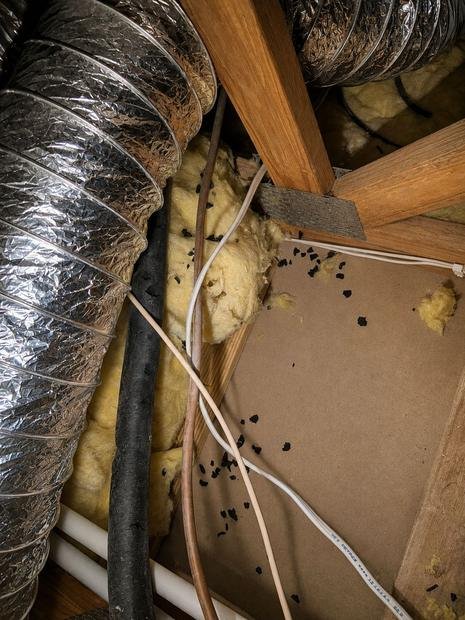
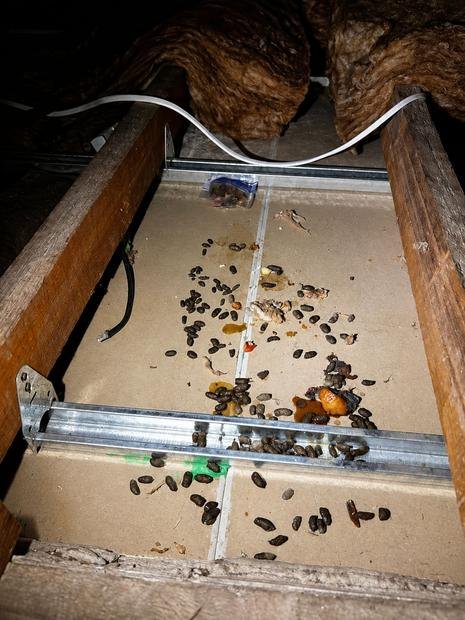
Rodent droppings through a roof void beside ducting

Droppings in the Roof Void

The droppings trace the runway along ducting and joists, and stations go on the runway rather than anywhere convenient.

Rodent activity and nesting found in a subfloor

Subfloor Nesting

Nesting material and torn-up insulation under the floor is what ground-dwelling rats leave behind.

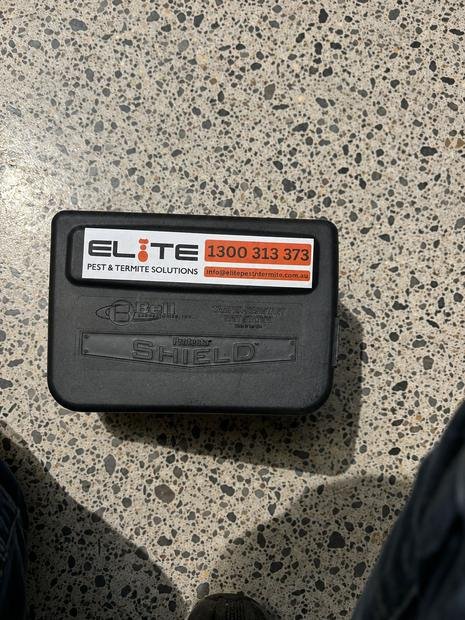
Elite-branded tamper-resistant rodent station in position

Lockable Stations

Secured in position and lockable, so the bait stays inside regardless of rodents, pets or children.

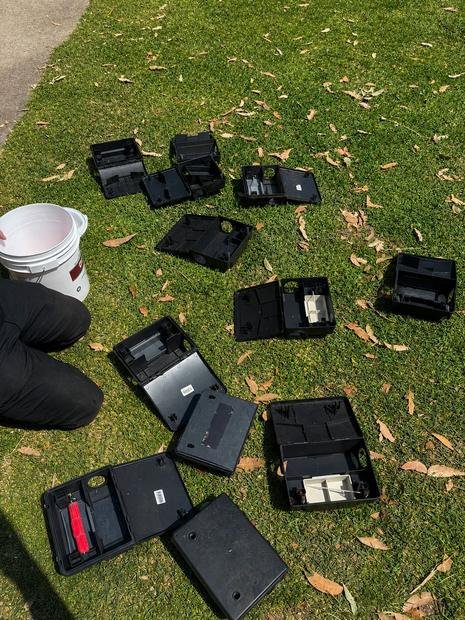
Technician servicing bait stations on a scheduled visit

Follow-Up Servicing

Reading the feeding at each station is how we know the population is dropping and when to wind the program back.

A NOTE ON RESPONSIBLE BAITING

Protecting Pets and Wildlife in Crows Nest

Roof rats travel along branches and power lines and enter at the eaves. Cutting back the branch touching a Crows Nest roof removes the bridge entirely.

A female mouse can produce a litter every three weeks, and those young breed at six weeks. A single pair in a Crows Nest roof in March is a serious population by June, which is why waiting rarely works out.

The skeleton of a rodent is far more flexible than it looks. If the skull fits, the animal follows, which is why the gap around a pipe penetration in a Crows Nest wall is a genuine entry point rather than a detail.

WHY CHOOSE US

The Elite Pest Difference in Crows Nest

Identify Before Treating

Rats, mice or a protected native? We confirm it on site before any bait goes down.

Lockable Stations Only

We use tamper-resistant stations exclusively, fixed in place and positioned away from children, pets and wildlife.

Licensed & Insured

We hold NSW Pest Management licence 5122967, and every product is APVMA-registered and used to label.

7am–9pm, Seven Days

Right across 650+ suburbs of Sydney, with an urgent line running 24/7.

FAQ

Rodent Control Questions, Answered

Everything you need to know before you book. Still unsure? Call us — we're happy to help.

Get a Free Quote
How much does rodent control cost in Crows Nest?

Rodent control starts from $89. There is no call-out charge in Crows Nest 2065. The final number comes down to the property itself, and it is fixed before we begin. Every general treatment carries a 6-month warranty.

How quickly can you get to Crows Nest?

At roughly 4.8 km north of the city, Crows Nest is on a route we run regularly. Same-day attendance is usually available. You will be given a time, not a window.

Why do rats and mice keep coming back in Crows Nest?

Harbourside blocks are often steep, with the lower level cut into the slope. Those lower levels stay cool and damp, which is where we usually find rats and mice.

What kind of buildings do you work on around Crows Nest?

Period homes and converted apartments with original timber, sub-floors and established gardens, all of which get inspected.

Do you treat units and rentals in Crows Nest?

Yes. Houses, townhouses, units, strata common property, rentals and commercial sites in Crows Nest 2065 are all part of what we do, and the paperwork is the kind agents accept.

Is the treatment safe around children and pets?

Yes. The products are registered for this use and applied at label rates, and placement keeps them away from where children and animals go. Let us know at booking about pets, fish tanks or anyone with asthma and we will plan the visit around it.

Do we have to go out while you work?

Usually not. Most of the work is done with you in the house, and where a room does need to be clear it is for a short period we will tell you about on arrival.

How long does the treatment take?

Allow an hour to two hours for most properties. A bigger building, or one where the problem has spread, takes longer - and we would rather tell you that when quoting than rush it.

Is there a warranty if they return?

Every general treatment carries a 6-month warranty. Ring us if activity picks up again inside that period and we will arrange the return.

Which areas around Crows Nest do you cover?

We do. Crows Nest and Cammeray, Naremburn, North Sydney and Wollstonecraft are all on the same route, which helps if you own more than one property in the area.

FROM REAL JOBS

Recent Work

Photographs from Elite jobs across Sydney — not stock imagery.

RELATED SERVICES

We Also Handle

DON'T LET PESTS WIN

Got pests? Let's get it sorted today.

Fast and fully insured, with a no-obligation quote back to you within 30 minutes.