
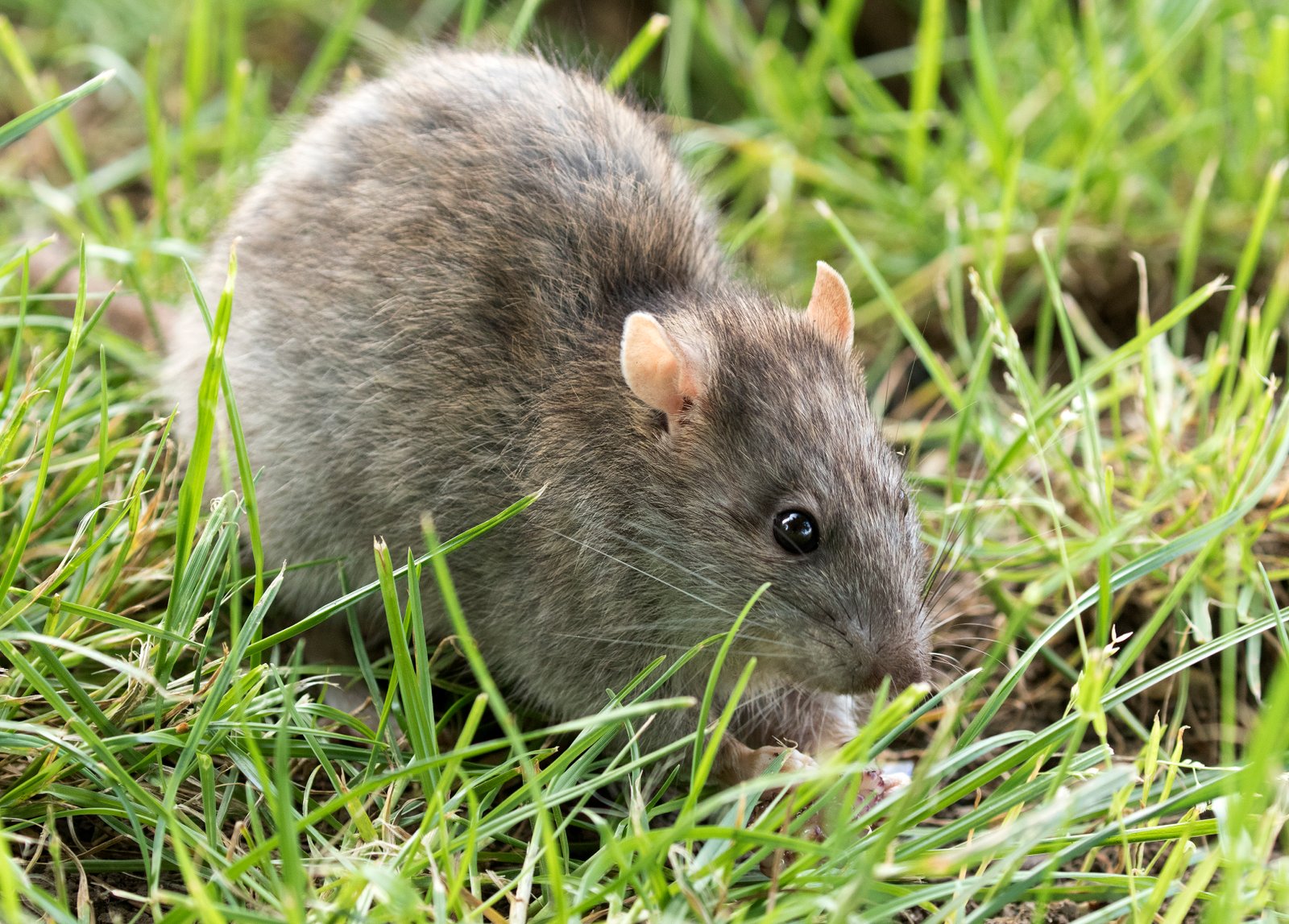
The honest version: rodents come back when the cause is left in place. What follows covers how to tell what you are dealing with, what a licensed technician will actually do about it, realistic Sydney prices, and the prevention that makes the result hold. General treatments start from $89 with a 6-month warranty.
- The part most people get wrong
- What to look for
- When rodents are worst in Sydney
- What you are paying for
- How to prepare for the visit
- The safety question, answered properly
- Doing it yourself: the honest version
- Commercial and common-property situations
- Is this urgent?
- What to check before you book
- Keeping it gone
- Frequently asked questions
The part most people get wrong
Most of the cost in dealing with rodents comes from doing it twice. Getting the identification and the source right the first time is what makes the difference between one treatment and a recurring expense.
So the sequence matters: identify, locate, treat the source, then close the conditions. Skip a step and you are paying again within weeks.
Key points
- Early action is consistently cheaper than waiting for certainty.
- Identify the species before treating - the right product depends on it.
- Treat the source, not the sightings: the nest or harbourage is the target.
- A fixed quote should come before any work starts.
We set out the full process, timelines and warranty terms under the rodent control page.
What to look for
Before numbers become obvious there is almost always a quieter stage. What to look for:
- Scratching, gnawing or scurrying overhead in the roof space after dark.
- A persistent sharp ammonia smell in a pantry, roof void or under a sink.
- Greasy rub marks along a regular run between a gap and a food source.
- A pet fixated on one point of a wall, cupboard or appliance.
- Disturbed pet food, birdseed or compost overnight.
One of these on its own may mean nothing. Two or more in the same area is worth a professional look, and it is better not to disturb the site before someone has seen it.
If you are not certain which pest you are dealing with, everything we treat lists what we treat and the signs that point to each.
When rodents are worst in Sydney
Rodent calls across Sydney rise sharply in autumn, as cooling weather and shorter days push animals indoors to shelter and breed. Roof voids are the usual destination. Numbers persist through winter and drop over summer as food becomes available outside, which makes late summer the right time to proof a building before the move indoors begins.
That pattern is why timing a treatment well can do more than increasing the dose.
What you are paying for
The work is more methodical than most people expect, and very little of it involves a spray wand. The sequence:
- Inspect and identify. Confirm the species, locate nests and harbourage, and note the conditions sustaining them.
- Treat the source. Match the method to the species and place it in the harbourage rather than across open surfaces.
- Allow the method to run. Expect a timeline rather than an instant result, and avoid adding anything of your own in the meantime.
- Close the conditions. Identify and remove what caused it, otherwise the treatment is only a reset.
The work is logged, and if covered pests return inside the warranty period we come back at no charge.
There is a fuller explanation of what the treatment involves, including what is and is not included.
How to prepare for the visit
Nothing elaborate, but these few things genuinely affect how well it works:
- Clear a path to the roof void or subfloor access if there is one.
- Arrange for pets to be out of the way for a couple of hours.
- Put food, utensils and pet bowls away or in sealed containers.
- Cover or move fish tanks and turn off their air pumps.
- Vacuum carpets and hard floors, then empty the vacuum outside.
The main thing afterwards is not to clean the treated surfaces for about a week. That one habit undoes more treatments than anything else.
The safety question, answered properly
This is the most common question we get, and the answer is yes - with the important qualifier that it depends on correct application. The reasons it is safe:
- Fish tanks are covered and pet bowls and bedding moved before any treatment.
- Where a household has asthma, allergies or a newborn, the method is adjusted on request.
- Quantities are measured to the area rather than applied until the bottle is empty.
- You are given a specific re-entry time, usually just until treated surfaces are dry.
If anyone in the house has a specific sensitivity, tell us when you book - it changes which products we bring, not whether we can help.
You can see licensed and insured technicians and the qualifications behind the work.
Doing it yourself: the honest version
This is worth being straight about, because DIY is not always the wrong answer. It is the wrong answer once a population is established, for reasons that are fairly mechanical:
- Without identification there is no way to know whether it is working or just scattering.
- Repellent sprays can split colonies - with ants especially - turning one nest into several.
- Surface application misses the voids and cracks where the population actually lives.
- Guessing the species usually means the wrong product entirely.
If you have already tried something and it returned, that is the signal rather than a reason to try again harder.
The rest of what we handle is set out under the pest control services page.
Commercial and common-property situations
Once more than one occupier is involved, the job changes shape. The treatment may be similar; everything around it is not:
- Treatment of common property - risers, voids, bin rooms, roof spaces - not just individual lots.
- Coordination across multiple lots so the population cannot simply relocate.
- Food-safety alignment for kitchens, cafes and childcare premises.
- Scheduled servicing rather than reactive call-outs, with visit dates set in advance.
- Written service reports an auditor or committee can follow.
For a food business in particular, pest records are among the first things an inspector asks for - which makes the documentation as valuable as the treatment.
In a commercial kitchen the same problem becomes a compliance issue, and kitchen and food-area servicing covers the servicing and records involved.
Is this urgent?
A fair question, and the answer is genuinely "it depends". Move quickly if:
- It is a food business, childcare centre, medical premises or aged care.
- The species is one capable of a medically significant bite.
- You have found live termite activity in or against the building.
- Anyone in the household has a known allergy to stings.
Outside those, a booking in the next few days is generally fine. Waiting a month is where it starts getting more expensive.
If your suburb is not mentioned above, the suburbs on our run will confirm whether we are out that way.
What to check before you book
This is a licensed trade, so there are specific things you are entitled to ask:
- Confirm they hold current public liability insurance.
- For termite work, ask whether you receive a written timber pest report.
- Check whether a follow-up visit is included or charged separately.
- Ask for the technician's NSW pest management licence number, not just the company name.
- Ask which method they intend to use and why that one.
If someone will not put the quote or the warranty in writing, that is your answer.
That is worth checking before you book anyone, including us - who actually turns up covers our licensing, insurance and how long we have been doing this.
Keeping it gone
Treatment resets the problem. Prevention is what keeps it solved, and most of it is maintenance rather than pest control:
- Store food, birdseed and pet food in sealed hard containers.
- Fit door brush seals and repair damaged weep-hole screens.
- Pick up fallen fruit and turn compost often.
- Keep bins closed, clear of the wall and emptied regularly.
- Remove nesting cover such as stacked timber, pot piles and dense groundcover.
Even a couple of these makes a measurable difference, particularly anything involving moisture.
Households that would rather not think about it tend to move to an ongoing residential service, which catches problems at the point they are still small.
Questions we get asked
What will treating rodents cost?
Starting prices are $89 for a general treatment and $159 for an inspection with a written report. Anything larger is quoted on inspection rather than over the phone. The quote is fixed, so the invoice matches what you were told.
Should I block the holes straight away?
Proofing is the only permanent part of rodent work, so yes - but the order matters. Seal too early and you trap animals inside. A technician will clear the void first, then advise which gaps to close and with what.
How can I keep rodents away long term?
Maintenance rather than pest control: fix the water, close the gaps, cut the food supply and reduce clutter where things can shelter. Households that would rather not think about it move onto a regular program instead.
Can you come today?
Usually within a day or two, and same-day where there is a safety issue - a sting allergy in the household, young children with access, or live termite activity. We quote most jobs in about thirty minutes over the phone.
Will a supermarket spray work?
It is worth a try for a one-off sighting and generally a waste of money beyond that. Concentrations are lower, residual life is shorter, and surface application misses the voids where the population actually lives.
What qualifications do your technicians hold?
Licensed and insured, and happy to show either. If you are comparing quotes, ask each company for the licence number of the person actually attending rather than just the business name.
I am renting - whose responsibility is this?
For renters, report it to the agent in writing promptly, since that is often what decides responsibility. In a unit block the source is frequently outside your lot, and treating your own apartment repeatedly will not fix a population living in common property.
Is the treatment safe for children and pets?
Yes - and if anyone in the household has asthma, allergies or there is a newborn, tell us when booking and the technician adjusts the method. Re-entry is normally once treated surfaces have dried, and you are told the exact time on the day.
Dealing with rodents right now?
Licensed, insured and working across 650+ Sydney suburbs. You get a fixed price before anything starts, a 6-month warranty on general pest work, and a technician who explains what they found.