★ 5.0 · Google Reviews Same-Day & 24/7 Emergency Service Pet & Child Safe Treatments Licensed & Insured · 6-Month Warranty 650+ Sydney Suburbs
TAMARAMA · 2026

Rodent Control in Tamarama

Rodent Control in Tamarama 2026 — local technicians, fixed prices and a written report. Rodent control starts from $89.

From $89 Rats & Mice Identified First Homes & Businesses
GOOGLE REVIEWS

Trusted by Sydney Homes & Businesses

Real, verified feedback from people we've helped — straight from Google.

5.0
Verified Google reviews
NSW Licence 5122967 5.0 Google Rating 650+ Sydney Suburbs Tamper-Resistant Stations 7am–9pm, Seven Days
YOUR AREA

Local Rodent Control for Tamarama

Where Tamarama sits, who covers it and what it costs.

We treat rats and mice right across 2026. Tamarama is roughly 6.3 km south-east of the city, which puts it well inside the Eastern Suburbs run our technicians work. Our technicians are through Tamarama most days, so same-day attendance is usually available.

Around Tamarama we work the pockets near Tamarama Beach, Westfield Bondi Junction and Bondi Golf Course most often, so the van is rarely far away when a job comes in.

Under Waverley, Randwick and Woollahra, we cover Tamarama and Bondi, Bronte and Waverley alike. Salt air and sandy ground keep sub-floors damp here, and damp is what sustains a population.

Most Tamarama bookings come in as ground-floor units with a damp sub-floor, and houses where the garage sits below the living level. Say which one applies when you call 1300 313 373 and the technician will have the right products on the van.

Tamarama Park and Bronte-Coogee Aquatic Reserve are on the same round, which means every part of 2026 is within our area.

We confirm your slot the day before and arrive at a stated time. Bondi and Bronte sit on the same run, so earlier appointments in 2026 come up regularly.

Postcode
2026
From the CBD
6.3 km south-east
Council area
Waverley, Randwick and Woollahra

Also covered near Tamarama

OVERVIEW

Rodent Control Starts With the Right Rodent in Tamarama

Noise helps too. Mice scurry light and fast in wall cavities; rats are heavier and tend to run along ceiling joists. In Tamarama roofs we hear both.

Flattened or tunnelled insulation in a Tamarama ceiling is nesting, not storm damage. It is also where droppings and urine accumulate, which is the contamination issue.

Water pipes, downpipes, flexible gas lines and conduit all get gnawed. A small rodent problem in a Tamarama ceiling can become an expensive one through damage rather than numbers.

  • We confirm the species from the droppings, rub marks and damage found
  • We choose the program for your building instead of dropping bait by default
  • Tamper-resistant lockable stations, without exception
  • Fixed price from $89, confirmed before we start
Book Rodent Control

Get Your Free Quote

Tell us about it

Licensed & insured · Pet & child safe

Couldn't send just now — please call 1300 313 373.

Request received!

Thanks — we've got your details. A licensed Elite technician will call you back shortly with your free quote.

Or call now: 1300 313 373
WHO'S IN YOUR ROOF

The Rodents Found in Sydney Buildings in Tamarama

Three introduced rodents cause almost every rodent job in Sydney. A fourth, the native bush rat, needs to be recognised and left alone.

Roof rat, also called the black rat

Roof Rat (Black Rat)

The climber. Slim build, thin ears, and a tail that out-measures the body. Roof voids, wall cavities, palm trees and dense foliage are where it lives. Rat control →

Brown rat, also called the Norway rat

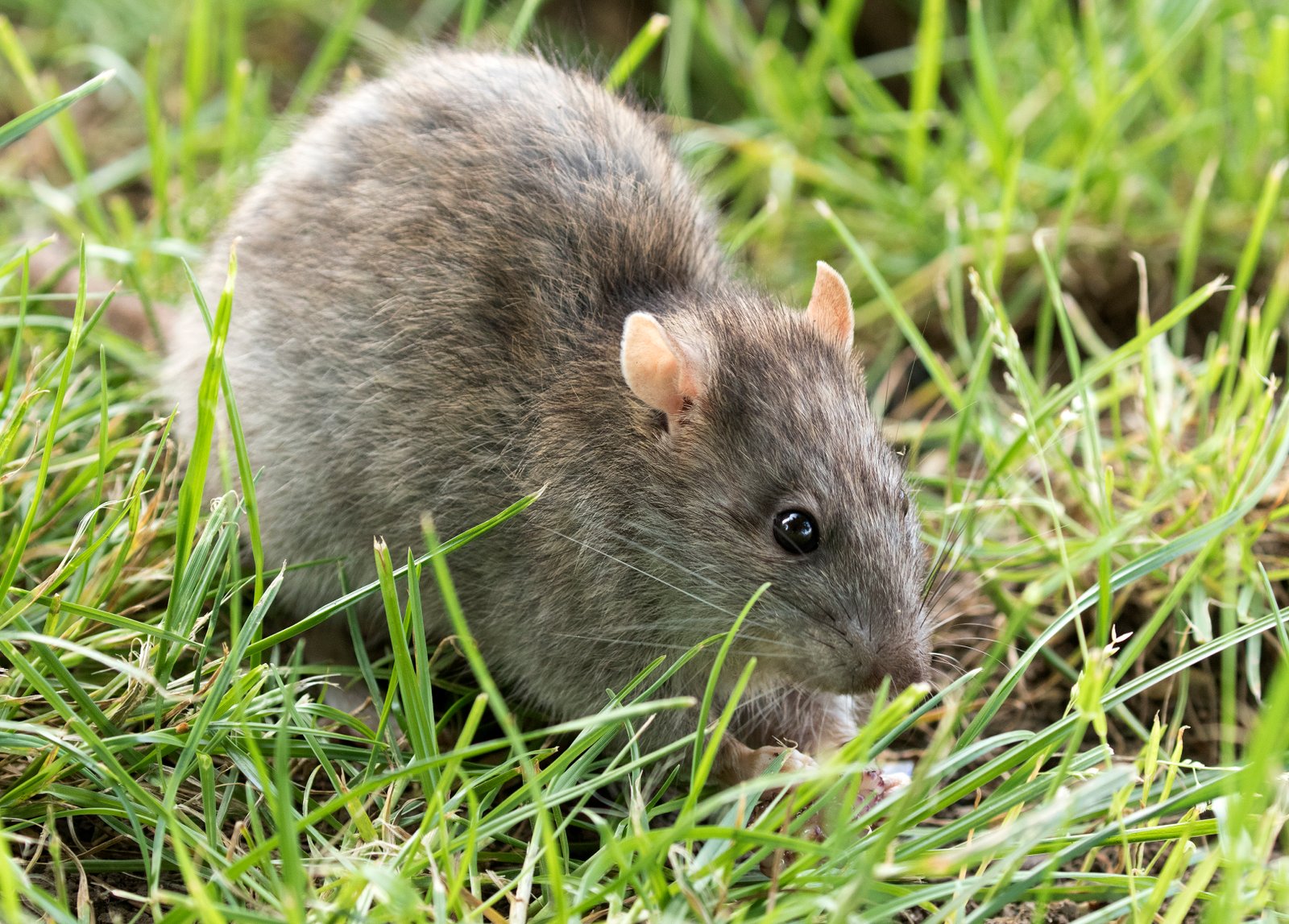
Brown Rat (Norway Rat)

The heavier of the two, with a blunt nose and a tail shorter than its body. It burrows at ground level - under the floor, in drains, compost bays and beneath slabs.

House mouse on a white background

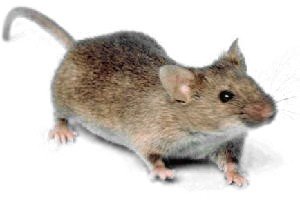
House Mouse

A pencil-width gap is all it needs, and it rarely moves far from the kitchen, pantry or the cavity alongside them. Mice control →

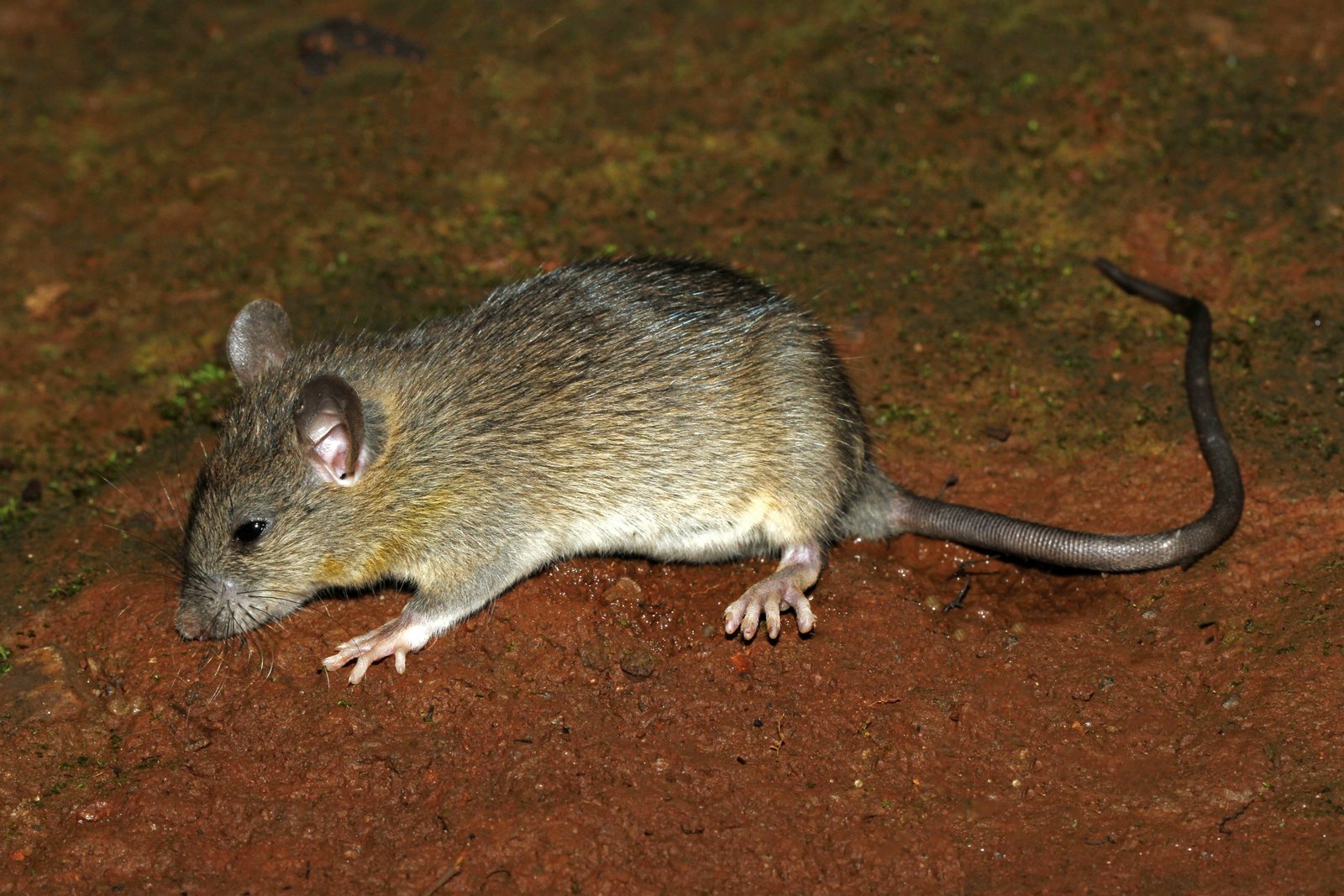
Native Australian bush rat

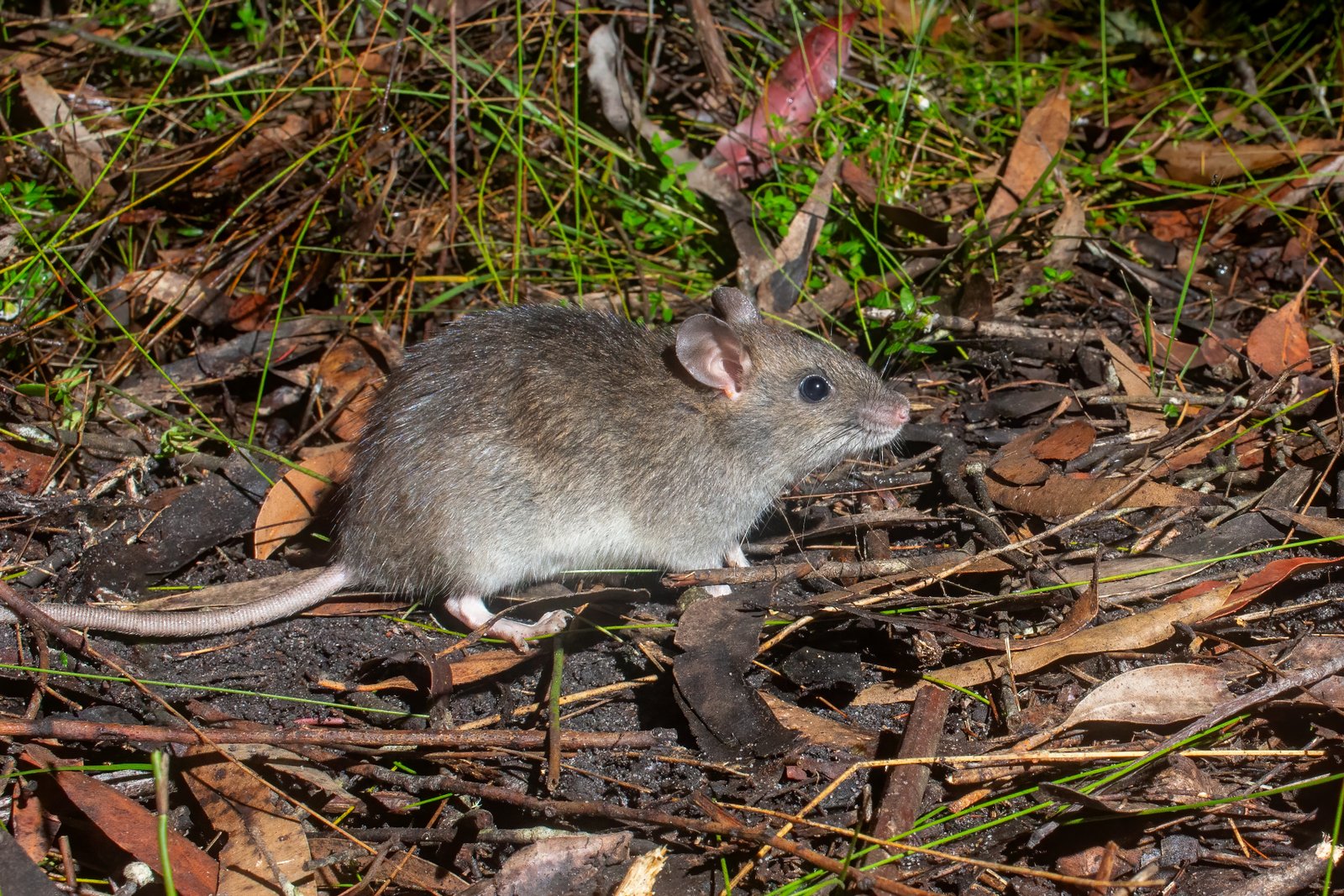
Native Bush Rat

This is a native animal with legal protection in NSW. Correct identification is not a formality here - it determines whether treatment is lawful at all.

RATS OR MICE?

Rats vs Mice: How to Tell the Difference in Tamarama

Most people never get a clear look. These are the clues our technicians use instead.

ClueRatsMice
DroppingsCapsule-shaped and clearly bigger, gathered along a runwayRice-grain pellets spread about widely, drawers and cupboards included
NoiseA heavier thump or drag overhead, generally once it is darkQuick light scratching and scurrying inside walls and ceilings
Where it shows upRoof void and eaves, subfloor, garden beds, underneath deckingKitchen and pantry areas, behind the fridge and stove, bottom drawers
Entry gaps12 mm or bigger, though they will chew a tighter gap open6 mm or so, about the width of a pencil
What they damageGnawed cables, downpipes and irrigation lines, plus garden fruitChewed packaging and nibbled food, with paper torn up for nests
Attitude to new thingsWary, so stations are not visited straight awayCurious, so stations get investigated fast - but each feed is tiny
Smear marksDark rubbing on beams, rafters and the edges of entry holesLight marks that are seldom noticed

Still not sure? Our guide to rats vs mice in the roof has more detail, or book an inspection and we will confirm it on site.

DON'T WAIT FOR IT TO GET WORSE

Scratching overhead? Find out what you are dealing with.

One call to a licensed Sydney technician gets you straight advice and a fixed quote within 30 minutes.

WHY IT MATTERS

What Rodents Cost a Household or Business in Tamarama

01

Health Risks

NSW Health lists leptospirosis, lymphocytic choriomeningitis virus, rat bite fever and gastro infections such as salmonellosis among diseases linked to rodents.

02

Wiring & Fire Risk

Because their incisors keep growing, they gnaw continually. Electrical cabling, gas and water lines in the roof are the common victims.

03

Contaminated Food

Where urine and droppings have reached benches or packaging, the food has to go and the surfaces need disinfecting.

04

Fast Population Growth

Several litters a year from both species means the two you saw in autumn have become a population by spring.

OUR PROCESS

How a Rodent Program Runs in Tamarama

From working out what's in the roof to confirming it's gone.

01

Inspection & Identification

We check the roof void, subfloor, kitchen and perimeter for droppings, rub marks, nests and runways, and confirm whether it's rats, mice or both.

02

Choose the Program

Three things decide it: which rodent, what sort of building, and who is in it - children, pets, food handling. From there it is baiting, trapping, proofing or a mix.

03

Place Stations & Traps

We secure tamper-resistant stations on the located runways, out of reach, and trap instead in any area where baiting would not suit.

04

Mark Entry Points

You get shown every gap, vent and penetration they are using, with a quote to seal them - or instructions if you would rather do it yourself.

05

Follow-Up & Monitoring

We return to check and refill the stations, record what activity there is, and wind the program back once feeding has stopped.

CHOOSING A PROGRAM

Baiting, Trapping, Proofing or Monitoring?

No single method suits every building. This is how we decide what goes where.

MethodHow it worksBest forWatch-outs
Baiting in lockable stationsBlocks of rodenticide locked inside tamper-resistant stations placed on live runwaysRoof voids, subfloors and outside perimeters where activity is establishedA poor choice where a carcass in a wall cavity would create an odour problem
TrappingSnap or enclosed traps along wall lines and runways, serviced on scheduleKitchens, pantries, food premises and small indoor populationsDepends on correct placement and being checked regularly
ProofingSealing every gap, vent, weep hole and pipe penetration with rodent-resistant materialsEvery building, once activity has been brought downSeals them out, not in - so treatment has to come first
MonitoringNon-toxic monitoring blocks or stations checked for gnawing and droppingsBusinesses, strata buildings and homes near reserves or waterwaysWorks best as an ongoing scheduled service

Why baiting often outperforms DIY snap traps in roof voids: read our explainer.

HOMES & BUSINESSES

Rodent Control for Homes and Businesses in Tamarama

Houses and terraces

A terrace usually shares structure with its neighbours, so rodents are rarely confined to one house. We target the roof void, the subfloor and the points where services penetrate.

  • Stations set in the roof space and eaves
  • The subfloor and the garden perimeter
  • A proofing quote covering the entry points

Apartments and strata

Rats favour bin rooms and basement car parks, mice the service risers. A one-unit treatment is rarely enough - the building needs a strata program.

Food businesses

Under Standard 3.2.2 of the Food Standards Code a food business must take all practicable measures to exclude pests. Restaurant programs trap in food areas, use numbered stations elsewhere, and come with a site plan for inspectors.

Warehouses and offices

Loading docks, pallet racking and ceiling spaces give rodents plenty of cover. Warehouse and office programs use perimeter stations and scheduled monitoring with reports.

FROM OUR JOBS

What a Rodent Job Looks Like in Tamarama

Photos from Elite rodent jobs across Sydney, not stock images.

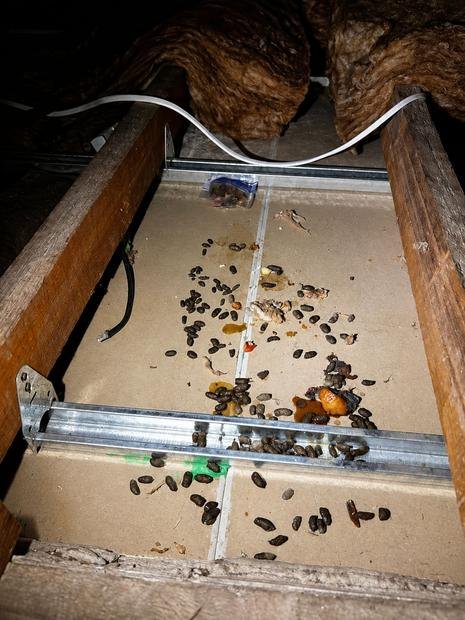
Rodent droppings through a roof void beside ducting

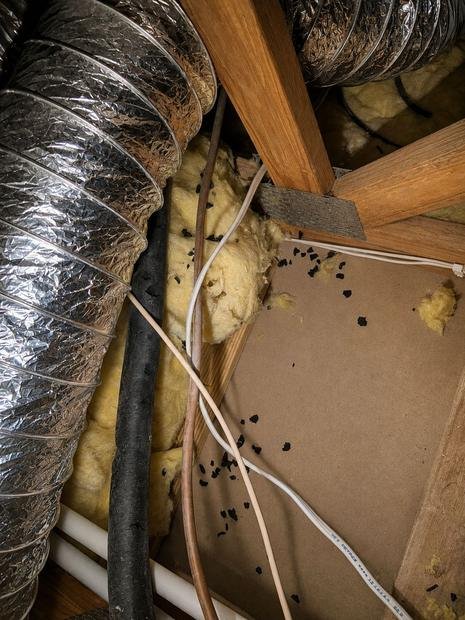
Droppings in the Roof Void

Ducting and ceiling joists with droppings along them mark the routes in use, and the stations follow those routes.

Rodent activity and nesting found in a subfloor

Subfloor Nesting

Shredded insulation and nesting material under the floor is typical of ground-level rat activity.

Elite-branded tamper-resistant rodent station in position

Lockable Stations

We fix every station down. That stops bait being dragged out by a rodent, a pet or a curious child.

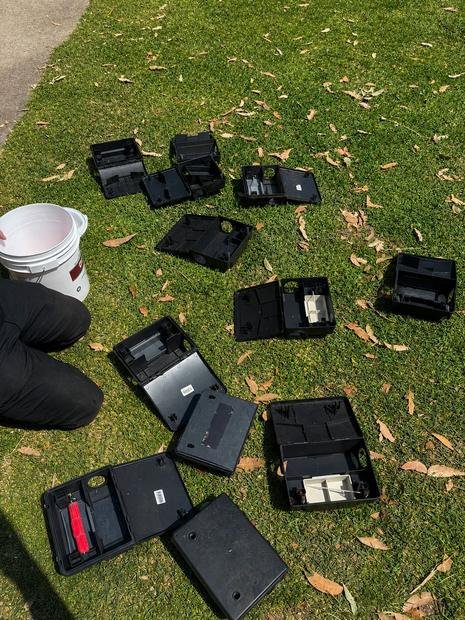
Technician servicing bait stations on a scheduled visit

Follow-Up Servicing

The feeding rate at each station tells us whether numbers are falling and when scaling back is appropriate.

A NOTE ON RESPONSIBLE BAITING

Protecting Pets and Wildlife in Tamarama

A female mouse can produce a litter every three weeks, and those young breed at six weeks. A single pair in a Tamarama roof in March is a serious population by June, which is why waiting rarely works out.

Rats are neophobic: anything new in their environment is avoided for days before it is investigated. That is why a baiting program in a Tamarama roof void is not judged on the first visit, and why moving stations around resets the clock.

A mouse gets through a gap the width of a pencil and a rat through one about the width of your thumb. Around Tamarama the usual ways in are weep holes, the gap under a roller door, and the hole a plumber cut and never sealed.

WHY CHOOSE US

The Elite Pest Difference in Tamarama

Identify Before Treating

Nothing is baited until we know what it is. Rats, mice and protected natives are not treated the same way.

Lockable Stations Only

Tamper-resistant stations, fixed in place, away from children, pets and wildlife.

Licensed & Insured

We hold NSW Pest Management licence 5122967, and every product is APVMA-registered and used to label.

7am–9pm, Seven Days

We cover 650+ Sydney suburbs, and there is a 24/7 line for anything urgent.

FAQ

Rodent Control Questions, Answered

Everything you need to know before you book. Still unsure? Call us — we're happy to help.

Get a Free Quote
What am I looking at for rodent control in Tamarama?

Rodent control starts from $89. The fixed price depends on the size of the property and how far the problem has spread, and we confirm it before we start - there is no call-out fee in Tamarama 2026. Every general treatment carries a 6-month warranty.

How quickly can you get to Tamarama?

Same-day attendance is usually available. We are about 6.3 km south-east of the city here, and Tamarama is covered by the Eastern Suburbs team.

Why do rats and mice keep coming back in Tamarama?

Coastal suburbs hold moisture. Sandy soil drains but the air does not dry out, so the conditions under a Tamarama house suit rats and mice nearly all year.

Is Tamarama mostly houses or units for this sort of work?

A mix of unit blocks and houses, most with a damp sub-floor or a ground level that sits low - and that is usually where we concentrate.

Can you do a rental or a strata property in Tamarama?

We do. A lot of our Tamarama work is rentals and strata, so the report, the products used and the areas treated are all recorded in writing for whoever needs them.

Is the treatment safe around children and pets?

Yes. Everything we use is registered for the purpose and applied at label rates, and we place product where people and animals do not go. Tell us about pets, aquariums or anyone with a respiratory condition at booking.

Do we have to go out while you work?

Normally you can stay. Some treatments mean keeping out of a particular room briefly, and we will flag that when we arrive so you can plan around it.

How long will the technician be on site?

Allow an hour to two hours for most properties. A bigger building, or one where the problem has spread, takes longer - and we would rather tell you that when quoting than rush it.

What happens if it is not fixed?

Every general treatment carries a 6-month warranty. If it is not holding, call us - that is exactly what the warranty is for.

Do you cover the suburbs around Tamarama too?

We cover the whole of Tamarama, from the streets around Bronte-Coogee Aquatic Reserve out to the suburb boundary and on into Bondi.

FROM REAL JOBS

Recent Work

Photographs from Elite jobs across Sydney — not stock imagery.

RELATED SERVICES

We Also Handle

DON'T LET PESTS WIN

Have a pest problem? Let's deal with it today.

Fully insured technicians who turn up when they say they will. Quote within 30 minutes, no obligation.