
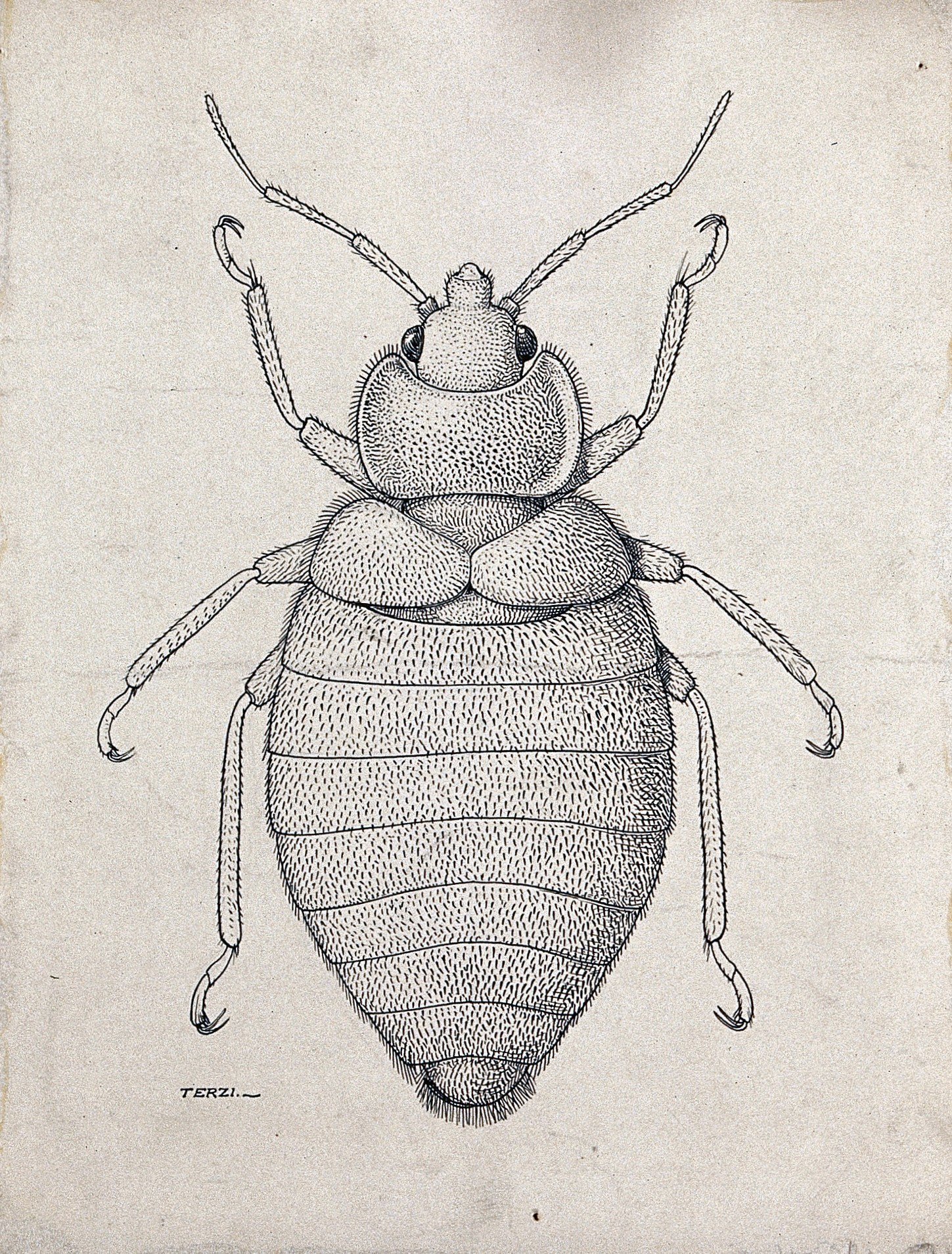
Getting rid of bed bugs properly means finding where they are living and breeding, treating that, and closing the conditions that invited them. This guide covers the signs, the treatment options, honest Sydney costs and the prevention that keeps it solved - written by the licensed technicians who do the work.
- Before you treat anything
- The early signs people miss
- Timing: when this peaks
- Which method suits which situation
- What to expect from the visit
- Preparation that makes it work better
- What it costs in Sydney
- Common missteps
- Myths worth dropping
- Why the same problem is treated differently next door
- How quickly do you need to act?
- Frequently asked questions
Before you treat anything
Almost every unsuccessful treatment starts the same way: the wrong product aimed at the wrong place. Bed bugs are not a single problem with a single answer - the species, the entry point and the conditions around the building all change what works.
So the sequence matters: identify, locate, treat the source, then close the conditions. Skip a step and you are paying again within weeks.
Key points
- Fix the conditions - moisture, food, entry points - or it returns.
- Early action is consistently cheaper than waiting for certainty.
- Identify the species before treating - the right product depends on it.
- Ask what the warranty covers and for how long.
We set out the full process, timelines and warranty terms under bed bug treatment.
The early signs people miss
The early evidence is usually subtle, and most of it is found in places nobody looks. Worth checking for:
- A sweet, cloying, faintly musty smell in a heavily infested room.
- Spotting on a wall or skirting immediately behind the bedhead.
- Bites in a line or small cluster on skin exposed while sleeping.
- Rusty smears on sheets where a fed bug has been crushed in the night.
- Activity that began within days of travel, a delivery or second-hand furniture.
Where several of these show up together, the population is established rather than passing through, and the treatment needed changes accordingly.
If you are not certain which pest you are dealing with, the full range of treatments we carry out lists what we treat and the signs that point to each.
Timing: when this peaks
There is no useful season with bed bugs, which is worth saying plainly because people often wait for one. Climate-controlled bedrooms mean a steady cycle year-round; the only pattern is in how they arrive, which follows travel and second-hand furniture rather than the weather.
Knowing where you are in that cycle explains a lot of what you are seeing, and it affects when treatment is most effective.
Which method suits which situation
There is rarely one correct method. What follows is what each approach does well and where it falls short:
| Method | Works well for | Limitations |
|---|---|---|
| Heat treatment | Penetrates furniture and bedding thoroughly | Specialist equipment; higher cost |
| Steam treatment | Kills eggs on contact; no residue | Labour-intensive; no residual protection |
| Mattress and base encasement | Traps survivors and simplifies monitoring | A control measure, not a treatment |
| Full chemical treatment of room | Treats bugs and residual harbourage | Needs preparation; usually a follow-up visit |
Most real jobs combine two of these rather than relying on one. If a quote only mentions a spray, it is worth asking what else is planned.
The method itself, product by product, is explained on our page about professional bed bug treatment.
What to expect from the visit
Knowing the shape of the appointment makes it easier to plan around. A standard visit runs roughly like this:
- First look. The technician inspects inside and out, confirms the species and shows you what they have found before anything is applied.
- Price confirmed. No work starts until you have agreed the price and know what it covers.
- Treatment. Allow an hour to two hours. You do not need to leave for most general work.
- What you are told. Re-entry time, what to expect over the next fortnight, the prevention that matters for your place, and the warranty in writing.
One thing worth knowing: with baiting and colony treatments, activity often rises briefly before it drops. That is the treatment working, not failing.
Preparation that makes it work better
A little preparation makes a measurable difference to the result, and none of it takes long:
- Cover or move fish tanks and turn off their air pumps.
- Put food, utensils and pet bowls away or in sealed containers.
- Tell the technician what you have already applied yourself.
- Clear a path to the roof void or subfloor access if there is one.
- Clear access to kickboards, under sinks and around appliances.
The main thing afterwards is not to clean the treated surfaces for about a week. That one habit undoes more treatments than anything else.
What it costs in Sydney
What follows is where pricing begins. An inspection sets the final number, but this is the honest bracket:
| Service | From | Notes |
|---|---|---|
| Bed bug treatment (per room) | from $280 | Usually includes a follow-up visit |
| Possum removal and proofing | from $250 | One-way exclusion, then sealing the entry |
| Flea treatment (internal) | from $160 | Preparation and vacuuming required beforehand |
| Termite treatment or barrier | quoted on inspection | Depends on construction, soil and extent of activity |
| Commercial program | quoted per site | Scheduled servicing with documented reports |
Two things worth asking any company: is the quote fixed, and what does the warranty actually cover. Ours is fixed, and general work is covered for six months.
If you want to see how the treatment is actually carried out, the bed bug treatment page walks through each stage.
Common missteps
Most of the difficult jobs we attend were straightforward a few weeks earlier. The usual reasons:
- Bagging up clothing and storing it in a wardrobe without laundering it.
- Using a supermarket spray, which scatters them deeper into cracks.
- Treating once and stopping, when a follow-up is almost always needed.
- Throwing out the mattress but leaving the bed frame and room untreated.
Mentioning what you have already applied saves time and avoids a product conflict.
Myths worth dropping
Some of these are harmless. Others actively cost people money, which is why they are worth correcting:
- One treatment is always enough. Eggs hatch after treatment, so a follow-up is normal and expected.
- Throwing out the mattress fixes it. They harbour in frames, bedheads, skirtings and furniture. Discarding the mattress alone does little.
- You can treat it yourself. Retail sprays scatter them deeper into cracks and are a common reason infestations persist.
- They carry disease. They do not transmit disease. The costs are sleep, skin reactions and replacement of furnishings.
It is worth a look through everything we treat, since what you are seeing may not be what you think it is.
Why the same problem is treated differently next door
The building matters as much as the pest. The same species is treated differently in a freestanding house, a unit and a terrace, mostly because of what a technician can reach:
- Townhouses. Common walls plus private courtyards, so internal and external work both matter.
- New builds. Tighter sealing helps, but landscaping against the slab and construction debris are common early problems.
- Older Sydney housing. Deeper gaps, timber framing and subfloor moisture raise both termite and rodent exposure.
- Commercial premises. Documentation, scheduling and after-hours access become part of the job.
If you are in a unit or a terrace and the problem keeps returning after treatment, the source is very likely not inside your own walls.
If you are in a unit rather than a house, how apartments are treated explains what can be treated inside your own lot.
How quickly do you need to act?
Not everything needs a same-day visit, and it is reasonable to want to know which this is. Treat it as urgent when:
- You have found live termite activity in or against the building.
- A tenancy, sale or inspection is imminent.
- Anyone in the household has a known allergy to stings.
- The species is one capable of a medically significant bite.
Where it is not urgent, we will say so rather than selling you a priority call-out.
We cover the whole basin rather than a few postcodes - the suburbs on our run has the full list.
Frequently asked questions
What do you charge for bed bugs in Sydney?
From $89 for general pest work in Sydney, and from $159 for a timber pest inspection. Termite barriers, baiting systems and commercial programs are priced after a site visit. Nothing is charged above the quoted figure without your agreement.
Will one treatment get rid of bed bugs?
Plan on two visits. The first treats the active population, the second catches what hatches afterwards. Treating once and stopping is the most common reason bed bug jobs fail, closely followed by moving to another bedroom and spreading it.
What prevents a repeat?
Maintenance rather than pest control: fix the water, close the gaps, cut the food supply and reduce clutter where things can shelter. Households that would rather not think about it move onto a regular program instead.
What if the problem is coming from next door?
In a tenancy it usually depends on whether the problem existed at the start of the lease and on the terms of the agreement - raise it with the agent in writing either way. In a strata building, anything in common property such as risers, voids and bin rooms is the owners corporation's responsibility.
Do you offer a warranty?
Covered pests returning within six months are re-treated free. Termite barriers and baiting systems have their own longer warranties, generally conditional on annual monitoring. You get the terms in writing on the day.
Are your technicians licensed and insured?
Licensed and insured, and happy to show either. If you are comparing quotes, ask each company for the licence number of the person actually attending rather than just the business name.
When should the bed bugs be gone?
For a general treatment you should see a drop within 24 to 72 hours. Where baiting is used it takes one to three weeks, because the aim is the colony rather than the foragers. A short increase in sightings early on means the bait is being taken.
Can you come today?
We cover Sydney regularly, so availability is normally a day or two out. Call 1300 313 373 and we will give you the next slot and a fixed price at the same time.
Get a fixed price on bed bugs
One call gets you a fixed price, usually inside 30 minutes. Licensed technicians, 650+ Sydney suburbs covered, child and pet-safe treatments, and a 6-month warranty on general work.