
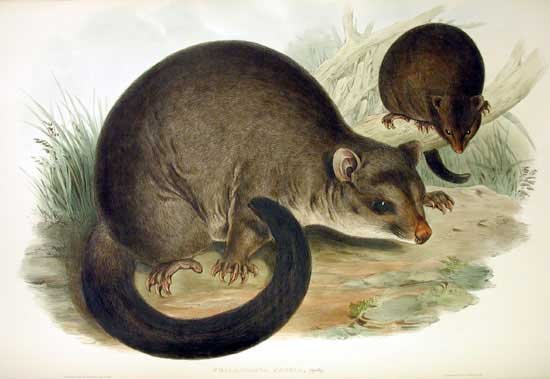
A possum in the roof is faster and cheaper to resolve when the treatment targets the source instead of the sightings. Below, Elite Pest's licensed Sydney technicians set out the signs worth acting on, which treatments actually work for possums, what it costs here, and how to stop it recurring. Fixed quote, usually within thirty minutes.
- What you are actually dealing with
- How to tell you have a problem
- Why they are in your home
- The cost of leaving it
- Which method suits which situation
- DIY or call someone?
- The things that set people back
- Setting a few things straight
- Why the same problem is treated differently next door
- Warranty and follow-up
- What to do once it is sorted
- Frequently asked questions
What you are actually dealing with
The useful question is not which spray to buy but where the population actually lives. With possums, what you see moving is a small fraction of what is there, and treating only that fraction is why problems come back.
That is why an inspection comes before any product. It establishes the species, how far the population has spread, and which conditions on the property are sustaining it.
Key points
- Treat the source, not the sightings: the nest or harbourage is the target.
- Identify the species before treating - the right product depends on it.
- Ask what the warranty covers and for how long.
- Fix the conditions - moisture, food, entry points - or it returns.
There is a fuller explanation of how possum removal works, including what is and is not included.
How to tell you have a problem
The early evidence is usually subtle, and most of it is found in places nobody looks. Worth checking for:
- Insulation flattened into a nest hollow in one corner of the roof void.
- Heavy thumping across the ceiling shortly after dusk and again before dawn.
- A strong lingering urine smell in a ceiling cavity.
- A worn, polished path along a fence, branch or downpipe to the roofline.
- Scratching or hissing and growling disputes in the roof space at night.
One of these on its own may mean nothing. Two or more in the same area is worth a professional look, and it is better not to disturb the site before someone has seen it.
It is worth a look through the full range of treatments we carry out, since what you are seeing may not be what you think it is.
Why they are in your home
Treatment deals with the population; this list is what decides whether it comes back. The usual contributors:
- A broken tile, lifted capping or gap at a soffit giving roof access.
- An undisturbed roof void with insulation suitable for a den.
- Fruit trees, vegetable beds and pet food available after dark.
- Branches, pergolas or downpipes bridging to the roofline.
- Compost or a bin that is easy to open.
A technician will walk you through whichever of these apply to your place as part of the visit.
The cost of leaving it
Possums are protected native animals, so this is a removal and exclusion job rather than a treatment. The costs are real nonetheless: soiled and compressed insulation, urine staining through ceilings, damaged roof components, chewed cabling, and sustained sleep disruption. Done incorrectly it is also an offence under New South Wales wildlife law.
Put plainly: the problem does not stay the same size while you decide.
We set out the full process, timelines and warranty terms under what the treatment involves.
Which method suits which situation
A technician chooses between these based on the species, the building and how established the population is:
| Method | Works well for | Limitations |
|---|---|---|
| Insulation clean-up | Removes soiling, smell and attraction for the next animal | Priced separately |
| Tree and access trimming | Removes the route to the roof | Often needs an arborist |
| Entry-point proofing | The permanent part of the job | Only once the roof is confirmed empty |
| One-way door exclusion | Lawful, humane; the animal leaves on its own | Takes days; proofing must follow |
When comparing quotes, compare methods rather than prices - that is normally where the difference sits.
The method itself, product by product, is explained on our page about professional possum removal.
DIY or call someone?
There is no sense paying for a call-out you do not need. But the reasons DIY fails on a real infestation are consistent:
- Repellent sprays can split colonies - with ants especially - turning one nest into several.
- Spraying over bait placements makes them unpalatable and wastes the treatment.
- Guessing the species usually means the wrong product entirely.
- Concentrations are lower and residual life shorter than professional-grade equivalents.
The rule of thumb: a single sighting, try it yourself. Recurring activity, structural risk, anything venomous, or a food business - get a licensed technician in.
The rest of what we handle is set out under the services we offer across Sydney.
The things that set people back
Things we routinely arrive to find, and what they cost:
- Repairing one gap and missing the others along the same roofline.
- Leaving branches touching the roof after sealing.
- Trapping and relocating, which is restricted in New South Wales and usually fatal to the animal.
- Doing nothing about the smell and soiled insulation after the animal leaves.
If you have already done one of these, say so when you book. It changes the approach rather than causing offence.
Setting a few things straight
The received wisdom on this is unusually wrong:
- A possum in the roof is harmless. Soiled insulation, ceiling staining, chewed cabling and lost sleep all carry a cost.
- They will leave on their own. A warm, dry, undisturbed roof void is better than anything outside. They stay.
- You can trap and release them elsewhere. Relocating a possum away from its home range is restricted in New South Wales and usually kills the animal.
- Seal the hole and the problem is gone. Sealing while an animal is inside traps it. Exclusion has to come first.
If you are not certain which pest you are dealing with, the pest control services page lists what we treat and the signs that point to each.
Why the same problem is treated differently next door
Two neighbours with identical problems can get quite different treatments, and the reason is usually construction rather than preference:
- Townhouses. Common walls plus private courtyards, so internal and external work both matter.
- Terraces and semis. Party walls and shared subfloors let populations travel; treating one side alone rarely holds.
- Apartments and units. Shared walls, services and risers mean the source is often outside your lot - partial treatment just moves it.
- Older Sydney housing. Deeper gaps, timber framing and subfloor moisture raise both termite and rodent exposure.
Where a building is shared, the honest advice is often to raise it with the owners corporation rather than treat your lot repeatedly.
The approach in a unit differs enough that we cover apartment pest control separately.
Warranty and follow-up
The warranty on general pest work runs six months. Covered pests returning in that time are re-treated free - no argument, no second call-out fee.
There are limits worth knowing rather than discovering later. The warranty covers the pests treated, not a new and different problem, and it assumes the prevention advice was followed - leaving an open food source or an unrepaired leak is outside it. Termite barriers and baiting systems carry their own separate terms, usually tied to annual monitoring.
It goes on the invoice, so there is no ambiguity about what was covered six months later.
The alternative to treating reactively is a regular residential program, timed around the seasons above.
What to do once it is sorted
This is the part that decides whether you see us again. None of it is complicated:
- Provide an alternative nest box in the yard before sealing the roof.
- Fit a one-way door so the animal leaves and cannot return, then seal.
- Secure compost and bins and bring pet food in overnight.
- Net fruit trees and vegetable beds.
- Repair broken tiles, cappings and soffits, but only once the animal is out.
The moisture items matter most. If you only do one thing, fix the water.
If this is the second or third time you have dealt with it, an ongoing residential service costs less over a year than repeated call-outs.
Questions we get asked
What do you charge for possums in Sydney?
From $89 for general pest work in Sydney, and from $159 for a timber pest inspection. Termite barriers, baiting systems and commercial programs are priced after a site visit. Nothing is charged above the quoted figure without your agreement.
Why can't the possum be taken somewhere else?
Relocating a possum away from its home range is restricted in New South Wales and usually kills the animal, so it is not an option. The lawful approach is a one-way door so it leaves on its own, then sealing the entry once the roof is confirmed empty. Baiting possums is illegal.
How soon can you get here?
Usually within a day or two, and same-day where there is a safety issue - a sting allergy in the household, young children with access, or live termite activity. We quote most jobs in about thirty minutes over the phone.
Do I need an inspection first?
For general pest work the inspection happens as part of the visit and is not charged separately. For anything termite-related it is essential and is the deliverable in its own right, because the report determines the treatment and gives you a written record.
Do we need to leave the house during treatment?
It is safe when applied correctly, which is most of what a licence is for. Baits and dusts go where children and pets do not reach, fish tanks are covered and pet bowls moved. For general treatments you do not need to leave the property.
How quickly will I see a difference?
Most households notice a difference in the first few days, with the full effect over one to three weeks depending on the method. If nothing has changed by the timeframe your technician gave you, call us - that is what the warranty is for.
What qualifications do your technicians hold?
Yes - every technician holds a current NSW pest management licence and we carry public liability insurance. You are entitled to ask any operator for both, and it is worth doing. Ours are available on request.
What prevents a repeat?
Remove the food, remove the water, seal the gaps and keep vegetation off the walls. Of those, moisture matters most - fixing a leak or clearing a gutter prevents more problems than any spray. A scheduled annual service catches anything that slips through.
Get a fixed price on possums
We treat possums across 650+ suburbs of Sydney. Fixed quote up front, licensed and insured technicians, child and pet-safe application, and general treatments backed for six months.