
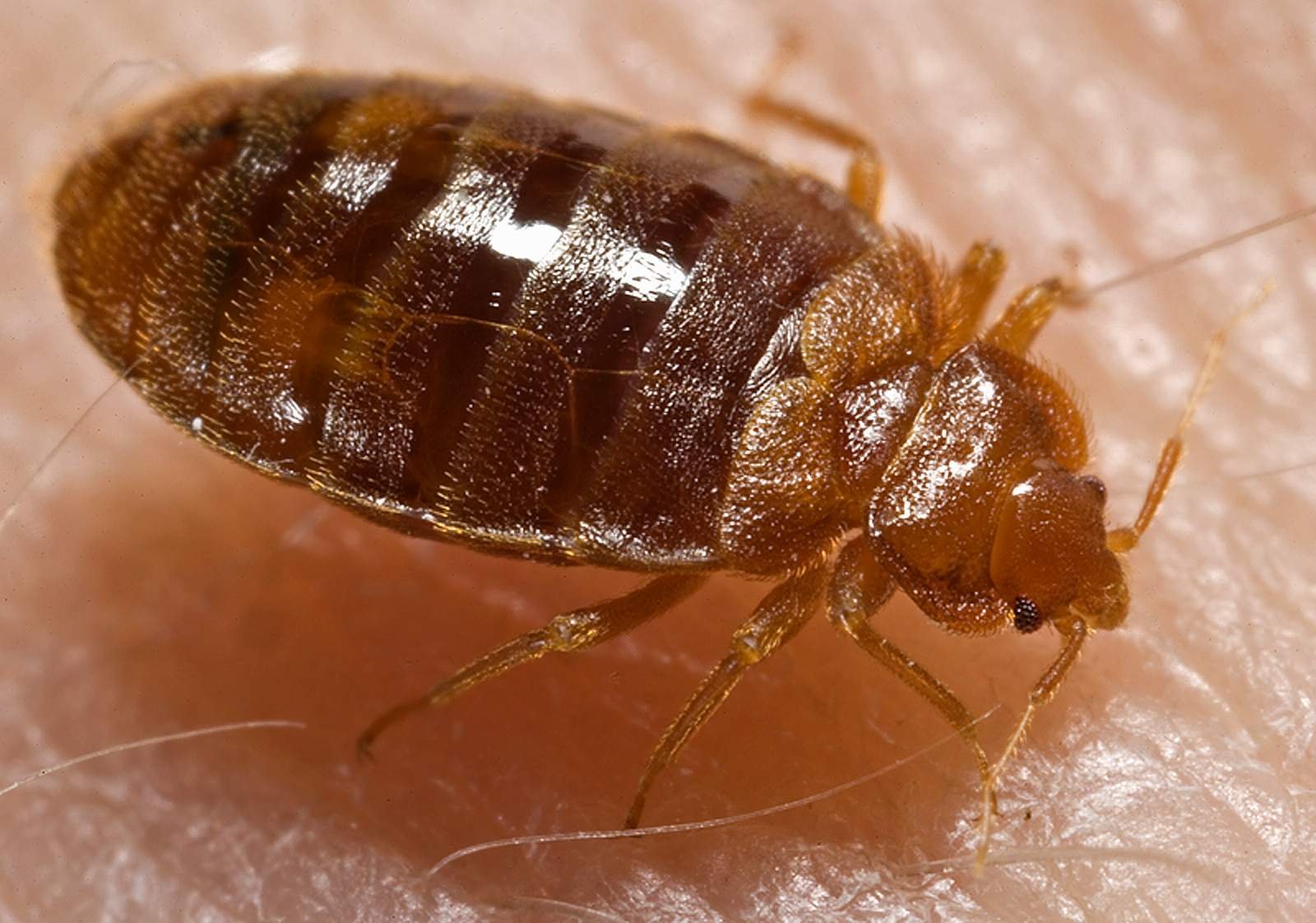
The honest version: bed bugs come back when the cause is left in place. What follows covers how to tell what you are dealing with, what a licensed technician will actually do about it, realistic Sydney prices, and the prevention that makes the result hold. General treatments start from $89 with a 6-month warranty.
- Start by working out what you have
- How to tell you have a problem
- Which method suits which situation
- How the appointment runs
- Getting ready for the treatment
- What this means if you have kids or animals
- What not to do
- Setting a few things straight
- What counts as an emergency
- The guarantee, in plain terms
- Stopping it coming back
- Frequently asked questions
Start by working out what you have
It helps to separate two things: what is making you call someone, and what is causing it. The visible bed bugs are the first; the moisture, the gap or the food source behind them is the second, and only the second decides whether the result holds.
That is why an inspection comes before any product. It establishes the species, how far the population has spread, and which conditions on the property are sustaining it.
Key points
- Ask what the warranty covers and for how long.
- Early action is consistently cheaper than waiting for certainty.
- A fixed quote should come before any work starts.
- Treat the source, not the sightings: the nest or harbourage is the target.
There is a fuller explanation of the bed bug treatment page, including what is and is not included.
How to tell you have a problem
Before numbers become obvious there is almost always a quieter stage. What to look for:
- Bites in a line or small cluster on skin exposed while sleeping.
- Dark specks along the stitching of an upholstered bedhead or valance.
- Activity that began within days of travel, a delivery or second-hand furniture.
- Rusty smears on sheets where a fed bug has been crushed in the night.
- Live insects in the bed base, headboard fixings or a bedside drawer runner.
If more than one of those applies, treat it as confirmed rather than possible. Disturbing the area first makes identification harder.
If you are not certain which pest you are dealing with, the full range of treatments we carry out lists what we treat and the signs that point to each.
Which method suits which situation
There is rarely one correct method. What follows is what each approach does well and where it falls short:
| Method | Works well for | Limitations |
|---|---|---|
| Steam treatment | Kills eggs on contact; no residue | Labour-intensive; no residual protection |
| Mattress and base encasement | Traps survivors and simplifies monitoring | A control measure, not a treatment |
| Heat treatment | Penetrates furniture and bedding thoroughly | Specialist equipment; higher cost |
| Full chemical treatment of room | Treats bugs and residual harbourage | Needs preparation; usually a follow-up visit |
Ask which of these is being proposed and why. A technician who cannot answer that is guessing.
We set out the full process, timelines and warranty terms under bed bug treatment.
How the appointment runs
There is not much mystery to it, and most of it is quicker than people expect:
- First look. Ten to twenty minutes looking - inside, outside, roof void or subfloor if relevant - then a plain explanation of what is going on.
- Price confirmed. No work starts until you have agreed the price and know what it covers.
- Treatment. Most general treatments take 45 to 90 minutes depending on the property size and how much access is involved.
- Before we leave. A clear explanation of what happens next, so an increase in activity a few days later does not alarm you.
One thing worth knowing: with baiting and colony treatments, activity often rises briefly before it drops. That is the treatment working, not failing.
Getting ready for the treatment
Nothing elaborate, but these few things genuinely affect how well it works:
- Tell the technician what you have already applied yourself.
- Make a note of where you have seen activity and when.
- Cover or move fish tanks and turn off their air pumps.
- Clear a path to the roof void or subfloor access if there is one.
- Put food, utensils and pet bowls away or in sealed containers.
Afterwards, hold off on mopping treated skirtings and perimeters for a week or so - washing the treatment off is the most common reason a job underperforms.
What this means if you have kids or animals
Fair question, and worth more than a one-word answer. Professional treatment is safe around families and pets because of how it is applied, not because the products are inert:
- Nothing is applied to food preparation surfaces or anywhere food is stored.
- You are given a specific re-entry time, usually just until treated surfaces are dry.
- Baits, gels and dusts go into cracks, voids and secured stations - not across open surfaces.
- Fish tanks are covered and pet bowls and bedding moved before any treatment.
If anyone in the house has a specific sensitivity, tell us when you book - it changes which products we bring, not whether we can help.
That is worth checking before you book anyone, including us - licensed and insured technicians covers our licensing, insurance and how long we have been doing this.
What not to do
Things we routinely arrive to find, and what they cost:
- Throwing out the mattress but leaving the bed frame and room untreated.
- Moving to another bedroom, which spreads the problem through the house.
- Waiting for certainty rather than acting on the first signs.
- Treating once and stopping, when a follow-up is almost always needed.
None of these are unrecoverable - but tell the technician what has already been tried, because it affects what will work now.
Setting a few things straight
A few of these come up on nearly every job:
- Bed bugs mean poor hygiene. They are introduced by travel and second-hand furniture and occur in every standard of accommodation.
- You can treat it yourself. Retail sprays scatter them deeper into cracks and are a common reason infestations persist.
- Throwing out the mattress fixes it. They harbour in frames, bedheads, skirtings and furniture. Discarding the mattress alone does little.
- One treatment is always enough. Eggs hatch after treatment, so a follow-up is normal and expected.
The rest of what we handle is set out under the pest control services page.
What counts as an emergency
Some of this can wait a fortnight. Some of it cannot. The dividing line:
- Anyone in the household has a known allergy to stings.
- A tenancy, sale or inspection is imminent.
- Numbers have visibly increased over a week or two.
- There is damage to structural timber, cabling or insulation.
Outside those, a booking in the next few days is generally fine. Waiting a month is where it starts getting more expensive.
If your suburb is not mentioned above, the Sydney suburbs we cover will confirm whether we are out that way.
The guarantee, in plain terms
Our general treatments are backed for six months. That is a re-treatment guarantee rather than a refund, which is what actually helps.
The exclusions are the ordinary ones - a new pest is a new job, and a recurrence traced to an unfixed cause sits outside the cover. Termite barriers and baiting programs have their own longer warranties, conditional on annual monitoring.
It goes on the invoice, so there is no ambiguity about what was covered six months later.
If this is the second or third time you have dealt with it, a scheduled home service costs less over a year than repeated call-outs.
Stopping it coming back
The treatment buys you a clean slate. These keep it:
- Reduce clutter under and around the bed.
- Check the bedhead fixings and skirting behind the bed when you change linen.
- In a strata building, report activity early so adjoining units can be checked.
- Inspect second-hand furniture and mattresses carefully before they come in.
- Use a zipped, bed-bug-rated mattress and base encasement.
The moisture items matter most. If you only do one thing, fix the water.
Households that would rather not think about it tend to move to a regular residential program, which catches problems at the point they are still small.
Common questions
How much does it cost to get rid of bed bugs in Sydney?
General pest treatments start from $89 and timber pest inspections from $159. Termite treatments and barriers are quoted after an inspection because the price depends on the construction and the extent of the activity. You get a fixed figure before any work begins.
How many visits do bed bugs take?
Usually not. Eggs are protected and hatch after treatment, so a follow-up two to three weeks later is standard rather than a sign something went wrong. Discarding the mattress on its own rarely helps, because they harbour in frames, bedheads and skirtings too.
Is everyone who attends licensed?
Licensed and insured, and happy to show either. If you are comparing quotes, ask each company for the licence number of the person actually attending rather than just the business name.
What brings bed bugs indoors?
Usually something fixable: an unsealed food source, standing water, mulch or timber against the wall, or a gap at a weep hole or pipe penetration. A technician will point out which apply to your property.
How do I stop them coming back?
Maintenance rather than pest control: fix the water, close the gaps, cut the food supply and reduce clutter where things can shelter. Households that would rather not think about it move onto a regular program instead.
When should the bed bugs be gone?
Residual treatments start working within hours, but colony and baiting treatments are deliberately slower - the product has to be carried back to the nest. Expect a clear reduction within a week to two, and do not be alarmed if activity briefly rises first.
Who pays in a rental or strata building?
If the source is common property, it is a building-level job rather than yours. We are happy to provide a written report for an agent or owners corporation setting out where the activity is and what it will take to resolve.
Is an inspection really necessary?
Yes, at least briefly. We would rather spend fifteen minutes finding the source than apply the wrong product well. For timber pests the inspection is the job, and you receive a written report.
Need someone to look at it?
Licensed, insured and working across 650+ Sydney suburbs. You get a fixed price before anything starts, a 6-month warranty on general pest work, and a technician who explains what they found.