
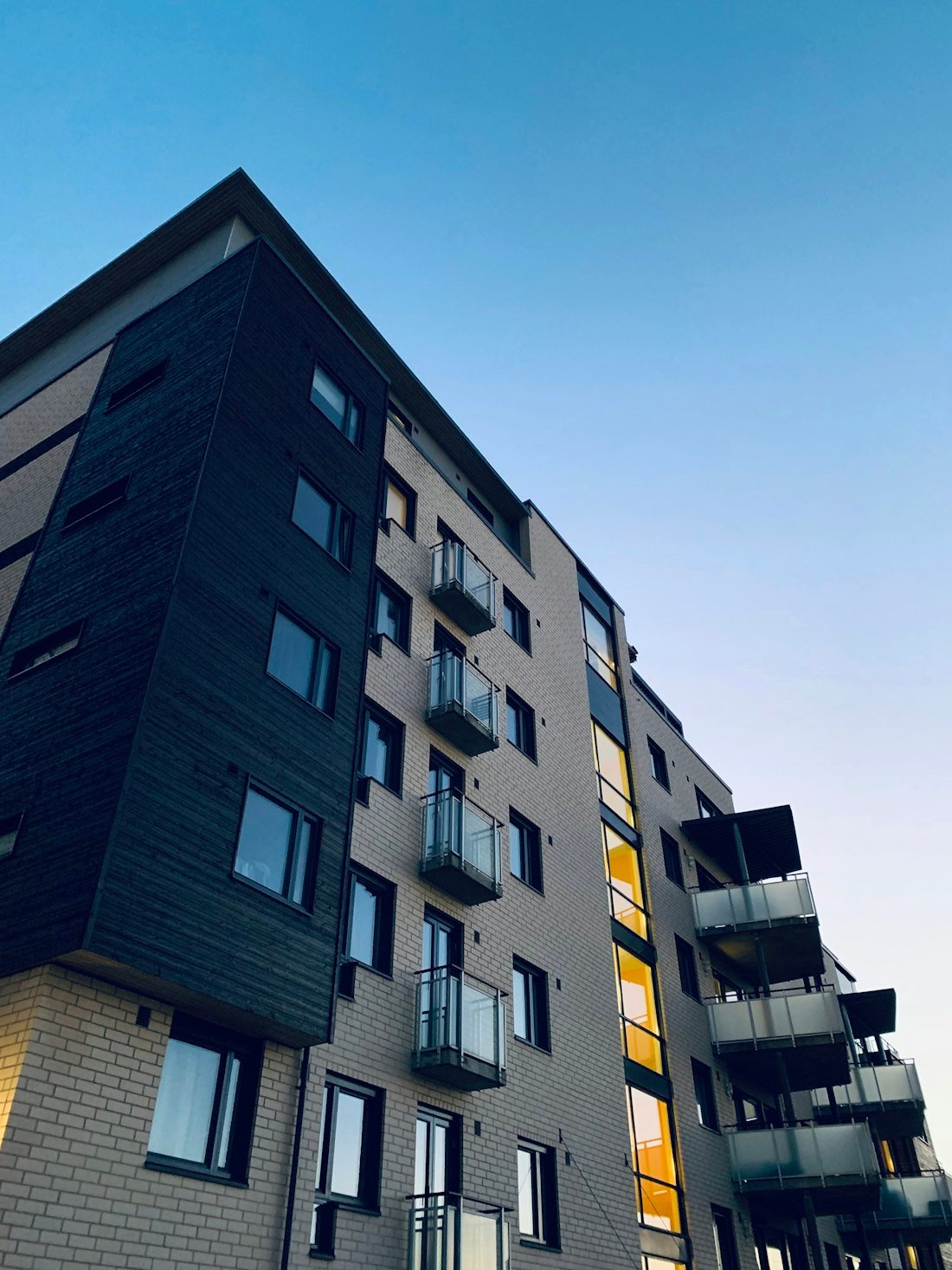
For a business the deliverable is records as much as treatment. A commercial program means scheduled visits, monitored bait stations, a pest map and service reports that stand up in an audit. Elite Pest runs these across Sydney for food premises, offices, strata buildings and warehouses.
- What you are actually dealing with
- How to tell you have a problem
- When pests are worst in Sydney
- What a licensed technician actually does
- What it costs in Sydney
- When a supermarket spray is enough
- The things that set people back
- How the building affects the treatment
- Businesses, strata and shared buildings
- Is this urgent?
- Prevention that actually works
- Frequently asked questions
What you are actually dealing with
There is a reason professional treatment looks different from a trip to the hardware store. A pest problem has a source - a nest, a harbourage, an entry point - and until that is found and treated, numbers rebuild.
Get that sequence right and a single treatment generally holds. Get it wrong and you are treating the same thing next month.
Key points
- Early action is consistently cheaper than waiting for certainty.
- Fix the conditions - moisture, food, entry points - or it returns.
- Treat the source, not the sightings: the nest or harbourage is the target.
- A fixed quote should come before any work starts.
There is a fuller explanation of the our full range of pest control services page, including what is and is not included.
How to tell you have a problem
Before numbers become obvious there is almost always a quieter stage. What to look for:
- Entry-point evidence at weep holes, pipe penetrations and door seals.
- Trails or runways repeated along the same route day after day.
- Droppings, smear marks or shed skins in cupboards and along skirtings.
- Noises in a wall or roof space that follow a nightly pattern.
- Damage to packaging, timber, fabric or cabling with no other explanation.
If more than one of those applies, treat it as confirmed rather than possible. Disturbing the area first makes identification harder.
If you are not certain which pest you are dealing with, everything we treat lists what we treat and the signs that point to each.
When pests are worst in Sydney
Sydney's pest calendar is reasonably predictable. Spring and summer bring ants, spiders, mosquitoes, wasps and cockroaches as warmth and humidity shorten breeding cycles; autumn pushes rodents and possums indoors; winter concentrates activity around warmth and moisture inside the building. Termites and bed bugs run year-round.
None of it changes the method much, but it does change how urgent the booking is.
What a licensed technician actually does
The work is more methodical than most people expect, and very little of it involves a spray wand. The sequence:
- Inspect and identify. Confirm the species, locate nests and harbourage, and note the conditions sustaining them.
- Treat the source. Use the method the species responds to, placed where the population lives rather than where it was seen.
- Allow the method to run. Baits and colony treatments work over days to weeks; re-spraying during that window undoes them.
- Close the conditions. The gaps to seal, the moisture to fix and the habits to change - this is what makes the result last.
The work is logged, and if covered pests return inside the warranty period we come back at no charge.
The method itself, product by product, is explained on our page about our full range of pest control services.
What it costs in Sydney
Price depends on the property size, the species and how established the population is. These are the starting figures Elite Pest works to in 2026:
| Service | From | Notes |
|---|---|---|
| Commercial program | quoted per site | Scheduled servicing with documented reports |
| Rodent treatment and proofing | from $150 | Baiting or trapping, plus entry-point work |
| Timber pest inspection with report | from $159 | Annual check; the report is the deliverable |
| Flea treatment (internal) | from $160 | Preparation and vacuuming required beforehand |
| Wasp or bee nest treatment | from $150 | Priced on access and nest location |
Two things worth asking any company: is the quote fixed, and what does the warranty actually cover. Ours is fixed, and general work is covered for six months.
How that is done in practice is covered under what the treatment involves.
When a supermarket spray is enough
Retail products have a place. For one insect in a room they are fine, and nobody needs a technician for that. For an established population they tend to fail, and sometimes make things worse:
- Without identification there is no way to know whether it is working or just scattering.
- Guessing the species usually means the wrong product entirely.
- Concentrations are lower and residual life shorter than professional-grade equivalents.
- Repellent sprays can split colonies - with ants especially - turning one nest into several.
Where it crosses over is roughly when you have treated twice and it has come back, or when the species itself is a safety question.
The rest of what we handle is set out under the pest control services page.
The things that set people back
Most of the difficult jobs we attend were straightforward a few weeks earlier. The usual reasons:
- Leaving the food, water or entry point that caused it.
- Stopping at the first sign of improvement.
- Treating what you can see instead of the source.
- Using a repellent product where a bait is needed.
If you have already done one of these, say so when you book. It changes the approach rather than causing offence.
How the building affects the treatment
The building matters as much as the pest. The same species is treated differently in a freestanding house, a unit and a terrace, mostly because of what a technician can reach:
- Terraces and semis. Party walls and shared subfloors let populations travel; treating one side alone rarely holds.
- Freestanding houses. Full external access, subfloor and roof void available, so the source can usually be treated directly.
- Townhouses. Common walls plus private courtyards, so internal and external work both matter.
- Commercial premises. Documentation, scheduling and after-hours access become part of the job.
The recurring-problem-in-a-unit pattern almost always means the population is living in common property.
Units bring their own constraints - shared walls, shared plumbing, limited external access - and how apartments are treated is set up around them.
Businesses, strata and shared buildings
Commercial and strata work carries requirements a domestic job does not:
- Coordination across multiple lots so the population cannot simply relocate.
- After-hours or pre-opening access so trading is not disrupted.
- A site plan showing monitored station locations.
- Scheduled servicing rather than reactive call-outs, with visit dates set in advance.
- Written service reports an auditor or committee can follow.
Treating individual lots in a strata building without addressing common property is the most common reason these problems persist for years.
At a commercial site this becomes an audit question, and a documented commercial program covers the reporting an inspector expects to see.
Is this urgent?
Not everything needs a same-day visit, and it is reasonable to want to know which this is. Treat it as urgent when:
- There is damage to structural timber, cabling or insulation.
- A tenancy, sale or inspection is imminent.
- It is a food business, childcare centre, medical premises or aged care.
- The species is one capable of a medically significant bite.
Outside those, a booking in the next few days is generally fine. Waiting a month is where it starts getting more expensive.
We cover the whole basin rather than a few postcodes - our full service area has the full list.
Prevention that actually works
Treatment resets the problem. Prevention is what keeps it solved, and most of it is maintenance rather than pest control:
- Reduce harbourage: declutter garages, sheds and subfloors.
- Seal the gaps: door seals, weep holes, pipe penetrations and roof junctions.
- Remove the water: fix leaks, clear gutters, drain standing water.
- Keep records, which matters most at commercial and strata sites.
- Remove the food: sealed storage, clean surfaces, lidded bins, no overnight pet bowls.
The moisture items matter most. If you only do one thing, fix the water.
If this is the second or third time you have dealt with it, a scheduled home service costs less over a year than repeated call-outs.
Common questions
What will treating pests cost?
General pest treatments start from $89 and timber pest inspections from $159. Termite treatments and barriers are quoted after an inspection because the price depends on the construction and the extent of the activity. You get a fixed figure before any work begins.
How can I keep pests away long term?
Remove the food, remove the water, seal the gaps and keep vegetation off the walls. Of those, moisture matters most - fixing a leak or clearing a gutter prevents more problems than any spray. A scheduled annual service catches anything that slips through.
What brings pests indoors?
Usually something fixable: an unsealed food source, standing water, mulch or timber against the wall, or a gap at a weep hole or pipe penetration. A technician will point out which apply to your property.
What qualifications do your technicians hold?
Yes - every technician holds a current NSW pest management licence and we carry public liability insurance. You are entitled to ask any operator for both, and it is worth doing. Ours are available on request.
Do you offer a warranty?
Covered pests returning within six months are re-treated free. Termite barriers and baiting systems have their own longer warranties, generally conditional on annual monitoring. You get the terms in writing on the day.
Is an inspection really necessary?
For general pest work the inspection happens as part of the visit and is not charged separately. For anything termite-related it is essential and is the deliverable in its own right, because the report determines the treatment and gives you a written record.
Do we need to leave the house during treatment?
Yes - and if anyone in the household has asthma, allergies or there is a newborn, tell us when booking and the technician adjusts the method. Re-entry is normally once treated surfaces have dried, and you are told the exact time on the day.
Can you come today?
Usually within a day or two, and same-day where there is a safety issue - a sting allergy in the household, young children with access, or live termite activity. We quote most jobs in about thirty minutes over the phone.
Get a fixed price on pests
Licensed, insured and working across 650+ Sydney suburbs. You get a fixed price before anything starts, a 6-month warranty on general pest work, and a technician who explains what they found.