
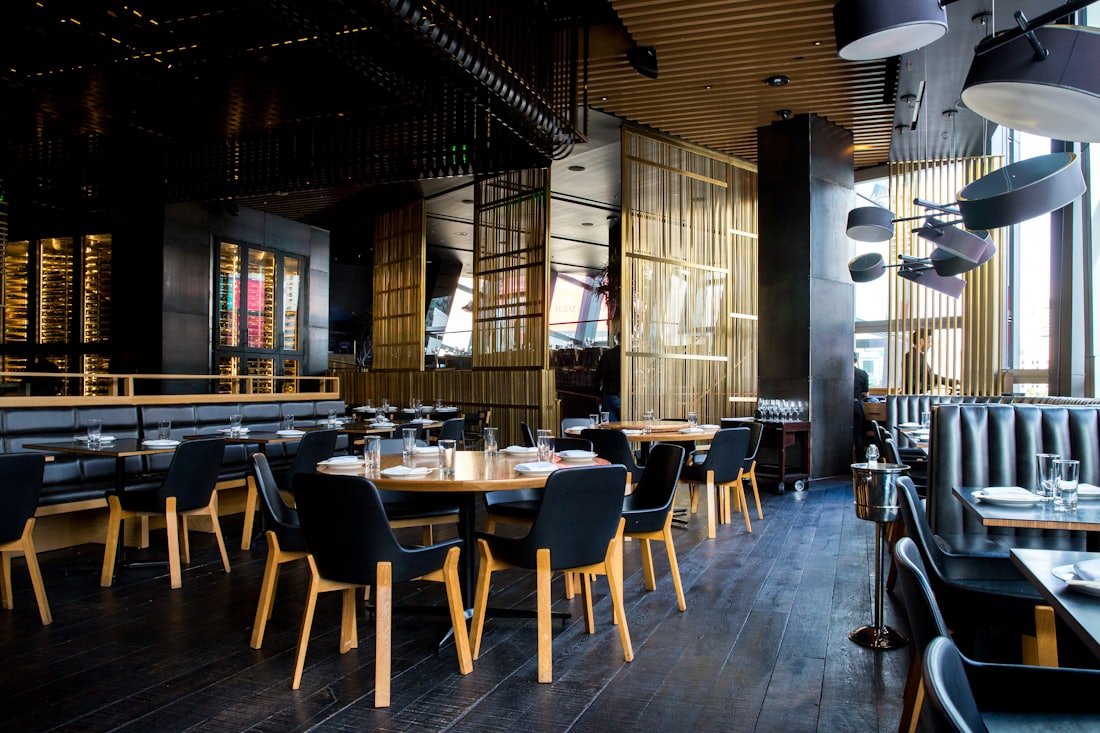
Commercial pest control is a documented, scheduled program rather than a one-off spray. For a food business it underpins your food-safety audit: monitored stations, signed service reports and a site plan an auditor can follow. Elite Pest builds programs for restaurants, offices, strata and warehouses across Sydney on monthly to six-monthly servicing.
- The part most people get wrong
- The early signs people miss
- Why they are in your home
- Why this is not just unpleasant
- The options, and what each is good for
- What happens on the day
- What this means if you have kids or animals
- Does your type of property change things?
- If this is a business or a strata building
- Questions worth asking first
- Warranty and follow-up
- Frequently asked questions
The part most people get wrong
The useful question is not which spray to buy but where the population actually lives. With pests, what you see moving is a small fraction of what is there, and treating only that fraction is why problems come back.
So the sequence matters: identify, locate, treat the source, then close the conditions. Skip a step and you are paying again within weeks.
Key points
- Treat the source, not the sightings: the nest or harbourage is the target.
- Ask what the warranty covers and for how long.
- Early action is consistently cheaper than waiting for certainty.
- Fix the conditions - moisture, food, entry points - or it returns.
If you want to see how the treatment is actually carried out, how our full range of pest control services works walks through each stage.
The early signs people miss
Before numbers become obvious there is almost always a quieter stage. What to look for:
- An unexplained musty, oily or ammonia-like smell in a closed space.
- Insects visible in daylight, which usually means harbourage is full.
- A sharp rise in sightings after rain or a run of humid weather.
- Droppings, smear marks or shed skins in cupboards and along skirtings.
- Pets fixating on one point of a wall, floor or appliance.
Where several of these show up together, the population is established rather than passing through, and the treatment needed changes accordingly.
If you are not certain which pest you are dealing with, the full range of treatments we carry out lists what we treat and the signs that point to each.
Why they are in your home
Treatment deals with the population; this list is what decides whether it comes back. The usual contributors:
- Clutter and stored material offering undisturbed harbourage.
- Vegetation, mulch and timber in direct contact with the building.
- Gaps at weep holes, pipe penetrations, door seals and roof junctions.
- Delay, which turns a small introduction into an established problem.
- Neighbouring work or vacancy displacing an established population.
A technician will walk you through whichever of these apply to your place as part of the visit.
Why this is not just unpleasant
Pest problems rarely stay the same size. Most of what Elite Pest treats in Sydney homes would have been cheaper, faster and less invasive a month or two earlier, because breeding continues while you decide. The health, structural and contamination risks all scale with how long the population has been established.
That is the argument for acting on the early signs rather than waiting until there is no doubt.
The method itself, product by product, is explained on our page about the our full range of pest control services page.
The options, and what each is good for
The honest trade-offs:
| Method | Works well for | Limitations |
|---|---|---|
| Scheduled program | Keeps pressure down at higher-risk sites | Ongoing service rather than one visit |
| Inspection and identification | Establishes species, extent and cause | Detection, not treatment |
| Proofing and exclusion | Stops the problem returning | Needs the building cleared first |
| Residual treatment to harbourage | Treats runways, voids and entry points | Surface work alone rarely clears a population |
Ask which of these is being proposed and why. A technician who cannot answer that is guessing.
We set out the full process, timelines and warranty terms under professional our full range of pest control services.
What happens on the day
Knowing the shape of the appointment makes it easier to plan around. A standard visit runs roughly like this:
- Inspection on arrival. The technician inspects inside and out, confirms the species and shows you what they have found before anything is applied.
- Price confirmed. No work starts until you have agreed the price and know what it covers.
- Application. Typically under an hour and a half for a standard home; longer where a roof void, subfloor or large yard is involved.
- Handover. Re-entry time, what to expect over the next fortnight, the prevention that matters for your place, and the warranty in writing.
One thing worth knowing: with baiting and colony treatments, activity often rises briefly before it drops. That is the treatment working, not failing.
What this means if you have kids or animals
It is the right thing to ask. What makes a professional treatment safe is where the product goes and how much of it is used:
- Baits, gels and dusts go into cracks, voids and secured stations - not across open surfaces.
- You are given a specific re-entry time, usually just until treated surfaces are dry.
- Nothing is applied to food preparation surfaces or anywhere food is stored.
- Quantities are measured to the area rather than applied until the bottle is empty.
If anyone in the house has a specific sensitivity, tell us when you book - it changes which products we bring, not whether we can help.
You can see about the team and the qualifications behind the work.
Does your type of property change things?
The building matters as much as the pest. The same species is treated differently in a freestanding house, a unit and a terrace, mostly because of what a technician can reach:
- Freestanding houses. Full external access, subfloor and roof void available, so the source can usually be treated directly.
- Commercial premises. Documentation, scheduling and after-hours access become part of the job.
- Apartments and units. Shared walls, services and risers mean the source is often outside your lot - partial treatment just moves it.
- Older Sydney housing. Deeper gaps, timber framing and subfloor moisture raise both termite and rodent exposure.
The recurring-problem-in-a-unit pattern almost always means the population is living in common property.
Units bring their own constraints - shared walls, shared plumbing, limited external access - and unit and apartment treatments is set up around them.
If this is a business or a strata building
Commercial and strata work carries requirements a domestic job does not:
- Food-safety alignment for kitchens, cafes and childcare premises.
- Safety data sheets and licence documentation held on site.
- Scheduled servicing rather than reactive call-outs, with visit dates set in advance.
- After-hours or pre-opening access so trading is not disrupted.
- A site plan showing monitored station locations.
Treating individual lots in a strata building without addressing common property is the most common reason these problems persist for years.
For a business the documentation matters as much as the treatment, which is what a documented commercial program is built around.
Questions worth asking first
The cheapest quote is often the one that gets repeated. Things worth confirming:
- Be wary of a price quoted over the phone without any questions about the property.
- For termite work, ask whether you receive a written timber pest report.
- Confirm they hold current public liability insurance.
- Ask what the warranty covers, what voids it, and how long it runs.
- Get the quote in writing, fixed, before any work starts.
If someone will not put the quote or the warranty in writing, that is your answer.
Anyone you let into your home for this work should be licensed and insured, and who actually turns up sets out ours.
Warranty and follow-up
General pest treatments from Elite Pest carry a 6-month warranty: if covered pests return inside that period, we come back and re-treat at no charge.
The exclusions are the ordinary ones - a new pest is a new job, and a recurrence traced to an unfixed cause sits outside the cover. Termite barriers and baiting programs have their own longer warranties, conditional on annual monitoring.
You should receive the terms with your paperwork on the day rather than having to request them.
Most of the homes we look after are on a scheduled home service rather than calling when something appears.
Common questions
What will treating pests cost?
From $89 for general pest work in Sydney, and from $159 for a timber pest inspection. Termite barriers, baiting systems and commercial programs are priced after a site visit. Nothing is charged above the quoted figure without your agreement.
Do we need to leave the house during treatment?
It is safe when applied correctly, which is most of what a licence is for. Baits and dusts go where children and pets do not reach, fish tanks are covered and pet bowls moved. For general treatments you do not need to leave the property.
What happens if they come back?
General pest treatments carry a 6-month warranty. If covered pests return within that period we re-treat at no charge. The terms go on your invoice, so there is no ambiguity about what was covered.
Who pays in a rental or strata building?
In a tenancy it usually depends on whether the problem existed at the start of the lease and on the terms of the agreement - raise it with the agent in writing either way. In a strata building, anything in common property such as risers, voids and bin rooms is the owners corporation's responsibility.
How soon can you get here?
We cover Sydney regularly, so availability is normally a day or two out. Call 1300 313 373 and we will give you the next slot and a fixed price at the same time.
How quickly will I see a difference?
For a general treatment you should see a drop within 24 to 72 hours. Where baiting is used it takes one to three weeks, because the aim is the colony rather than the foragers. A short increase in sightings early on means the bait is being taken.
Are your technicians licensed and insured?
Licensed and insured, and happy to show either. If you are comparing quotes, ask each company for the licence number of the person actually attending rather than just the business name.
Is DIY worth trying first?
It is worth a try for a one-off sighting and generally a waste of money beyond that. Concentrations are lower, residual life is shorter, and surface application misses the voids where the population actually lives.
Sydney pest control, booked today
Licensed, insured and working across 650+ Sydney suburbs. You get a fixed price before anything starts, a 6-month warranty on general pest work, and a technician who explains what they found.