
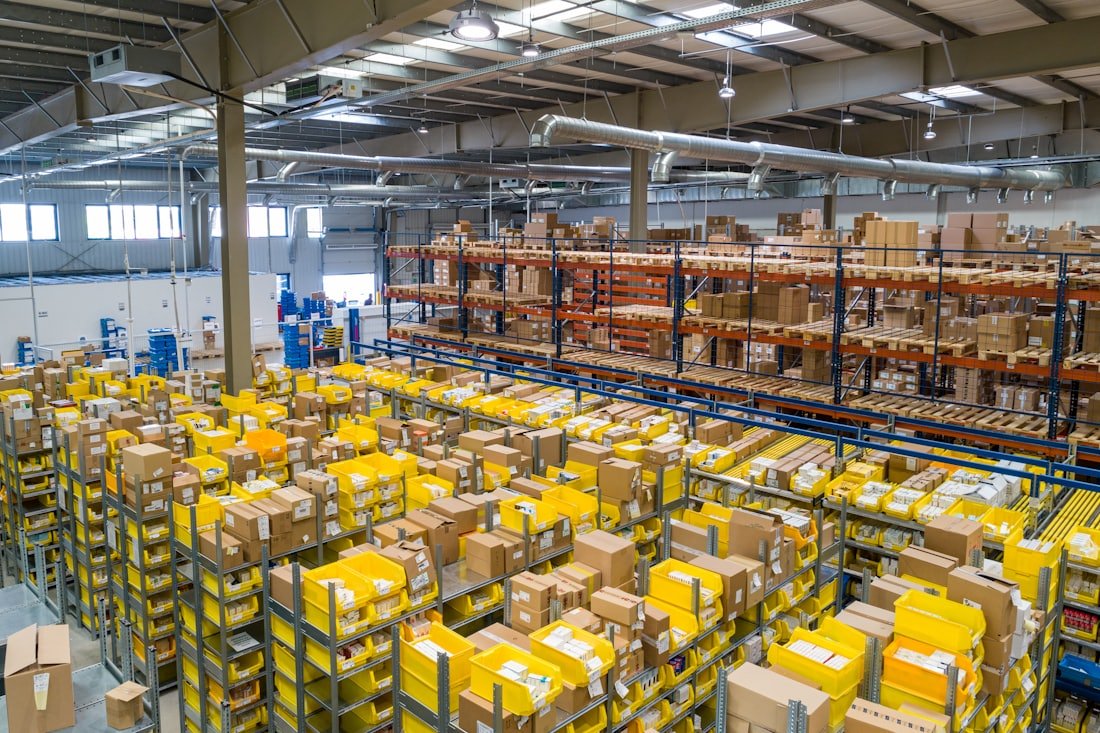
For a business the deliverable is records as much as treatment. A commercial program means scheduled visits, monitored bait stations, a pest map and service reports that stand up in an audit. Elite Pest runs these across Sydney for food premises, offices, strata buildings and warehouses.
- The part most people get wrong
- The early signs people miss
- What to expect from the visit
- How to prepare for the visit
- Honest pricing
- What this means if you have kids or animals
- When a supermarket spray is enough
- Common missteps
- Commercial and common-property situations
- Is this urgent?
- After the treatment
- Frequently asked questions
The part most people get wrong
Almost every unsuccessful treatment starts the same way: the wrong product aimed at the wrong place. Rodents are not a single problem with a single answer - the species, the entry point and the conditions around the building all change what works.
Get that sequence right and a single treatment generally holds. Get it wrong and you are treating the same thing next month.
Key points
- Fix the conditions - moisture, food, entry points - or it returns.
- Treat the source, not the sightings: the nest or harbourage is the target.
- Identify the species before treating - the right product depends on it.
- Ask what the warranty covers and for how long.
How that is done in practice is covered under what the treatment involves.
The early signs people miss
You rarely see the population itself first - you see what it leaves behind. The signs that matter:
- Greasy rub marks along a regular run between a gap and a food source.
- Scratching, gnawing or scurrying overhead in the roof space after dark.
- A persistent sharp ammonia smell in a pantry, roof void or under a sink.
- Disturbed pet food, birdseed or compost overnight.
- Dark droppings from rice-sized to bean-sized along walls and in cupboards.
The more of these you can tick off, the longer it has been going on - which affects both the method and the price.
If you are not certain which pest you are dealing with, everything we treat lists what we treat and the signs that point to each.
What to expect from the visit
There is not much mystery to it, and most of it is quicker than people expect:
- Inspection on arrival. Ten to twenty minutes looking - inside, outside, roof void or subfloor if relevant - then a plain explanation of what is going on.
- Confirming the quote. You hear the fixed price and what is included before work begins. If you would rather not proceed, that is fine.
- Treatment. Most general treatments take 45 to 90 minutes depending on the property size and how much access is involved.
- Handover. You get the timeline, the aftercare, the specific fixes for your property and your paperwork.
Expect a short increase in sightings after a bait treatment. It means the bait is being carried, which is the point.
How to prepare for the visit
Treatments work better when the technician can reach things. Before the appointment:
- Clear access to kickboards, under sinks and around appliances.
- Vacuum carpets and hard floors, then empty the vacuum outside.
- Arrange for pets to be out of the way for a couple of hours.
- Clear a path to the roof void or subfloor access if there is one.
- Put food, utensils and pet bowls away or in sealed containers.
The main thing afterwards is not to clean the treated surfaces for about a week. That one habit undoes more treatments than anything else.
Honest pricing
Price depends on the property size, the species and how established the population is. These are the starting figures Elite Pest works to in 2026:
| Service | From | Notes |
|---|---|---|
| Rodent treatment and proofing | from $150 | Baiting or trapping, plus entry-point work |
| Commercial program | quoted per site | Scheduled servicing with documented reports |
| General pest treatment (internal & external) | from $89 | Covers cockroaches, ants, spiders and silverfish |
| Timber pest inspection with report | from $159 | Annual check; the report is the deliverable |
| Bed bug treatment (per room) | from $280 | Usually includes a follow-up visit |
You get a fixed quote before anything starts - not an estimate that moves on the day. General treatments include a 6-month warranty, so covered pests returning in that window are re-treated at no charge.
If you want to see how the treatment is actually carried out, how rodent control works walks through each stage.
What this means if you have kids or animals
Fair question, and worth more than a one-word answer. Professional treatment is safe around families and pets because of how it is applied, not because the products are inert:
- Baits, gels and dusts go into cracks, voids and secured stations - not across open surfaces.
- Quantities are measured to the area rather than applied until the bottle is empty.
- You are given a specific re-entry time, usually just until treated surfaces are dry.
- Where a household has asthma, allergies or a newborn, the method is adjusted on request.
Mention any health considerations at the booking stage and the technician plans around them.
That is worth checking before you book anyone, including us - our licensing and insurance covers our licensing, insurance and how long we have been doing this.
When a supermarket spray is enough
This is worth being straight about, because DIY is not always the wrong answer. It is the wrong answer once a population is established, for reasons that are fairly mechanical:
- Repellent sprays can split colonies - with ants especially - turning one nest into several.
- Surface application misses the voids and cracks where the population actually lives.
- Without identification there is no way to know whether it is working or just scattering.
- Guessing the species usually means the wrong product entirely.
The rule of thumb: a single sighting, try it yourself. Recurring activity, structural risk, anything venomous, or a food business - get a licensed technician in.
It is worth a look through the services we offer across Sydney, since what you are seeing may not be what you think it is.
Common missteps
Most of the difficult jobs we attend were straightforward a few weeks earlier. The usual reasons:
- Placing bait without securing it from children, pets and wildlife.
- Sealing entry points while animals are still inside, trapping them in the void.
- Leaving the food source in place and expecting traps to do the work.
- Treating one property while a neighbouring source goes unaddressed.
If you have already done one of these, say so when you book. It changes the approach rather than causing offence.
Commercial and common-property situations
Once more than one occupier is involved, the job changes shape. The treatment may be similar; everything around it is not:
- Scheduled servicing rather than reactive call-outs, with visit dates set in advance.
- A site plan showing monitored station locations.
- Coordination across multiple lots so the population cannot simply relocate.
- Treatment of common property - risers, voids, bin rooms, roof spaces - not just individual lots.
- Safety data sheets and licence documentation held on site.
Treating individual lots in a strata building without addressing common property is the most common reason these problems persist for years.
For a business the documentation matters as much as the treatment, which is what a documented commercial program is built around.
Is this urgent?
Some of this can wait a fortnight. Some of it cannot. The dividing line:
- The species is one capable of a medically significant bite.
- It is a food business, childcare centre, medical premises or aged care.
- There is damage to structural timber, cabling or insulation.
- You have found live termite activity in or against the building.
If none of those apply, there is no need to panic - but there is also no advantage in waiting, since populations keep breeding either way.
We cover the whole basin rather than a few postcodes - the suburbs on our run has the full list.
After the treatment
The warranty on general pest work runs six months. Covered pests returning in that time are re-treated free - no argument, no second call-out fee.
There are limits worth knowing rather than discovering later. The warranty covers the pests treated, not a new and different problem, and it assumes the prevention advice was followed - leaving an open food source or an unrepaired leak is outside it. Termite barriers and baiting systems carry their own separate terms, usually tied to annual monitoring.
It goes on the invoice, so there is no ambiguity about what was covered six months later.
The alternative to treating reactively is a regular residential program, timed around the seasons above.
Common questions
How much does it cost to get rid of rodents in Sydney?
Starting prices are $89 for a general treatment and $159 for an inspection with a written report. Anything larger is quoted on inspection rather than over the phone. The quote is fixed, so the invoice matches what you were told.
Can I just seal the gaps myself?
Proofing is the only permanent part of rodent work, so yes - but the order matters. Seal too early and you trap animals inside. A technician will clear the void first, then advise which gaps to close and with what.
Is everyone who attends licensed?
All of our technicians are licensed under NSW pest management requirements and insured. Pest control is licensed work in this state, so an operator who cannot produce a licence number should not be in your home.
What if the problem is coming from next door?
If the source is common property, it is a building-level job rather than yours. We are happy to provide a written report for an agent or owners corporation setting out where the activity is and what it will take to resolve.
How long before the treatment works?
Residual treatments start working within hours, but colony and baiting treatments are deliberately slower - the product has to be carried back to the nest. Expect a clear reduction within a week to two, and do not be alarmed if activity briefly rises first.
How do I stop them coming back?
Remove the food, remove the water, seal the gaps and keep vegetation off the walls. Of those, moisture matters most - fixing a leak or clearing a gutter prevents more problems than any spray. A scheduled annual service catches anything that slips through.
Is the treatment safe for children and pets?
It is safe when applied correctly, which is most of what a licence is for. Baits and dusts go where children and pets do not reach, fish tanks are covered and pet bowls moved. For general treatments you do not need to leave the property.
Can you come today?
Usually within a day or two, and same-day where there is a safety issue - a sting allergy in the household, young children with access, or live termite activity. We quote most jobs in about thirty minutes over the phone.
Get a fixed price on rodents
We treat rodents across 650+ suburbs of Sydney. Fixed quote up front, licensed and insured technicians, child and pet-safe application, and general treatments backed for six months.