
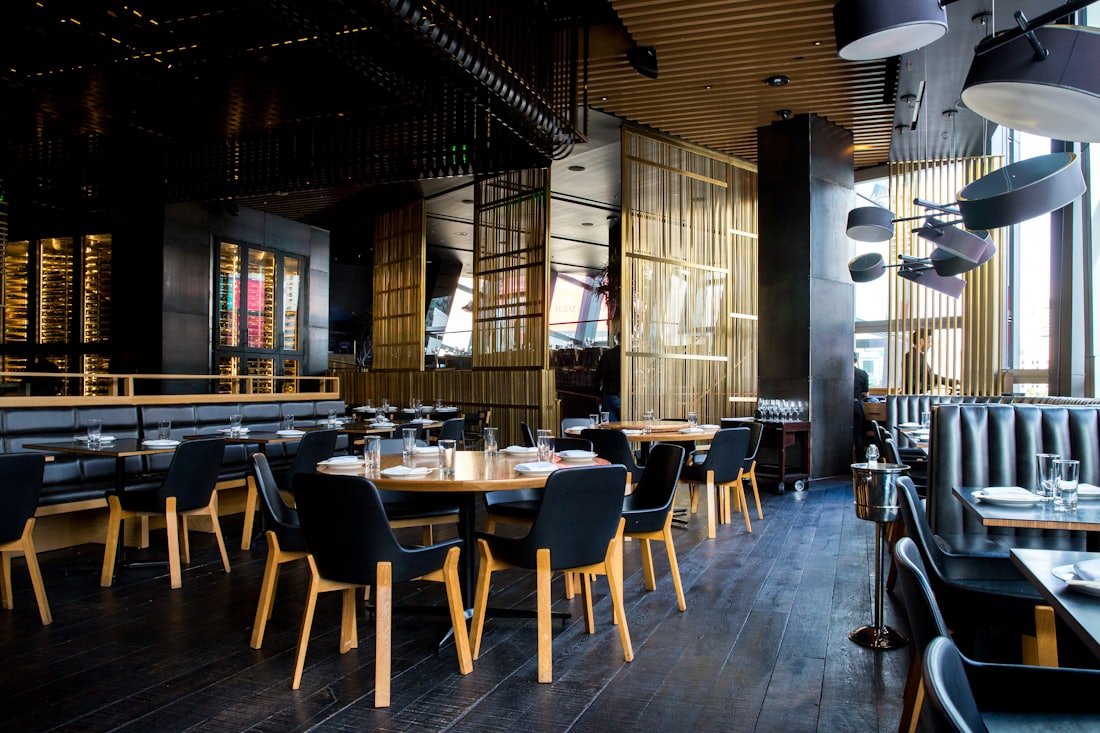
For a business the deliverable is records as much as treatment. A commercial program means scheduled visits, monitored bait stations, a pest map and service reports that stand up in an audit. Elite Pest runs these across Sydney for food premises, offices, strata buildings and warehouses.
- What you are actually dealing with
- The early signs people miss
- Why it is worth dealing with
- The seasonal pattern
- How to prepare for the visit
- DIY or call someone?
- Myths worth dropping
- Houses, units and townhouses
- Businesses, strata and shared buildings
- What to check before you book
- Prevention that actually works
- Frequently asked questions
What you are actually dealing with
Most of the cost in dealing with pests comes from doing it twice. Getting the identification and the source right the first time is what makes the difference between one treatment and a recurring expense.
So the sequence matters: identify, locate, treat the source, then close the conditions. Skip a step and you are paying again within weeks.
Key points
- Treat the source, not the sightings: the nest or harbourage is the target.
- Fix the conditions - moisture, food, entry points - or it returns.
- Ask what the warranty covers and for how long.
- A fixed quote should come before any work starts.
If you want to see how the treatment is actually carried out, our full range of pest control services walks through each stage.
The early signs people miss
The early evidence is usually subtle, and most of it is found in places nobody looks. Worth checking for:
- An unexplained musty, oily or ammonia-like smell in a closed space.
- A sharp rise in sightings after rain or a run of humid weather.
- Trails or runways repeated along the same route day after day.
- Entry-point evidence at weep holes, pipe penetrations and door seals.
- Droppings, smear marks or shed skins in cupboards and along skirtings.
The more of these you can tick off, the longer it has been going on - which affects both the method and the price.
It is worth a look through everything we treat, since what you are seeing may not be what you think it is.
Why it is worth dealing with
Pest problems rarely stay the same size. Most of what Elite Pest treats in Sydney homes would have been cheaper, faster and less invasive a month or two earlier, because breeding continues while you decide. The health, structural and contamination risks all scale with how long the population has been established.
That is the argument for acting on the early signs rather than waiting until there is no doubt.
We set out the full process, timelines and warranty terms under how our full range of pest control services works.
The seasonal pattern
Sydney's pest calendar is reasonably predictable. Spring and summer bring ants, spiders, mosquitoes, wasps and cockroaches as warmth and humidity shorten breeding cycles; autumn pushes rodents and possums indoors; winter concentrates activity around warmth and moisture inside the building. Termites and bed bugs run year-round.
That pattern is why timing a treatment well can do more than increasing the dose.
How to prepare for the visit
Nothing elaborate, but these few things genuinely affect how well it works:
- Vacuum carpets and hard floors, then empty the vacuum outside.
- Cover or move fish tanks and turn off their air pumps.
- Arrange for pets to be out of the way for a couple of hours.
- Clear access to kickboards, under sinks and around appliances.
- Make a note of where you have seen activity and when.
Avoid washing down treated areas for at least a week, and resist adding your own spray on top.
DIY or call someone?
There is no sense paying for a call-out you do not need. But the reasons DIY fails on a real infestation are consistent:
- Repellent sprays can split colonies - with ants especially - turning one nest into several.
- Retail products kill what they touch and leave the nest or harbourage producing.
- Without identification there is no way to know whether it is working or just scattering.
- Concentrations are lower and residual life shorter than professional-grade equivalents.
If you have already tried something and it returned, that is the signal rather than a reason to try again harder.
If you are not certain which pest you are dealing with, the pest control services page lists what we treat and the signs that point to each.
Myths worth dropping
Some of these are harmless. Others actively cost people money, which is why they are worth correcting:
- Pests mean an unclean home. Many arrive in deliveries, furniture or shared walls, or follow moisture rather than mess.
- Any spray will do. Product choice depends on species, surface and where the population actually sits.
- DIY is cheaper. It is cheaper only when it works. Repeated failed attempts usually cost more than one correct treatment.
- If you cannot see them, they are gone. Most pest populations are mostly hidden. Visible insects are a fraction of the whole.
The rest of what we handle is set out under the services we offer across Sydney.
Houses, units and townhouses
Two neighbours with identical problems can get quite different treatments, and the reason is usually construction rather than preference:
- Townhouses. Common walls plus private courtyards, so internal and external work both matter.
- Freestanding houses. Full external access, subfloor and roof void available, so the source can usually be treated directly.
- Commercial premises. Documentation, scheduling and after-hours access become part of the job.
- Older Sydney housing. Deeper gaps, timber framing and subfloor moisture raise both termite and rodent exposure.
The recurring-problem-in-a-unit pattern almost always means the population is living in common property.
If you are in a unit rather than a house, unit and apartment treatments explains what can be treated inside your own lot.
Businesses, strata and shared buildings
Once more than one occupier is involved, the job changes shape. The treatment may be similar; everything around it is not:
- Written service reports an auditor or committee can follow.
- Scheduled servicing rather than reactive call-outs, with visit dates set in advance.
- Food-safety alignment for kitchens, cafes and childcare premises.
- A site plan showing monitored station locations.
- Coordination across multiple lots so the population cannot simply relocate.
Treating individual lots in a strata building without addressing common property is the most common reason these problems persist for years.
For a business the documentation matters as much as the treatment, which is what a documented commercial program is built around.
What to check before you book
The cheapest quote is often the one that gets repeated. Things worth confirming:
- Confirm they hold current public liability insurance.
- Be wary of a price quoted over the phone without any questions about the property.
- Ask which method they intend to use and why that one.
- Ask what the warranty covers, what voids it, and how long it runs.
- Get the quote in writing, fixed, before any work starts.
None of those questions are unreasonable, and the answers tend to sort operators quickly.
You can see who actually turns up and the qualifications behind the work.
Prevention that actually works
Having dealt with the population, the job is to make the property less worth moving into:
- Keep records, which matters most at commercial and strata sites.
- Reduce harbourage: declutter garages, sheds and subfloors.
- Remove the water: fix leaks, clear gutters, drain standing water.
- Seal the gaps: door seals, weep holes, pipe penetrations and roof junctions.
- Act on early signs rather than waiting for the problem to be obvious.
Even a couple of these makes a measurable difference, particularly anything involving moisture.
If this is the second or third time you have dealt with it, a scheduled home service costs less over a year than repeated call-outs.
Frequently asked questions
How much does it cost to get rid of pests in Sydney?
General pest treatments start from $89 and timber pest inspections from $159. Termite treatments and barriers are quoted after an inspection because the price depends on the construction and the extent of the activity. You get a fixed figure before any work begins.
Is the treatment safe for children and pets?
Yes. We use APVMA-registered, low-toxicity products applied at label rates, and most of what goes down is placed in cracks, voids and secured stations rather than on open surfaces. You are given a specific re-entry time, usually just until treated surfaces are dry.
Are your technicians licensed and insured?
All of our technicians are licensed under NSW pest management requirements and insured. Pest control is licensed work in this state, so an operator who cannot produce a licence number should not be in your home.
Who pays in a rental or strata building?
For renters, report it to the agent in writing promptly, since that is often what decides responsibility. In a unit block the source is frequently outside your lot, and treating your own apartment repeatedly will not fix a population living in common property.
How quickly can you come out to Sydney?
Most bookings in Sydney are filled within 48 hours. Urgent situations are prioritised, and we will tell you honestly if yours is not urgent rather than selling you a priority visit.
What prevents a repeat?
The treatment resets it; prevention keeps it. Sealed food storage, lidded bins, no overnight pet bowls, repaired leaks, clear gutters, and mulch and timber kept clear of the slab. Your technician will tell you which two or three actually matter for your building.
Can I treat this myself?
For a single insect, yes. For an established population, retail products usually fail because they kill what they touch and leave the nest producing. Repellent sprays can also split ant colonies, which turns one problem into several.
What brings pests indoors?
Food, water and shelter, in roughly that order. In most Sydney homes it comes down to accessible food or bins, a moisture source such as a leak or blocked gutter, and a gap big enough to get through. Remove any one of the three and the property gets much less attractive.
Need someone to look at it?
Elite Pest & Termite Solutions covers 650+ Sydney suburbs with licensed, insured technicians, child and pet-safe methods and a 6-month warranty on general treatments. Fixed quote in about 30 minutes.