
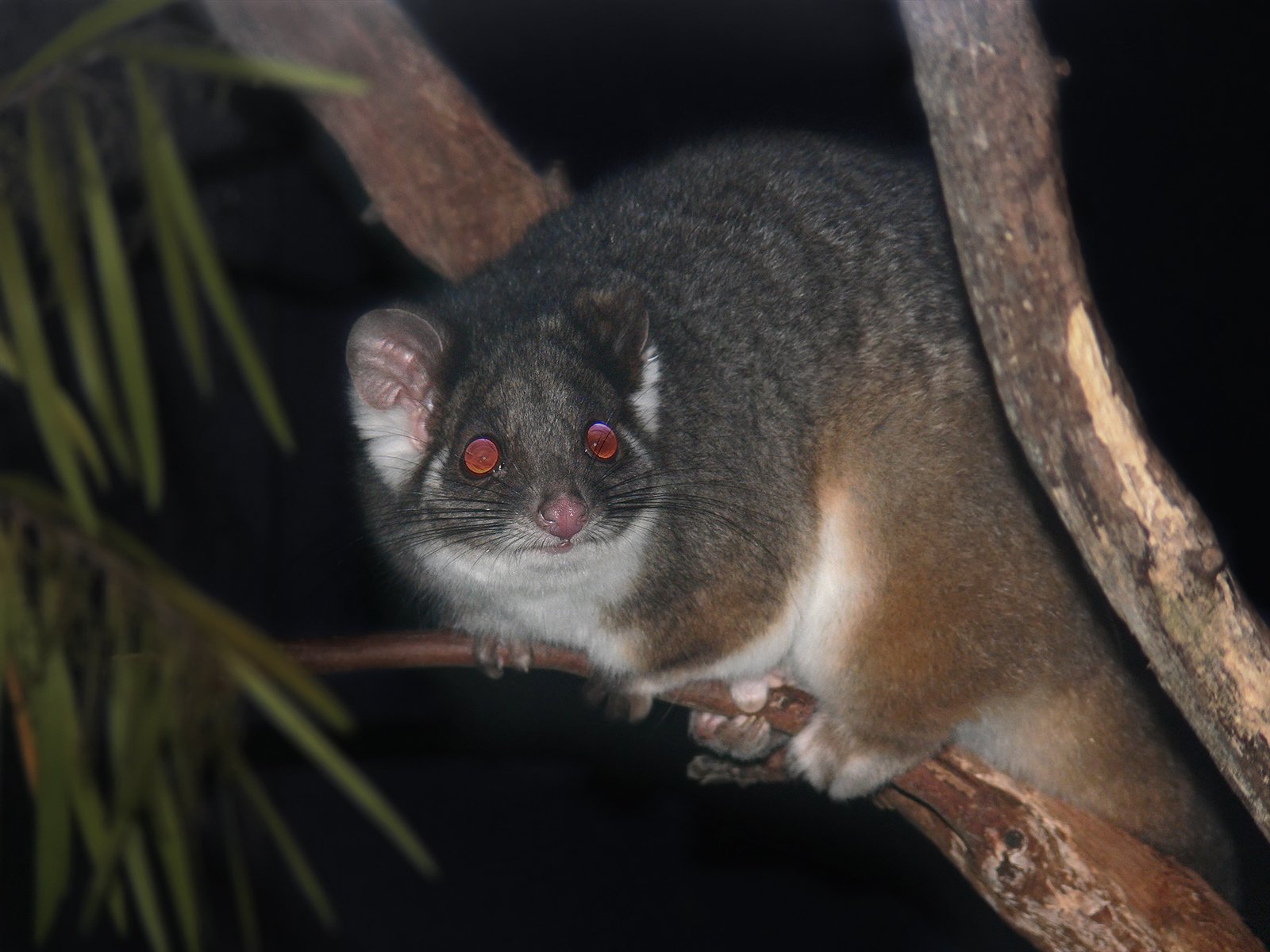
The honest version: possums come back when the cause is left in place. What follows covers how to tell what you are dealing with, what a licensed technician will actually do about it, realistic Sydney prices, and the prevention that makes the result hold. General treatments start from $89 with a 6-month warranty.
- The part most people get wrong
- What to look for
- Why they are in your home
- Why it is worth dealing with
- Preparation that makes it work better
- Common missteps
- Setting a few things straight
- When it is not a single home
- What to check before you book
- Warranty and follow-up
- Prevention that actually works
- Frequently asked questions
The part most people get wrong
The useful question is not which spray to buy but where the population actually lives. With possums, what you see moving is a small fraction of what is there, and treating only that fraction is why problems come back.
A licensed technician works through that in order, which is why the first part of a visit is looking rather than spraying.
Key points
- Treat the source, not the sightings: the nest or harbourage is the target.
- Early action is consistently cheaper than waiting for certainty.
- A fixed quote should come before any work starts.
- Fix the conditions - moisture, food, entry points - or it returns.
How that is done in practice is covered under the possum removal page.
What to look for
The early evidence is usually subtle, and most of it is found in places nobody looks. Worth checking for:
- Staining on a wall or ceiling where urine has soaked through insulation.
- Stripped new growth, fruit or rose buds overnight.
- A strong lingering urine smell in a ceiling cavity.
- Droppings in the gutter, on a pergola beam or along a fence top.
- Insulation flattened into a nest hollow in one corner of the roof void.
Where several of these show up together, the population is established rather than passing through, and the treatment needed changes accordingly.
The rest of what we handle is set out under everything we treat.
Why they are in your home
There is almost always something on the property doing the inviting. Most commonly:
- Removal of nearby habitat pushing animals to seek shelter in buildings.
- Compost or a bin that is easy to open.
- An undisturbed roof void with insulation suitable for a den.
- A chimney, flue or wall cavity open at the top.
- Fruit trees, vegetable beds and pet food available after dark.
A technician will walk you through whichever of these apply to your place as part of the visit.
Why it is worth dealing with
Possums are protected native animals, so this is a removal and exclusion job rather than a treatment. The costs are real nonetheless: soiled and compressed insulation, urine staining through ceilings, damaged roof components, chewed cabling, and sustained sleep disruption. Done incorrectly it is also an offence under New South Wales wildlife law.
None of that is scaremongering - it is simply the reason the price goes up the longer it is left.
The method itself, product by product, is explained on our page about what the treatment involves.
Preparation that makes it work better
Treatments work better when the technician can reach things. Before the appointment:
- Arrange for pets to be out of the way for a couple of hours.
- Clear a path to the roof void or subfloor access if there is one.
- Vacuum carpets and hard floors, then empty the vacuum outside.
- Cover or move fish tanks and turn off their air pumps.
- Clear access to kickboards, under sinks and around appliances.
Afterwards, hold off on mopping treated skirtings and perimeters for a week or so - washing the treatment off is the most common reason a job underperforms.
Common missteps
Most of the difficult jobs we attend were straightforward a few weeks earlier. The usual reasons:
- Sealing the roof while an animal is still inside.
- Doing nothing about the smell and soiled insulation after the animal leaves.
- Using poison, which is illegal for possums and leaves a carcass in the void.
- Leaving branches touching the roof after sealing.
If you have already done one of these, say so when you book. It changes the approach rather than causing offence.
Setting a few things straight
The received wisdom on this is unusually wrong:
- You can trap and release them elsewhere. Relocating a possum away from its home range is restricted in New South Wales and usually kills the animal.
- Seal the hole and the problem is gone. Sealing while an animal is inside traps it. Exclusion has to come first.
- They will leave on their own. A warm, dry, undisturbed roof void is better than anything outside. They stay.
- Poison is an option. Possums are protected natives. Baiting them is illegal and leaves a carcass in the roof.
If you are not certain which pest you are dealing with, the pest control services page lists what we treat and the signs that point to each.
When it is not a single home
Commercial and strata work carries requirements a domestic job does not:
- Food-safety alignment for kitchens, cafes and childcare premises.
- After-hours or pre-opening access so trading is not disrupted.
- A site plan showing monitored station locations.
- Safety data sheets and licence documentation held on site.
- Scheduled servicing rather than reactive call-outs, with visit dates set in advance.
For a food business in particular, pest records are among the first things an inspector asks for - which makes the documentation as valuable as the treatment.
Food premises carry the tightest requirements, which is what food-premises pest programs is designed around.
What to check before you book
This is a licensed trade, so there are specific things you are entitled to ask:
- For termite work, ask whether you receive a written timber pest report.
- Confirm they hold current public liability insurance.
- Check whether a follow-up visit is included or charged separately.
- Ask what the warranty covers, what voids it, and how long it runs.
- Get the quote in writing, fixed, before any work starts.
None of those questions are unreasonable, and the answers tend to sort operators quickly.
You can see about the team and the qualifications behind the work.
Warranty and follow-up
The warranty on general pest work runs six months. Covered pests returning in that time are re-treated free - no argument, no second call-out fee.
There are limits worth knowing rather than discovering later. The warranty covers the pests treated, not a new and different problem, and it assumes the prevention advice was followed - leaving an open food source or an unrepaired leak is outside it. Termite barriers and baiting systems carry their own separate terms, usually tied to annual monitoring.
You should receive the terms with your paperwork on the day rather than having to request them.
The alternative to treating reactively is an ongoing residential service, timed around the seasons above.
Prevention that actually works
Having dealt with the population, the job is to make the property less worth moving into:
- Repair broken tiles, cappings and soffits, but only once the animal is out.
- Net fruit trees and vegetable beds.
- Provide an alternative nest box in the yard before sealing the roof.
- Fit smooth collars on downpipes and posts used as a climbing route.
- Cap chimneys and flues with a suitable guard.
Even a couple of these makes a measurable difference, particularly anything involving moisture.
Most of the homes we look after are on a scheduled home service rather than calling when something appears.
Questions we get asked
What do you charge for possums in Sydney?
Starting prices are $89 for a general treatment and $159 for an inspection with a written report. Anything larger is quoted on inspection rather than over the phone. The quote is fixed, so the invoice matches what you were told.
Why can't the possum be taken somewhere else?
Relocating a possum away from its home range is restricted in New South Wales and usually kills the animal, so it is not an option. The lawful approach is a one-way door so it leaves on its own, then sealing the entry once the roof is confirmed empty. Baiting possums is illegal.
Can you just treat it without looking?
An inspection is what tells a technician the species, the extent and the cause. Treating without it is guesswork, and guesswork is the main reason jobs get repeated. On general treatments it is built into the appointment.
How quickly can you come out to Sydney?
We cover Sydney regularly, so availability is normally a day or two out. Call 1300 313 373 and we will give you the next slot and a fixed price at the same time.
Are your products safe around kids and animals?
It is safe when applied correctly, which is most of what a licence is for. Baits and dusts go where children and pets do not reach, fish tanks are covered and pet bowls moved. For general treatments you do not need to leave the property.
What attracts possums to a house?
Food, water and shelter, in roughly that order. In most Sydney homes it comes down to accessible food or bins, a moisture source such as a leak or blocked gutter, and a gap big enough to get through. Remove any one of the three and the property gets much less attractive.
Who pays in a rental or strata building?
In a tenancy it usually depends on whether the problem existed at the start of the lease and on the terms of the agreement - raise it with the agent in writing either way. In a strata building, anything in common property such as risers, voids and bin rooms is the owners corporation's responsibility.
Is DIY worth trying first?
It is worth a try for a one-off sighting and generally a waste of money beyond that. Concentrations are lower, residual life is shorter, and surface application misses the voids where the population actually lives.
Dealing with possums right now?
Licensed, insured and working across 650+ Sydney suburbs. You get a fixed price before anything starts, a 6-month warranty on general pest work, and a technician who explains what they found.