
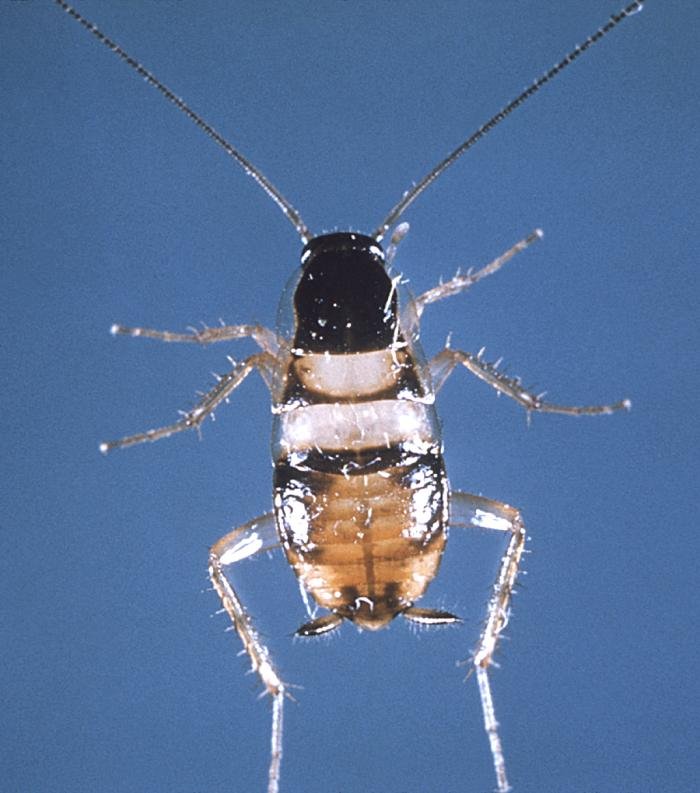
Getting rid of cockroaches properly means finding where they are living and breeding, treating that, and closing the conditions that invited them. This guide covers the signs, the treatment options, honest Sydney costs and the prevention that keeps it solved - written by the licensed technicians who do the work.
- Before you treat anything
- How to tell you have a problem
- The options, and what each is good for
- What you are paying for
- The visit itself
- Sydney prices, without the runaround
- What this means if you have kids or animals
- Doing it yourself: the honest version
- The things that set people back
- Does your type of property change things?
- Questions worth asking first
- Frequently asked questions
Before you treat anything
Most of the cost in dealing with cockroaches comes from doing it twice. Getting the identification and the source right the first time is what makes the difference between one treatment and a recurring expense.
Get that sequence right and a single treatment generally holds. Get it wrong and you are treating the same thing next month.
Key points
- Identify the species before treating - the right product depends on it.
- Fix the conditions - moisture, food, entry points - or it returns.
- Early action is consistently cheaper than waiting for certainty.
- A fixed quote should come before any work starts.
We set out the full process, timelines and warranty terms under professional cockroach control.
How to tell you have a problem
Before numbers become obvious there is almost always a quieter stage. What to look for:
- A sharp, oily, musty smell that lingers in cupboards under the sink.
- Chewed paper, cardboard or book bindings in a damp storage cupboard.
- Live insects in a dishwasher door seal or the gap beside a built-in oven.
- Smear marks along skirtings where surfaces stay damp.
- Brown, oval egg cases glued into hinges, cupboard seams or behind kickboards.
The more of these you can tick off, the longer it has been going on - which affects both the method and the price.
The rest of what we handle is set out under the pest control services page.
The options, and what each is good for
A technician chooses between these based on the species, the building and how established the population is:
| Method | Works well for | Limitations |
|---|---|---|
| Insect growth regulator | Stops nymphs reaching breeding age | Slow on its own; used alongside bait |
| Gel bait in harbourage | Carried back to the harbourage; very effective on German cockroach | Must not be sprayed over |
| Monitoring traps | Confirms species and whether numbers are falling | Monitoring, not control |
| Insecticidal dust to voids | Long residual in wall and cabinet voids | Placement only where it stays dry |
Most real jobs combine two of these rather than relying on one. If a quote only mentions a spray, it is worth asking what else is planned.
How that is done in practice is covered under the cockroach control page.
What you are paying for
A licensed technician follows a repeatable process rather than blanket-spraying a property. In order:
- Inspect and identify. Confirm the species, locate nests and harbourage, and note the conditions sustaining them.
- Treat the source. Use the method the species responds to, placed where the population lives rather than where it was seen.
- Allow the method to run. Colony treatments take time by design. The technician will say how long before you should expect a change.
- Close the conditions. The gaps to seal, the moisture to fix and the habits to change - this is what makes the result last.
All of that is done by a licensed and insured technician, with general treatments backed for six months.
The method itself, product by product, is explained on our page about what the treatment involves.
The visit itself
For a typical residential job, the appointment looks like this:
- First look. The technician inspects inside and out, confirms the species and shows you what they have found before anything is applied.
- Price confirmed. No work starts until you have agreed the price and know what it covers.
- Application. Typically under an hour and a half for a standard home; longer where a roof void, subfloor or large yard is involved.
- Before we leave. You get the timeline, the aftercare, the specific fixes for your property and your paperwork.
If activity seems worse for a few days, that is normal for colony work - call us if it has not changed within the timeframe you were given.
Sydney prices, without the runaround
Nobody can give a final figure sight-unseen, but the starting ranges are not a secret. Current rates:
| Service | From | Notes |
|---|---|---|
| General pest treatment (internal & external) | from $89 | Covers cockroaches, ants, spiders and silverfish |
| Possum removal and proofing | from $250 | One-way exclusion, then sealing the entry |
| Commercial program | quoted per site | Scheduled servicing with documented reports |
| Timber pest inspection with report | from $159 | Annual check; the report is the deliverable |
| Flea treatment (internal) | from $160 | Preparation and vacuuming required beforehand |
Two things worth asking any company: is the quote fixed, and what does the warranty actually cover. Ours is fixed, and general work is covered for six months.
If you want to see how the treatment is actually carried out, cockroach control walks through each stage.
What this means if you have kids or animals
Short answer, yes. The longer answer is about method:
- Products are APVMA-registered and applied at label rates by a licensed technician.
- Quantities are measured to the area rather than applied until the bottle is empty.
- You are given a specific re-entry time, usually just until treated surfaces are dry.
- Nothing is applied to food preparation surfaces or anywhere food is stored.
Mention any health considerations at the booking stage and the technician plans around them.
Anyone you let into your home for this work should be licensed and insured, and licensed and insured technicians sets out ours.
Doing it yourself: the honest version
Retail products have a place. For one insect in a room they are fine, and nobody needs a technician for that. For an established population they tend to fail, and sometimes make things worse:
- Retail products kill what they touch and leave the nest or harbourage producing.
- Guessing the species usually means the wrong product entirely.
- Concentrations are lower and residual life shorter than professional-grade equivalents.
- Spraying over bait placements makes them unpalatable and wastes the treatment.
Where it crosses over is roughly when you have treated twice and it has come back, or when the species itself is a safety question.
If you are not certain which pest you are dealing with, the services we offer across Sydney lists what we treat and the signs that point to each.
The things that set people back
Worth avoiding, because each of these costs time or money later:
- Treating only the kitchen when the source is a bathroom void or shared riser.
- Using a fogger, which drives insects deeper into wall cavities.
- Stopping after the first improvement, before the egg cases have hatched.
- Spraying over gel bait placements and making them unpalatable.
If you have already done one of these, say so when you book. It changes the approach rather than causing offence.
Does your type of property change things?
The building matters as much as the pest. The same species is treated differently in a freestanding house, a unit and a terrace, mostly because of what a technician can reach:
- Apartments and units. Shared walls, services and risers mean the source is often outside your lot - partial treatment just moves it.
- Freestanding houses. Full external access, subfloor and roof void available, so the source can usually be treated directly.
- Commercial premises. Documentation, scheduling and after-hours access become part of the job.
- Terraces and semis. Party walls and shared subfloors let populations travel; treating one side alone rarely holds.
Where a building is shared, the honest advice is often to raise it with the owners corporation rather than treat your lot repeatedly.
If you are in a unit rather than a house, unit and apartment treatments explains what can be treated inside your own lot.
Questions worth asking first
A short list of checks that filters out most of the problems:
- Ask for the technician's NSW pest management licence number, not just the company name.
- Confirm they hold current public liability insurance.
- Be wary of a price quoted over the phone without any questions about the property.
- Ask which method they intend to use and why that one.
- Ask what the warranty covers, what voids it, and how long it runs.
A good operator will answer all of those without hesitation. Hesitation on any of them is useful information.
That is worth checking before you book anyone, including us - about the team covers our licensing, insurance and how long we have been doing this.
Common questions
What will treating cockroaches cost?
General pest treatments start from $89 and timber pest inspections from $159. Termite treatments and barriers are quoted after an inspection because the price depends on the construction and the extent of the activity. You get a fixed figure before any work begins.
Why do I have cockroaches in a clean kitchen?
Not at all. The common indoor species need warmth, moisture and a crack to hide in, all of which exist behind a clean fridge or dishwasher. In apartments they also move between units through shared walls and services.
Can I treat this myself?
For a single insect, yes. For an established population, retail products usually fail because they kill what they touch and leave the nest producing. Repellent sprays can also split ant colonies, which turns one problem into several.
What attracts cockroaches to a house?
Usually something fixable: an unsealed food source, standing water, mulch or timber against the wall, or a gap at a weep hole or pipe penetration. A technician will point out which apply to your property.
Who pays in a rental or strata building?
In a tenancy it usually depends on whether the problem existed at the start of the lease and on the terms of the agreement - raise it with the agent in writing either way. In a strata building, anything in common property such as risers, voids and bin rooms is the owners corporation's responsibility.
When should the cockroaches be gone?
Most households notice a difference in the first few days, with the full effect over one to three weeks depending on the method. If nothing has changed by the timeframe your technician gave you, call us - that is what the warranty is for.
How do I stop them coming back?
The treatment resets it; prevention keeps it. Sealed food storage, lidded bins, no overnight pet bowls, repaired leaks, clear gutters, and mulch and timber kept clear of the slab. Your technician will tell you which two or three actually matter for your building.
Do you offer a warranty?
General pest treatments carry a 6-month warranty. If covered pests return within that period we re-treat at no charge. The terms go on your invoice, so there is no ambiguity about what was covered.
Sydney pest control, booked today
One call gets you a fixed price, usually inside 30 minutes. Licensed technicians, 650+ Sydney suburbs covered, child and pet-safe treatments, and a 6-month warranty on general work.